Global Warming Will Have Irreversible Consequences
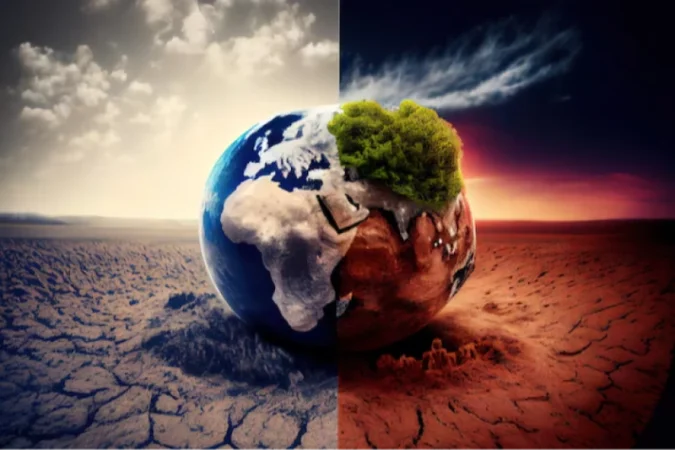
Global warming is causing irreversible damage to mountain glaciers, and even if humanity manages to reduce the planet's temperature, their recovery will take hundreds of years. This conclusion was reached by scientists from the University of Bristol (UK) and the University of Innsbruck (Austria). Their research, published in the journal Nature Climate Change, shows that glaciers cannot quickly return to their former state due to the effects of global overheating.
The scientists modeled a scenario in which global temperatures rise by 3°C by 2150 and then gradually decrease to a relatively safe level of 1.5°C by 2300. This prediction takes into account the current pace of reduction in carbon dioxide emissions and the potential delayed implementation of carbon capture technologies. The results showed that in a “superheated” scenario, glaciers would lose up to 16% of their mass by 2200 and up to 11% by 2500, compared to a world where warming does not exceed 1.5°C.
These losses are irreversible; even in the event of global cooling, glaciers will not recover over several generations. “People often ask if we cool the Earth, will glaciers grow? Our research proves that this will not happen in the coming centuries,” said one of the study's authors, Dr. Fabian Mossion.
The reduction in glacier mass threatens millions of people who depend on meltwater for drinking, irrigation, and hydroelectric power, especially in arid regions. Additionally, glacier melt contributes to rising sea levels, increasing risks for coastal areas. The scientists emphasize that the longer humanity delays measures to reduce emissions, the more devastating and long-term the consequences will be.
It is important to note that glaciers melting due to temporary overheating will not recover even if temperatures decrease, as carbon emissions create a greenhouse effect that can last for millennia. Relying on carbon capture or planetary cooling technologies will not be justified if actions are not taken immediately.
Նմանատիպ հոդվածներ

Ավելին Society բաժնից
Հայաստանի մասին նոր զեկույց․ ուշագրավ մանրամասներ
Մայր Աթոռ Սուրբ Էջմիածինը հայտարարություն է տարածել
Հորդառատ անձրևները կվերսկսվեն. հնարավոր է նաև կարկուտ, քամու ուժգնացում