Melting Glaciers Will Have Irreversible Consequences for the Planet
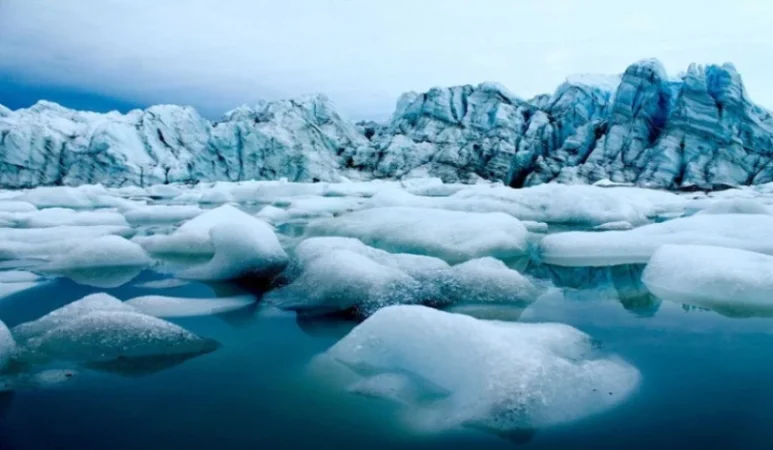
A group of international scientists from Australia, the United Kingdom, New Zealand, and other countries is sounding the alarm: the rapid melting of glaciers threatens ecosystems worldwide. According to a study published in Nature Reviews Biodiversity (NRBD) on May 13, 2025, the planet is set to lose one-third of its glacier mass by 2050, leading to irreversible consequences for biodiversity, freshwater resources, and climate.
Based on the analysis of 160 scientific papers, the researchers have revealed the scale of the crisis and its cascading effects. We discuss why glaciers are so vital, what we are losing, and how this will impact life on Earth.
The researchers plan to:
- Refine predictions using new data from NASA (GRACE-FO) and ESA (CryoSat-2) missions that measure ice mass;
- Investigate the impact of melting on deep-sea ecosystems, where changes in salinity are already notable;
- Develop technologies for artificial glacier refrigeration, although the scalability of such measures is in question;
By 2030, scientists expect the first reports on the implementation of the Paris Agreement, which will show whether it is possible to mitigate the crisis.
The melting of glaciers, which is expected to erase one-third of their mass by 2050, is not only a loss of ice but also the destruction of ecosystems, water resources, and climate stability. The research published in Nature Reviews Biodiversity emphasizes that without immediate action, the planet will lose unique species and face water and migration crises. Glaciers are a mirror of the Earth’s health, and their disappearance is a wake-up call for action.
Նմանատիպ հոդվածներ

Ավելին Society բաժնից

Օգոստոսի 4-ից մեկնարկում է ավագ դպրոցների ընդունելության առցանց հայտագրման հիմնական փուլը

Ջարեդ Լետոն հերքել է իր դեմ հնչած սեռական բռնության մեղադրանքները

Wildberries-ի վաճառողների վնասը կարող է հասնել 215-280 միլիարդ ռուբլու. Forbes