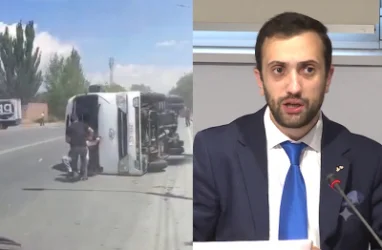
Genocide Cannot Be Presented as a "Barrier to Peace" Says Sargsyan

Former President of Armenia Serzh Sargsyan addressed the commemoration of the victims of the Armenian Genocide with a powerful message:
“The voice of justice cannot be silenced by anyone. The one and a half million victims of the Armenian Genocide, orchestrated and executed by the Ottoman Empire in the early 20th century, were subjected to torture and murder in the conditions of indifference and silence solely because they were Armenian. They can no longer demand justice for that monstrous crime committed against them, nor can they testify to the hellish path and torment that they endured in their homeland 110 years ago. They cannot, but we, dignified Armenians, alongside civilized humanity, are obliged to become their voice and resonate louder and louder. No crime should go unpunished. No nation should bear the heavy burden of unfulfilled justice.
More than a century later, genocides continue against humanity, showing where criminal silence and indifference can lead. We have no right to remain silent, let alone forget, and those who forget or cast doubt on the genocide become complicit in that crime.
I bow before the memory of the victims of the Armenian Genocide and gratefully remember our martyrs and surviving heroes who fought for human dignity and life.
Turkey's state policy today is based on denial, distortion of historical facts, and propaganda against the truth. In contrast, a brave confrontation with the truth and protection of justice could position Turkey as a civilized and responsible state, committed to confronting its dark historical chapters for the sake of peace, reconciliation, and stability. This would close a cruel chapter not through forgetting, but through justice.
The Turkish government must understand that justice cannot disappear in the shadow of historical monuments because it is too eloquent, and if it looks around, it will see that the truth lives in the testimonies of hundreds of thousands of genocide survivors and their descendants, in the manuscripts of foreign diplomats, in the Armenian architectural structures of the formerly Armenian-inhabited cities and villages of Western Armenia, in the inscriptions on the stones of abandoned and destroyed churches, and in the courageous words of certain intellectuals in Turkey...
In September 2023, with the overt support of Turkey, more than 140,000 Armenians from Artsakh, subjected to ethnic cleansing and forcibly displaced from their homeland, faced a continuation of the genocide that was committed a century ago and remains uncondemned. Following the example of the Ottoman Empire, Azerbaijan is systematically erasing the Armenian trace in Artsakh today—the spiritual and cultural heritage of millennia, distorting history.
Many of us remember the collective power, organization, and pan-Armenian unity that existed just a decade ago—in 2015—when we marked the 100th anniversary of the Armenian Genocide. During those days, Armenia became a platform for voicing demands for historical justice, for the dignified commemoration of the victims of the genocide alongside civilized humanity, and for fighting against genocides globally. It was not merely a ceremony to commemorate the centennial; it was a clearly articulated agenda that was enshrined in a pan-Armenian declaration. That declaration, as an expression of national unity, must remain on the agenda of the Republic of Armenia until historical justice is restored.
The governing authorities of Armenia must not forget that the lives of more than a million people, interrupted around this time 110 years ago, can never become a commodity for bargaining, and the undeniable reality of genocide cannot be presented as a "barrier to peace." Any approach contrary to this can only be classified as political demoralization and betrayal of the nation.
Self-serving interests cannot supersede pan-Armenian will and honor. Authorities that disregard national interests and jeopardize the existence of the state must be dismissed, as the shortest path to the loss of statehood passes through the renunciation of one’s rights and dignity, the refusal to fight for justice, and the erasure of historical memory. Therefore, remembering is our duty, demanding is our right, and fighting is our necessity.”
Նմանատիպ հոդվածներ
Ավելին Politics բաժնից
Ռուբեն Ռուբինյանն անդրադարձել է ընդդիմադիրների բացակայությանը
ՀՀ-ում ԱՄՆ դեսպանատունը հայտարարություն է տարածել
Ինչու է Բաքուն կարևորում «Զանգեզուրի միջանցքի» գործարկումը. Ջաբարովի հայտարարությունը