Soviet-Era Code to Be Replaced by New Legislation
The Soviet-era code inherited from previous times will be replaced by a new, modern legislation. This project has been discussed with interested parties in the electoral sector, as announced by the Ministry of Justice of the Republic of Armenia.
Tigran Dadunts, the director of the Legislative Development Center foundation, opened the public discussion on the draft of the new Code on Administrative Offenses, dedicated to violations related to the electoral field and party activities. Jerome Leiron, director of the Armenia branch of the International Foundation for Electoral Systems (IFES), also spoke at the event.
Dadunts emphasized the importance of discussions around the draft of the code and noted that the long-anticipated legislative document is expected to be presented to the Government for consideration soon, expressing hope that it will soon replace the 1985 code inherited from Soviet times.
Transitioning to the main topics of the agenda, Tamara Shakaryan, head of the law department at the Academy of State Administration, presented the background, main ideas, and conceptual directions of the code's development, highlighting the key reforms included in the package:
- Establishing provisions related to the responsibility of both physical and legal persons;
- Defining unified rules and conditions for the proceedings of administrative offenses;
- Introducing necessary legal institutions that ensure the smooth conduct of proceedings concerning administrative violations and guarantee individuals' rights;
- Reviewing sectoral legislative acts to eliminate unnecessary repetitions and contradictions.
Tigran Dadunts and legal expert Marietta Mnatsakanian presented administrative violations related to electoral processes, party financing, and the misuse of public resources to the participants of the discussion.
Afterward, the participants raised their questions, concerns, and suggestions, leading to an active discussion and outlining directions for further reform of the package. At the conclusion of the meeting, participants agreed to continue discussions on legislative reforms.
The discussion was organized through the joint efforts of the United States Agency for International Development (USAID), the International Foundation for Electoral Systems (IFES), and the Ministry of Justice’s Legislative Development Center foundation. Participants included representatives from the Central Electoral Commission, the Anti-Corruption Committee, the Investigative Committee, and other interested state bodies and civil society organizations, as stated in the Ministry's announcement.
Նմանատիպ հոդվածներ
Ավելին Politics բաժնից

Մեծ Բրիտանիան մշակում է նոր անկախ հեռահար սպառազինություն
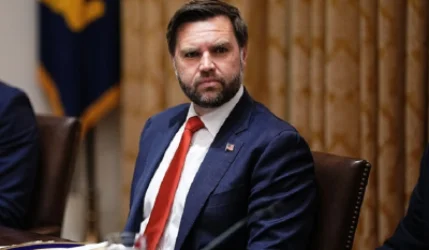
ԱՄՆ-ի և Իրանի բանակցությունների նոր փուլի հնարավոր ժամկետները
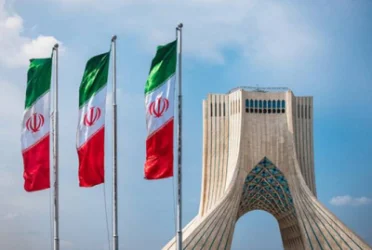
Իրանական պատվիրակությունը կմեկնի Շվեյցարիա՝ պահանջելով հուշագրի կատարումը