Greek Public Television Discusses Armenian-Azerbaijani Relations
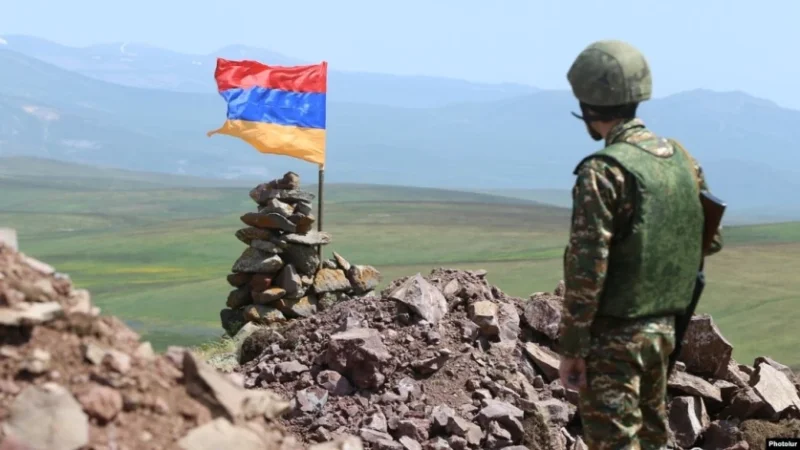
The political-analytical program "Borders" of the Greek Public ERT television has addressed the developments in the South Caucasus, where, as noted, nearly ten months ago, the most tragic and bloody chapter in the history of Nagorno-Karabakh was written.
According to "Armenpress," the program features an interview with Tigran Mkrtchyan, Armenia's extraordinary and plenipotentiary ambassador in Greece, who presents approaches to the normalization of relations between Armenia and Azerbaijan and the future of the long-standing conflict.
"The situation in the broader Southeast European region is unstable. The overall instability creates a basis for new upheavals in the region. We will slightly broaden our focus by looking at developments in the South Caucasus, since nearly 10 months ago, the most tragic and bloody chapter in the history of Nagorno-Karabakh was written. The one-day major assault by Azerbaijan in September 2023 against the autonomous Nagorno-Karabakh region, predominantly populated by Armenians, was enough to bring the more than three-decade-long conflict between Baku and Yerevan to a dramatic end, at least temporally. The defense army of Artsakh, as the Armed Forces of Nagorno-Karabakh are called, was forced to dissolve, and hundreds of thousands of civilians of Armenian descent were forcibly displaced. This is one of the most tragic stories of displacement in the 21st century," stated the authors of the program.
They discussed the topic with Armenia’s ambassador in Greece, Tigran Mkrtchyan.
"This is one of the most tragic episodes in modern history, where 100,000 to 120,000 people have been subjected to ethnic cleansing. Armenians have lived in this region, in Nagorno-Karabakh, for thousands of years. It has been a part of our homeland. And in just a few days, the whole region was cleansed of Armenians. I hope that in the future Armenians will be able to return to their homeland. At this moment, it may seem unrealistic, but the faith in the restoration of justice is the driving force of our lives," said Ambassador Mkrtchyan.
Regarding the borders, the Armenian ambassador in Greece, Tigran Mkrtchyan, reacted positively to the ongoing peaceful negotiations between Armenia and Azerbaijan in Washington, yet he did not hide his concerns.
"Armenia is ready to sign an agreement with Azerbaijan on mutual recognition of peaceful coexistence and borders and territorial integrity. The problem is that Azerbaijan constantly creates artificial issues and conducts situational diplomacy, based on the use of force to achieve its goals," said the diplomat.
The program's authors noted that Baku, among other things, demands a revision of Armenia's Constitution to remove references to the Declaration of Independence, which is interpreted, as the Armenian ambassador states, as a hint of territorial claims against it /Baku/. It also demands Yerevan to accept the deployment of forces, serving as security guarantees in the corridor that will ensure the transport of Azerbaijanis to the Azerbaijani-controlled Nakhchivan Autonomous Republic, a territory that has no common border with Azerbaijan and is located between Armenia, Iran, and Turkey.
The program's authors suggest that while a peace treaty between the two sides seems distant from being signed, Armenia, given the overall geopolitical situation, is closer than ever to the European Union. "Regarding the European Union, I can say that relations with Armenia are currently at the highest level. Intensive political dialogue is ongoing with the EU, and the Armenian government is doing everything to deepen this cooperation. There is mutual willingness from the European side, and we see that from a civilizational perspective, Armenia is a European country. Certainly, in terms of its values, human rights, freedom of speech, and all democratic attributes, Armenia is ahead of many countries surrounding us. Therefore, the development of a European trajectory for the country is inevitable," stated Ambassador Mkrtchyan.
However, the program's authors observed that, nevertheless, dark clouds continue to gather in the unstable South Caucasus region, and according to analysts’ assessments, the Azerbaijani army, significantly stronger than Armenia's, continues to develop scenarios for war to ensure unobstructed access to Nakhchivan for Azerbaijan—a scenario that could lead to the fragmentation of Armenia and a new mass wave of refugees.
Նմանատիպ հոդվածներ
Ավելին Military բաժնից

Իրանական լրատվամիջոցները սպառնում են արևմտյան քաղաքական գործիչների սպանությամբ
Ռուս-ուկրաինական հակամարտությունում բեկման մասին խոսելը վաղաժամ է
Բահրեյնում և ԱՄԷ-ում գործարկվել են պաշտպանական համակարգերը