New Amendment Contradicting All Laws in Armenia's History
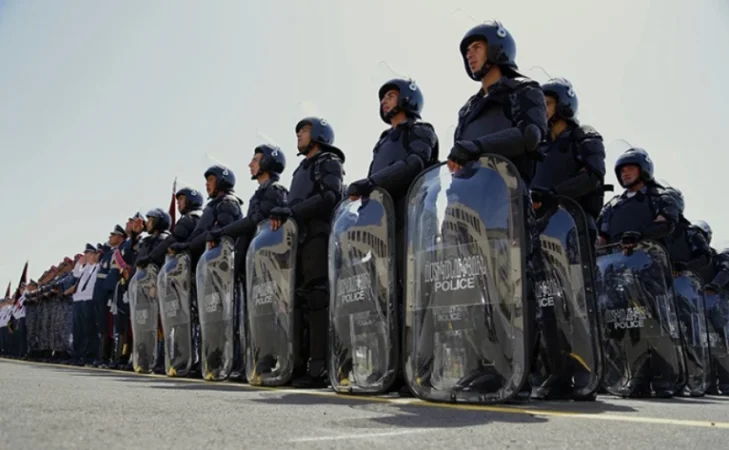
The newspaper "Zhoghovourd" reports that the Government of the Republic of Armenia has authored a package of legislative drafts on "The Police Guard" and related laws, which, according to the projects posted on the unified website for the publication of legal acts, is "purely aimed at creating a police service with new armaments and trained personnel that comply with international standards, which will be responsible for ensuring public order and public safety, protecting state buildings and vital facilities, escorting delegations as provided by state protocol, as well as ensuring military and emergency legal regimes, among other functions." It may seem like a progressive draft, but it addresses a serious concern hidden within.
To elaborate, the police guard is a structural unit of the police designated to protect the rights and freedoms of individuals, as well as to ensure the safety of society and the state. However, there is another provision that contradicts all laws in Armenia's history. Specifically, the part that defines the amendments to the 9th article of the law on "Legal Regime of Martial Law" states in its second part: "The intended functions must be carried out by the police bodies in areas not including the deployment of armed forces and (or) conducting military operations."
This implies that henceforth, during martial law and war, the internal troops of the RA will no longer be tasked with the protection of the state border. Their defensive functions will not encompass the borders of the Republic of Armenia. In other words, police officers, particularly the guard, will not go to the border even during times of war. This means that the service provided by the Ministry of Internal Affairs' troops during the 44-day war, which was in favor of defending the homeland, will no longer exist; they will serve solely in the interest of the protection of state authorities.
Additionally, it should be noted that the overall supervision of the police guard is carried out by the police chief, while direct leadership is managed by the commander of the police guard. Changing the aforementioned law not only hints at keeping power in the hands of the authorities by force but also appears to plan to accumulate certain financial resources from the said law to benefit the state.
Included in the law is a clause that states the police guard is authorized to protect buildings and structures of state bodies and organizations and objects of significant importance, as well as to ensure the safety of transporting special loads, as determined by the government of the RA. Alongside this, point 2 of article 9 outlines that the police guard is also entitled to exercise its powers under contract if the respective building, structure, other object, vehicle, or load belongs to private individuals. Thus, it turns out that the police guard will also provide contractual services to avoid creating the impression that the guard has been established for the protection of government security. They will operate "on request" or "according to the agreement."
Notably, the draft on "The Police Guard" was presented yesterday in the National Assembly by Deputy Minister of Internal Affairs Arpine Sargsyan, however, due to the Q&A session in the Assembly, the voting and discussion of the issue will continue in today's session.
Նմանատիպ հոդվածներ
Iran's Acting Foreign Minister Introduces Remarkable New Emphasis in Official Stances

How Many Stun Grenades Were Used Today: Analysis

Abraham Gasparyan is in the Kanaker-Zeytun Department: If He Comes Out, He Will Be Transferred to the Hospital, Arpi Harutyunyan

Photos: The Condition of Citizens Injured by Flashbangs
Ավելին Politics բաժնից

Թրամփը Իրանի նկատմամբ «եռակի հաղթանակ» է տարել. ԱՄՆ նախարար
Իրանը ձեռնարկել է աննախադեպ անվտանգության քայլեր

ՏԵՍԱՆՅՈՒԹ. Ղարաբաղն ու Ուկրաինան փոխել են պատերազմի կանոնները․ Հունաստանի ՊՆ