Will the Bishop Renounce Canadian Citizenship? He Comments on His Possibility of Becoming Prime Minister
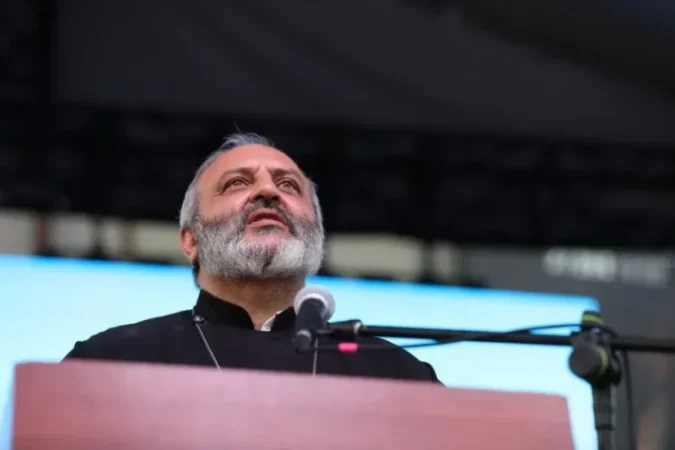
Canadian citizenship is merely a document, a pass, and proof that I have lived in that country, and I am grateful for having lived there. This was stated today by Bishop Bagrat of the Tavush Diocese during a meeting at the Journalists' Union, in response to a question about whether he aspires to the position of Prime Minister and whether he would renounce Canadian citizenship, which is a barrier to becoming Prime Minister.
“This passport was given to me through all the required legal channels. Nothing is given like it is in our country as ‘brotherly’. At any moment, whatever is needed for my own country—Armenia, Artsakh, which became distant due to the hands of evil; anything that is necessary and will serve that purpose, I am not only ready to renounce but also to dedicate myself, which I am doing today in the streets. If I need to renounce, I will; if I do not need to, I will not. Our path is a straight course. What is needed will also be done,” he said.
The Bishop noted that the current Prime Minister of Armenia does not possess higher education and has become Prime Minister without a higher education certificate. “If it is not required, I do not know the law, but our village heads have been dismissed from their posts solely for not having that certificate. People are not accepted for jobs in the marzpetaran (regional administration) simply for not having a higher education diploma. How has this happened in our country?”
Therefore, in such a critically difficult situation and in a state of required radical changes, if it is the will of the Lord that everything goes the way He wants, so it will be. It seems to me that the current acting Prime Minister has violated the law and has become the Prime Minister of Armenia without possessing a higher education certificate. Is this a violation of the Constitution or not? I ask legal experts to clarify this and present it,” he added, noting that it is not the person who is for the law, but the law that is for the person.
Նմանատիպ հոդվածներ
Yerevan Has Requested the Russian Side: A Decision Has Been Made, Bortnikov
Two Residential Houses from Kiran in Azerbaijan, 25 Houses from Azerbaijani Villages in Armenia. Radar Armenia
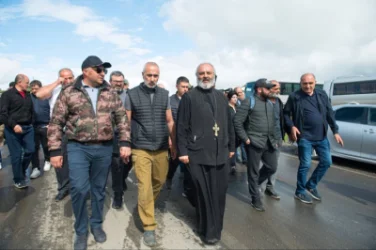
Police Infiltrate School as Principal is Dismissed for Supporting the Bishop, MediaHub Reports
Four Political Forces Formed a United Platform of Democratic Forces, Issuing a Statement
Ավելին Politics բաժնից
Վահագն Խաչատուրյանը հանդես է եկել հայտարարությամբ
Նիկոլ Փաշինյանը գրառում է արել. նա չի մեկնի Մոսկվա
Թրամփը սպառնում է ռմբակոծել Իրանը. Ղալիբաֆը՝ ԱՄՆ-ից սպասվող հարձակումների մասին