Baku Erases the Memory of Shushi's Liberation and the Victory in the Great Patriotic War
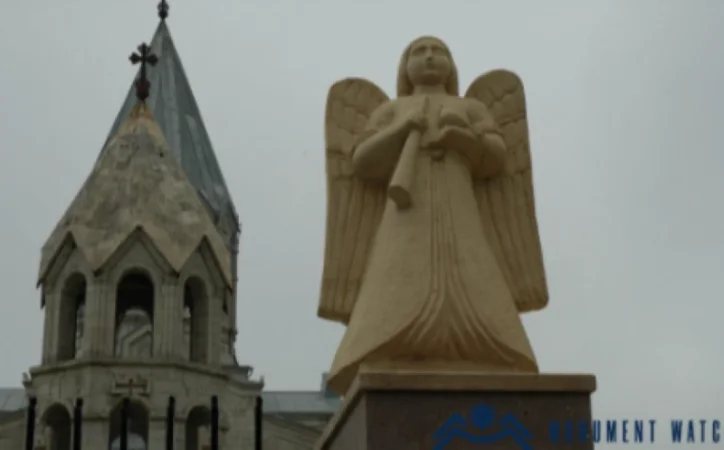
Monument Watch is raising an alarm: the destruction of monuments from the period of Artsakh's independence, memorial complexes symbolizing victory, khachkars, and memorials dedicated to heroes has a distinct place in Azerbaijan's anti-Armenian policy. This policy intensified after the 2020 war, during which numerous monuments have already been destroyed.
This mechanism of heritage destruction is actively applied, particularly to erase the victorious memory of Shushi's liberation, demoralize the Armenian people, and subject them to psychological trauma. Shushi was liberated in the early morning of May 8, 1992. Besides its military significance, the victory was meant to instill a sense of patriotism in future generations, achievable through cultural heritage.
The cultural landscape of Artsakh was rich with monuments commemorating and glorifying the liberation of Shushi. Among them was the tank monument, the first vehicle to enter the liberated fortress city on May 8, 1992. The tank was a symbol of Artsakh's liberation struggle, a testament to victory, and a memorial for the heroes who fell in the fight for Shushi's liberation. It was also a place of reverence for many, a place to remember and immortalize the heroes' deeds.
However, in September 2023, it became clear that Azerbaijan had disassembled and subsequently destroyed the tank placed on the road from Stepanakert to Shushi, endangering the opportunity to pass down the memory of victory to future generations.
After the liberation of Shushi, the first place the victorious Armenian army soldiers went to was the Holy Savior Ghazanchetsots Church in Shushi, where a Divine Liturgy was held. In this sense, Ghazanchetsots was a crucial symbol of the victorious conclusion of Shushi's liberation, as many aspired to raise the victorious flag atop Ghazanchetsots. It was not coincidental that on October 8, 2020, the first strike by Azerbaijan targeted the church, which was hit twice in gross violations of the Hague and Geneva Conventions and international humanitarian laws, causing significant damage to the church's dome and both external and internal sections.
By the end of the war, Azerbaijan embarked on the distortion of the integrity and authenticity principles of the church and began the processes of illegal restorations to transform the church. The torment of the church continues to this day, leading to the destruction of a cross-shaped window on one of the façades and a relief above it. The relief, located on the western façade of the church, depicted the theme of “The Christ of the Crusaders” along with the corresponding inscription.
During the years of independence, one of the ceremonial events for the celebration of Shushi's liberation was the march organized on the morning of May 9. It started from Stepanakert’s “Rebirth” square and moved towards the brotherly cemetery, then towards the legendary tank monument and finally to the memorial of Marshal Vazgen Sargsyan.
Four years after the 2020 war, we now face a reality where the entire route of the procession commemorating Shushi's liberation and the victory of the Great Patriotic War has been systematically destroyed by Azerbaijan.
For instance, with the direct participation of Ilham Aliyev, in March 2024, the “Rebirth” square in Stepanakert was renamed “Victory” square in Khankendi, undermining the Armenian identity and cultural rights of future generations in the city. The renaming of the city is evidence of Azerbaijan's anti-Armenian policy and the “Azerbaijanization” of the identity and history of Stepanakert. Moreover, immediately after the war, the monument to Armenian hero Vazgen Sargsyan located in the park named after him was desecrated and destroyed.
Recently, the memorial of Ashot Ghulyan, a hero of Artsakh who played a significant role in the liberation struggle of Shushi, was also destroyed. The cross that commemorated Slavic Sargsyan, who participated in the Artsakh Liberation War, was demolished, located in the village of Arakel in Hadrut. The memorial dedicated to Tevan Stepanyan, also a participant in the Artsakh Liberation struggle, located in the village of Tumi in Hadrut, has also been targeted by Azerbaijani vandalism.
Azerbaijan is also obliterating the memory of another significant victory on May 9, the victory in the Great Patriotic War. Following this policy, Azerbaijan is destroying memorial complexes dedicated to the Great Patriotic War and the Artsakh Liberation War, which are often located within a united cultural landscape. The memorial to the Great Patriotic War and the Artsakh Liberation War located in Shushi was destroyed, and the memorial complex in Hadrut, where an Azerbaijani soldier was shot dead, was also obliterated.
It is crucial to note that by destroying these monuments, the significance and realization of the May 9 holiday are also neutralized. The efforts of the Artsakh Armenian community to keep the holiday alive have become a significant challenge without the tangible heritage symbolizing it. The destruction of these values of unique cultural heritage once again indicates the systematic and state-sanctioned nature of Azerbaijan's anti-Armenian policy, which, alongside forced displacement and war crimes, can be considered a serious crime against humanity.
Նմանատիպ հոդվածներ


Ավելին Politics բաժնից

Նեթանյահուն բացահայատել է իր և Թրամփի իրական նպատակները

ԿԸՀ-ն` ուժը կորցրած է ճանաչել պատգամավորի երկու թեկնածուի գրանցումը

Ովքեր ունեն Էլեկտրոնային եղանակով քվեարկության իրավունք․ մանրամասներ