Nikol Pashinyan Sends a Message on the 109th Anniversary of the Armenian Genocide
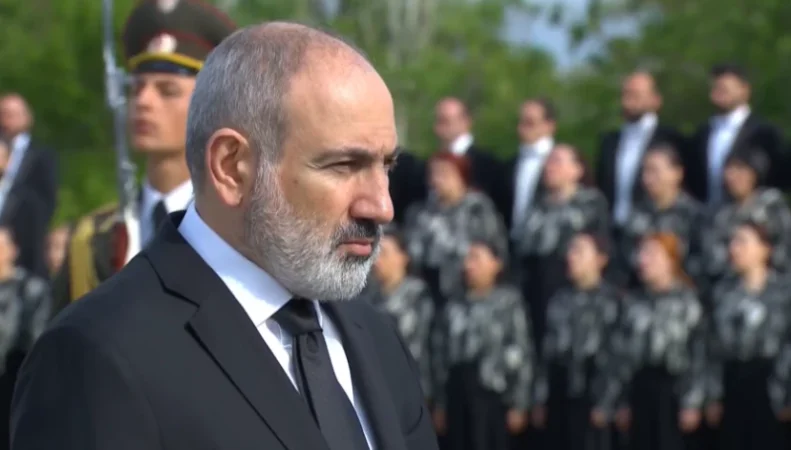
Prime Minister Nikol Pashinyan has issued a message in connection with the 109th anniversary of the Armenian Genocide.
“Today we commemorate the memory of the 1.5 million victims of the Armenian Genocide, who were massacred in the Ottoman Empire for being Armenian since 1915. This massive tragedy took place during the years of World War I, and the Armenian people, who did not have statehood, had lost their sovereignty centuries ago and, in essence, forgot the tradition of statehood, became victims of geopolitical intrigues and false promises, primarily lacking the political capacity to comprehend the world and the rules operating within it. The Great Catastrophe became a national tragedy and a psychological shock for us, and without exaggeration, it is a determining factor of our socio-psychology. Even today, we perceive the world, our environment, and ourselves under the dominant impact of the shock of the Great Catastrophe and have not overcome that shock.
This means that being an internationally recognized state, we often interact and compete with other countries and the international community in a state of shock, and for this reason, we sometimes cannot properly differentiate between realities and factors, historical developments and foreseeable horizons. Perhaps this is also the reason why we experience renewed shocks, living the trauma of the Armenian Genocide as a legacy and a tradition. In this sense, I find it extremely important to address the internal perception of the Great Catastrophe. When we talk about the Armenian Genocide, we constantly refer to the outside world, engage in conversation with it, but our internal dialogue on this topic has yet to materialize.
What should we do and what should we refrain from doing to overcome the trauma of genocide and exclude it as a threat? These are questions that should be central to our political, scholarly, artistic, and philosophical discourse, but such a perspective in relation to the fact of the Great Catastrophe is not widespread among us. This is imperative, an urgent imperative, and we must evaluate the relationship between the Great Catastrophe and the First Republic of Armenia. We need to relate the perception of the Great Catastrophe to the vital interests of the Republic of Armenia and our national statehood.
The Great Catastrophe, the loss of our homeland is not a sentence for us to bear as a continuous quest for a lost homeland. We must cease searching for our homeland, for we have found that homeland, our Promised Land, where milk and honey flow. The commemoration of the martyrs of the Great Catastrophe should symbolize for us not a lost but a found and real homeland represented by the Republic of Armenia, whose competitive, legitimate, thoughtful, and creative policies can prevent a recurrence. Never again. We must not say this to others, but to ourselves. And this is by no means an accusation against ourselves but a perspective in which we, only we, are responsible and directors of our destiny and must possess enough thought, will, depth, and knowledge to bear that responsibility within the realm of our sovereign decisions and perceptions.
May all the martyrs of the Great Catastrophe and all our other fallen rest in peace, comforted by the Republic of Armenia. Long live the Republic of Armenia,” the message states.
Նմանատիպ հոդվածներ
Demand for Criminal Responsibility of Pashinyan Submitted to the Prosecutor General's Office
Azerbaijan Agrees to Host Meeting Between Armenian and Azerbaijani Foreign Ministers in Kazakhstan: Aliyev
Armenia Receives Azerbaijani Proposals on Peace Agreement Draft, Says Foreign Ministry
Armenia's Foreign Ministry on Possible Meeting of Foreign Ministers of Armenia and Azerbaijan in Kazakhstan
Ավելին Politics բաժնից
Ռուսաստանի սուր հայտարարությունը` Փաշինյանի վերընտրվելու հետ կապված
Վարչապետի աշխատակազմի ծրագրերի գծով ծախսերն աճել են
Գագիկ Ծառուկյանի փեսուն զրկել են տնից և տնային կալանք տվել. «Հրապարակ»