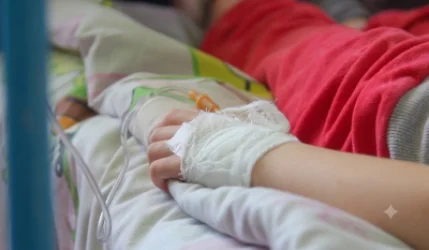
There Are Situations When the State Must Intervene and Remove a Child from the Family: Pashinyan
The government has approved a decision regarding the procedure for directing relevant bodies to provide protection or support for a child who has been subjected to violence, as well as defining the forms of assistance provided to such children and the procedures for delivering that assistance.
“Under the current procedures, interventions are organized as necessary, directing children to institutions providing care or upbringing, or specific information is transferred regarding these cases. However, this is not done universally, systematically, or regularly, and the effectiveness of this process is often dependent on the personal qualities of law enforcement personnel or social workers and their diligence. With this project, we are essentially proposing that every case be examined thoroughly, systematically, comprehensively, through groups composed of specific specialists, thus enabling clearer measures to be recommended,” said ASH Minister Narek Mkrtchyan.
He noted that the following bodies will have a clear involvement in the protection of children subjected to violence: the police of the Ministry of Internal Affairs (MIA), which is the primary responsible body for discovering and safeguarding children who have been subjected to violence; The ASH Ministry; the Unified Social Service; guardianship and trusteeship bodies that play a vital role in the protection of the rights and interests of children in difficult situations, the detection of cases, and the placement process in child care institutions; the Ministry of Health; and institutions providing medical assistance and care, which may be involved as necessary depending on the case.
The Ministry of Education, Science, Culture and Sports, as well as sports and educational institutions will also be involved to ensure the unhindered socialization of the child, to prevent re-victimization, to restore the child's right to education, and to overcome difficulties. Additionally, the offices of the governor and the municipality of Yerevan, as well as NGOs, will be included in this process.
According to the minister, the principles of cooperation are also established in this bill. “As a result of the proposed changes, the picture will be as follows: when a call is received about a child subjected to violence or when such a child is discovered through any means, the guardianship and trusteeship bodies, based on their assessment, must ensure the child's immediate placement in an assistance center. If the assessment indicates there is no need to place the child in a care institution, an individualized social program will be developed on-site, which includes necessary work with both the child and the family to ensure the child's re-socialization, or to choose a form of subsequent care organization. Support is provided based on the child's individual situation. Accordingly, there may be a need to provide the child with rehabilitative assistance, daytime institutional services, care organization in a family support center, legal assistance, educational restructuring, medical aid, and socio-psychological support. As a result of adopting this project, the work done with children subjected to violence will be more systematized,” Mkrtchyan added.
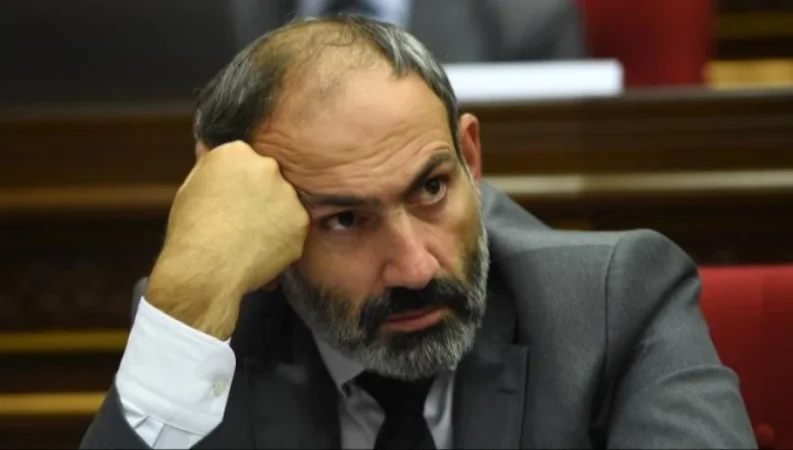
Prime Minister Nikol Pashinyan emphasized, “Our policy is to do everything possible in difficult situations involving children to ensure that the child remains and continues to stay in the family. This is our primary policy in all matters. But there is a nuance that I want to draw our attention to: the child does not belong to anyone. This is a very important statement, and I believe we should speak openly about this. Yes, there are situations where the state and the government must intervene, remove the child from their family, and the state must take responsibility for the child's upbringing. The standard must be clear: what is the line after which the government must intervene and protect the child in the best interests of that child from the family in which they currently reside?”
Նմանատիպ հոդվածներ

Ավելին Society բաժնից

«Ոչնչացված» դեղերը կարող են վերադառնալ վաճառք․ ԱԺ-ում նախաձեռնել են խիստ վերահսկողություն
Երևանում ձերբակալված մաթեմատիկոս և բլոգեր Միխայիլ Վերբիցկին ազատ է արձակվել
Վանաձորում երեխան ընկել է Փամբակ գետը. ընթանում են որոնումներ