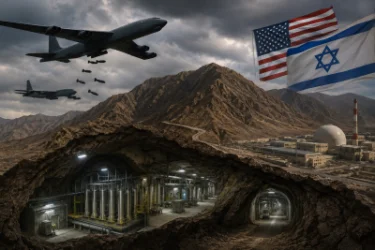
Such Escalation Increases the Risk of Nuclear Conflict: ICAN Warns
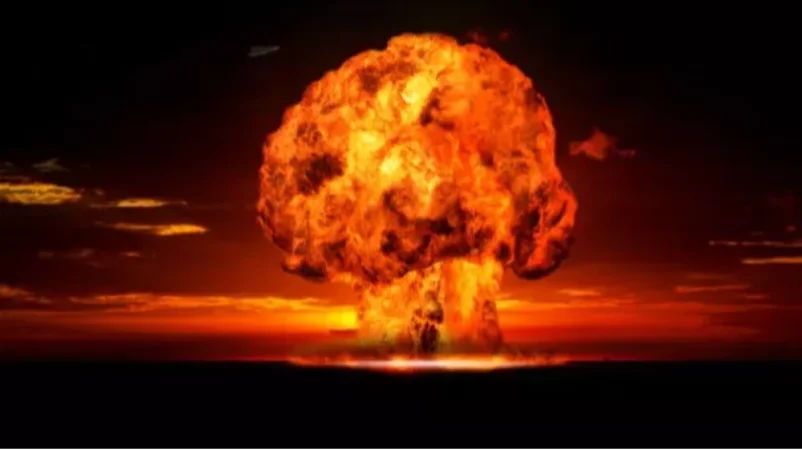
The conflict in Ukraine could intentionally or accidentally escalate into a nuclear war, as dangerous behavior is on the rise. Alicia Sanders-Zakre, policy and research coordinator at the International Campaign to Abolish Nuclear Weapons (ICAN), stated this in an interview with RIA Novosti.
In January, Russia's permanent representative to the United Nations, Gennady Gatilov, announced that the greatest nuclear risk at present is associated with the escalation strategies of the U.S. and NATO in the Ukrainian crisis, which could provoke direct military confrontation between nuclear powers.
According to Sanders-Zakre, there has been an increase in rhetoric and dangerous behavior related to nuclear escalation over the past two years, which has been widely condemned by the international community. “Such escalation increases the risk of accidental or deliberate nuclear conflict. All nuclear-armed states and their allies must exercise caution in their short-term rhetoric and actions and eliminate their nuclear arsenals, which is the only reliable means of preventing nuclear escalation,” she stated.
Sanders-Zakre added that the risk of nuclear weapon use is especially high today, considering that all nuclear-armed states are developing new, more dangerous nuclear weapons, and several of these states are involved in active conflicts. “The only guaranteed way to permanently halt nuclear escalation and prevent nuclear war is the abolition of nuclear weapons. The Treaty on the Prohibition of Nuclear Weapons (TPNW) is the only multilateral instrument that provides a verifiable pathway to nuclear disarmament. Nearly half of all UN member states have signed it; all countries must join this treaty to achieve nuclear disarmament,” urged the ICAN expert.
The Treaty on the Prohibition of Nuclear Weapons was adopted in July 2017, with support from 122 countries. One country, the Netherlands, voted against it, while Singapore abstained. Many nations, including Russia and the U.S., did not participate in the conference. They have announced that there is no need to adopt a new document in the presence of the Treaty on the Non-Proliferation of Nuclear Weapons. Currently, 93 countries have signed the Treaty on the Prohibition of Nuclear Weapons, with 70 having ratified it. The treaty entered into force on January 22, 2021. In October 2018, Russia, the UK, China, the U.S., and France jointly announced their opposition to signing the treaty.
Նմանատիպ հոդվածներ
Ավելին Military բաժնից
Wildberries-ը մեկ շաբաթում կորցրել է լոգիստիկ հզորությունների 8%-ը
Ուկրաինան ՄԱԿ-ի ԱԽ հրատապ նիստ է պահանջում. Անդրեյ Սիբիգան
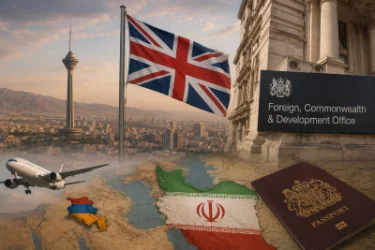
Մեծ Բրիտանիան իր քաղաքացիներին հորդորում է լքել Իրանը Հայաստանի միջոցով