This is a Serious Problem We Must Confront: Nikol Pashinyan
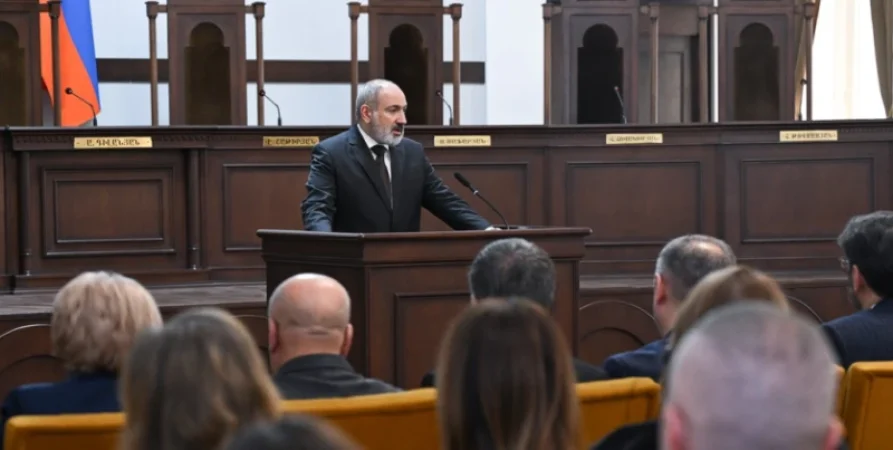
Armenian Prime Minister Nikol Pashinyan attended an event dedicated to the 28th anniversary of the Constitutional Court's establishment, alongside President Vahagn Khachaturyan, Minister of Justice Grigor Minasyan, and Prosecutor General Anna Vardapetyan, as well as other officials.
Pashinyan congratulated those present on the 28th anniversary of the Constitutional Court's establishment and emphasized that it is one of the state’s important institutions. “A fundamental prerequisite for the establishment of a state is the principle of the separation and division of powers, however, the Government is responsible for creating the conditions for the functioning of all branches of power,” he stated.
He expressed that the Government has demonstrated all necessary measures or at least sufficient changes required for the formation and functioning of the Constitutional Court and the independence of the judicial system as a whole. “Of course, these decisions have been made, and in my perception, the processes and reforms never truly end. There is no point where any government or state can declare that reforms have been completed.”
Pashinyan emphasized the political will of the Government and the parliamentary majority to do everything possible for the normal functioning of the Constitutional Court and the independent judicial system. “The Constitutional Court is, of course, an institution administering constitutional justice, but I would like to share a thought that I believe is relevant to our times and has been throughout the entire history of our republic. Justice is an institution, whereas fairness is a feeling,” he elaborated.
He continued, “In general, justice equates to laws, institutions that enforce those laws, and ensure equality before the law. Certainly, in the Republic of Armenia, the bodies serving justice operate fully, but I must also share my impression as the head of the Government, who engages with people on various occasions: Our justice institutions have not yet instilled a sense of justice in the citizens of the Republic of Armenia. This is a fascinating phenomenon.”
Pashinyan suggested that if a survey were conducted within state institutions regarding whether their activities align with the framework of justice, the answer would likely be positive from the institutions. However, the public's response would not be as affirmative. “What is the reason for this? I believe it stems from the fact that the perceptions of institutions and the public regarding justice do not coincide. This is a serious problem we must confront and address.”
He also pointed out, “We frequently discuss standards in our country on various occasions, but I believe we should also discuss the standard of justice, what it means in practical terms.” He questioned what should occur for the perceptions of justice held by state institutions and society to align. He believes that the platform where such conversations take place is around the debates concerning the Constitution, and ultimately, the decision-making process during a constitutional referendum.
“I have long thought about this issue, and I believe that the particularities of meetings that occur at this crossroads are what cause the perceptions of institutions and the public regarding justice and fairness to differ,” he added.
“This is where that conversation and consensus have not formed and I believe this is now clearly a crucial issue for the establishment of our state institutions and the state as a whole, which should be on our agenda. In this context, I would be grateful if the Constitutional Court, without violating the principles of separation of powers, could also create the opportunity for communication with the Government on this topic, as these are very important questions.”
Pashinyan concluded by reiterating his greetings to all on this occasion, emphasizing his deep respect for the institute of the Constitutional Court and expressing hope that a mechanism for harmonizing the institution of justice and the feeling of fairness can be established through interaction and dialogue among divided institutions as stipulated by the Constitution.
Նմանատիպ հոդվածներ
Russian Deputy Foreign Minister on the Railway from Azerbaijan through Syunik to Nakhchivan
Eftec Lab, Which Received $210,000 Support from the Budget, Ceases Operations: Hetq

Number of Communications Between Armenians Arrested in Azerbaijan and Their Relatives in 2023: ICRC
Kremlin Responds to Pashinyan's Statements on Possible Arrest of Putin
Ավելին Politics բաժնից
Արաղչին` ռուսական առաջարկի մասին
Փաշինյանը հանդես է գալիս պատերին ծեփելու, ասֆալտին փռելու սպառնալիքներով. Իվետա Տոնոյան
Ալիևը նորից սպառնում է «Զանգեզուրի միջանցքով»