Azerbaijan's Presidential Elections Occur Amid Lack of Free Media and Arrested Journalists: BBC
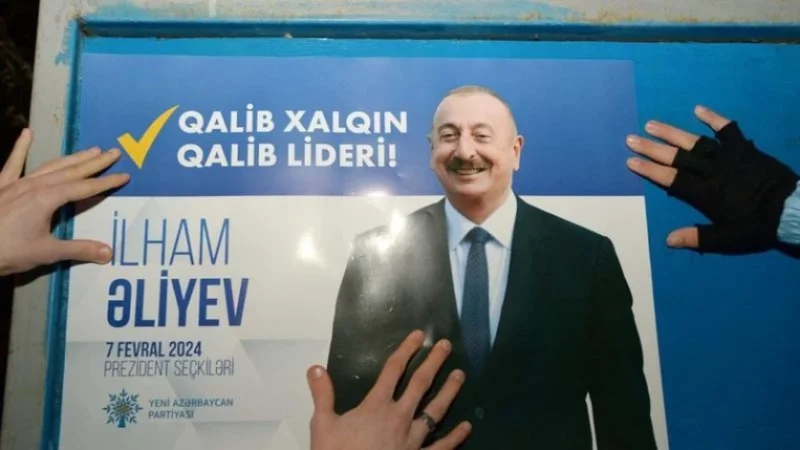
Azerbaijan's presidential snap elections are taking place at a time when there are no free media outlets, and journalists along with activists are being arrested. This was reported by BBC Persian.
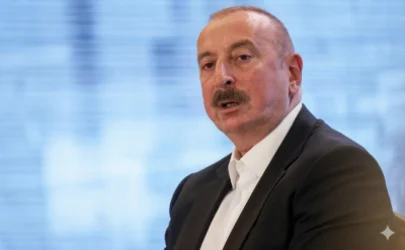
Ilham Aliyev, who is seeking re-election for a fifth term, is viewed by many as the most likely winner. His six opponents, primarily pro-government MPs, are considered fictitious candidates, while the country's main opposition parties have boycotted the elections. Media coverage of the elections is limited to official statements from the Central Election Commission regarding preparations for the voting day.
News about presidential candidates is disproportionately covered, while the actions of the current leader are constantly in the spotlight. Dissenting voices and opinions are absent from major media outlets as the government strictly controls the information landscape.
The organization “Reporters Without Borders” states, “Ilham Aliyev has destroyed the remnants of pluralism and since 2014 has ruthlessly sought to silence the remaining critics.” The voices of dissent are missing from mainstream media; critically-minded journalists are arrested and imprisoned, and the public often has to turn to foreign media to hear the perspectives of the president's opponents.
All television channels — from state-owned AzTV and social networks to private channels owned by Aliyev’s relatives or close associates — recount the government’s narratives. In recent years, all opposition and independent newspapers have either closed down or been forced to align with the government. The few remaining opposition media sites are also subjected to state censorship.
The article notes: “It is unclear whether the arrests of journalists are related to the upcoming elections, as this is occurring against a backdrop of tensions between Baku and Washington. These arrests have mainly involved those connected to Abzas Media and Channel 13, both of which are known for their investigative reports on corruption among state officials.”
Նմանատիպ հոդվածներ
Russian Deputy Foreign Minister on the Railway from Azerbaijan through Syunik to Nakhchivan
I Will Run as a Candidate for Prime Minister: Marutyan
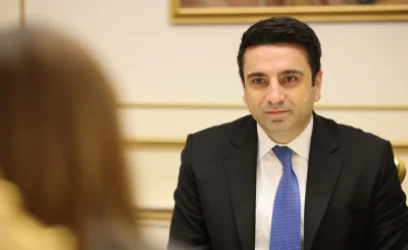
Possible Meeting of Armenian and Azerbaijani Speakers of Parliament Discussed by Alen Simonian's Office
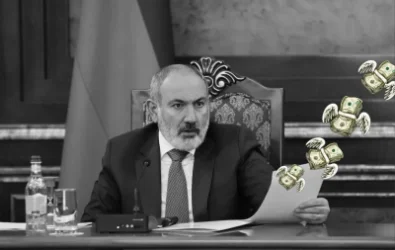
Eftec Lab, Which Received $210,000 Support from the Budget, Ceases Operations: Hetq
Ավելին Politics բաժնից
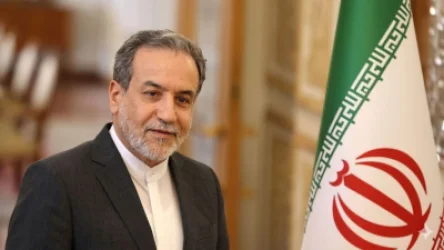
Արաղչին` ռուսական առաջարկի մասին
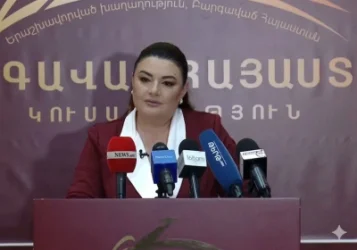
Փաշինյանը հանդես է գալիս պատերին ծեփելու, ասֆալտին փռելու սպառնալիքներով. Իվետա Տոնոյան
Ալիևը նորից սպառնում է «Զանգեզուրի միջանցքով»