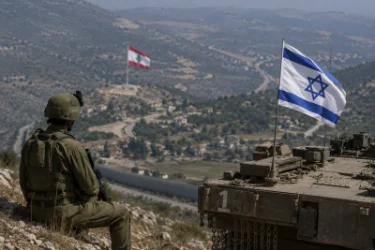
We Turned to CSTO, But We Expected More: Ararat Mirzoyan to DerStandard

During a working visit to Austria, Armenian Foreign Minister Ararat Mirzoyan gave an interview to the leading Austrian newspaper "DerStandard."
Question: Peace negotiations between Armenia and Azerbaijan took place again on Saturday in Brussels. What is the most important point for you in these negotiations?
Answer: Armenia and Azerbaijan cannot resolve their relations without considering the security and rights of the Armenian population in Nagorno-Karabakh. Azerbaijan has constantly talked about territorial claims from Armenia. However, for us, the issue is about the safety and fundamental rights of people.
Question: Recently, reports have circulated about the blockade of the Lachin corridor, which is a vital transport link to Nagorno-Karabakh. What is the current situation there?
Answer: The Lachin corridor is the only lifeline connecting Nagorno-Karabakh with Armenia and the rest of the world. It has been unlawfully blocked for seven months since November 2020, violating the ceasefire statement. Initially, the International Committee of the Red Cross and Russian peacekeeping forces were able to deliver at least some food and medicine to Nagorno-Karabakh. However, for the past month, the corridor has been completely blocked. Nothing gets through. Nagorno-Karabakh is essentially under blockade.
Question: Do you see a way out?
Answer: The humanitarian situation is very dire; we are close to a humanitarian disaster. Therefore, clear international support is urgently needed.
Question: Many international actors, including the EU, the US, and Russia, want to mediate. However, everyone also has their own interests. Do you perceive this as support, or do you sometimes feel pressure?
Answer: The process has two levels: a political one, which you are asking about, and a humanitarian one. I would distinguish these two aspects. First and foremost, we need immediate humanitarian intervention to save 120,000 people from starvation. Then we can continue negotiations with all those interested in establishing sustainable peace in the region.
Question: What is the prerequisite for lasting peace?
Answer: It is crucial that we avoid entering another dangerous spiral of enmity. There has already been enough bloodshed in the South Caucasus. Reciprocal recognition of territorial integrity will be key. The unblocking of regional transport infrastructures is also important. As for the security and rights of the Armenians in Nagorno-Karabakh, we believe that the best mechanism will be dialogue with international participation.
Question: Following the ceasefire brokered by Russia in 2020, Prime Minister Nikol Pashinyan came under heavy pressure; many perceived the ceasefire as "capitulation," and there were sometimes violent protests. What is the mood in Armenia today?
Answer: Yes, there was a serious crisis at that time. Among the organizers were extremist forces. Government buildings were attacked. I myself was assaulted; I was the President of Parliament at that time. We decided to appeal to the people. That is how democracy works. The main issues in the elections were Pashinyan's peace agenda and whether Armenia should continue its democratic reforms. Despite all the difficulties, the ruling party won free and fair elections. Of course, criticism of the government still exists, which is healthy. But the crisis of that time was overcome.
Question: How much have Armenia's relations with Russia changed since then? Your country is, after all, a member of the Moscow-led Collective Security Treaty Organization (CSTO).
Answer: If we look at the debates in Armenian society, there is significant disappointment regarding the actions of Russian peacekeepers in Nagorno-Karabakh and the Russian responses to Azerbaijan's incursions into Armenian territory. We turned to the CSTO and had an observation mission led by the Secretary-General. But we expected more. That is no secret.
Նմանատիպ հոդվածներ
No one will fight against us on behalf of Armenia; they must accept the realities - Aliyev
Aliyev: There Will Be No Peace If Armenia Does Not Abandon Its Territorial Claims
Azerbaijan's Aliyev: We Gave Armenia's New Government Two Years to Seize the Opportunity Before the 44-Day War
Aliyev: We Invited Them for the Second Time, They Refused Again; I Said There Will Be No Third Invitation Regarding Artsakh Negotiations
Ավելին Politics բաժնից
Խարկովում հարվածներից հետո հրդեհ է բռնկվել
Հակամարտությունը վնասել է Թրամփի վարկանիշին․ CNN
«Մերցը պետք է հեռանա». Գերմանիայում բողոքի ակցիա է անցկացվել