Brussels Meeting to Discuss Issues Related to Artsakh, EU Official Says
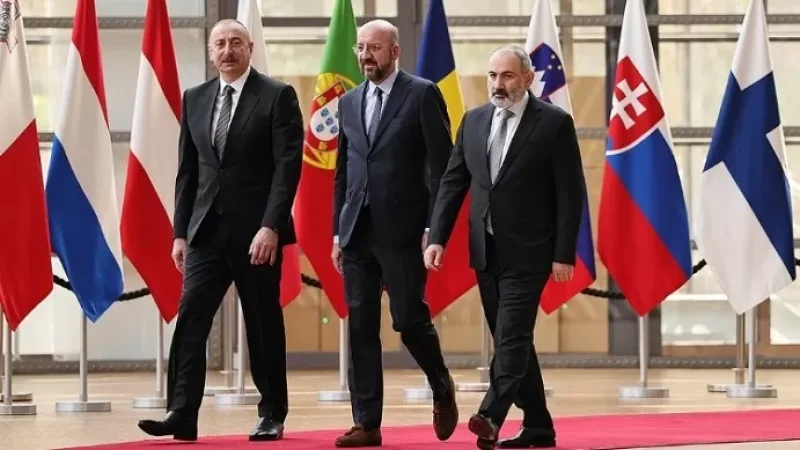
During the meeting in Brussels today between Prime Minister Pashinyan, President Aliyev, and Charles Michel, issues regarding the security and humanitarian situation of the people of Nagorno-Karabakh will also be addressed, an anonymous senior EU official told Azatutyun.
“We believe that meetings at the leaders' level are crucial for advancing a peaceful resolution and avoiding new clashes,” the European diplomat emphasized.
According to the same source, all agenda items will be discussed at the meeting, including humanitarian issues, border delimitation, the peace agreement, the rights and security of the people of Nagorno-Karabakh, as well as the opening of communication routes in the region.
The last time this leadership format met was two months ago, reaffirming their commitment to each other's territorial integrity.
“On May 14, we essentially took another step, and as noted in the statement following the meeting on May 14 by the President of the European Council, we recorded that Azerbaijan recognizes the territorial integrity of Armenia of 29,800 square kilometers, and Armenia recognizes the territorial integrity of Azerbaijan of 86,600 square kilometers,” noted the Prime Minister of Armenia.
Despite Charles Michel's statement, the Azerbaijani leader has not publicly and clearly acknowledged that he recognizes Armenia's 29,800 square kilometers at any forum.
After the previous meeting, Charles Michel also personally urged Azerbaijan to communicate directly with the residents of Nagorno-Karabakh to ensure their rights and security in close cooperation with the international community.
“I urged Azerbaijan to engage in developing a positive agenda aimed at guaranteeing the rights and security of the population in close cooperation with the international community. I also stressed the importance of transparent and constructive dialogue between Baku and this population. I believe it is important to avoid hostile rhetoric, engage sincerely, and show leadership to achieve mutually acceptable solutions,” said Charles Michel.
However, the President of Azerbaijan continues to assert that the Armenians of Nagorno-Karabakh do not need additional security and rights, saying they are already guaranteed by the Azerbaijani constitution, and anyone who does not wish to live under Azerbaijani law is free to leave.
At the Brussels meeting, issues related to the security and humanitarian conditions of the Artsakh Armenians will also be on the agenda, according to the EU official.
In fact, direct dialogue between Baku and Stepanakert, supported by the international community, has not yet become a reality, although the Prime Minister of Armenia emphasized that this would contribute to the signing of a peace treaty between Armenia and Azerbaijan.
“This is a process that is essential for the actual and comprehensive resolution of relations with Azerbaijan and for establishing lasting peace in the region. Therefore, it will significantly expedite the signing of a peace treaty between Armenia and Azerbaijan,” the Prime Minister stated last May.
After the May meeting, Charles Michel also noted that there is an understanding that the release of detained individuals will occur weeks later. Two months have passed since that statement, yet Baku has not released any of the Armenians held in its prisons. Moreover, during this time, Azerbaijan has abducted two soldiers from Armenian territory and sentenced them to 11.5 years in prison.
According to the European diplomat, this issue will also be discussed at the meeting in Brussels tomorrow.
The trilateral meetings between the leaders of Armenia, Azerbaijan, and the European Council began approximately two years ago on the initiative of Charles Michel. Parallel negotiations are also ongoing in Washington and Moscow. Notably, according to the senior European official, the Brussels meetings do not contradict other formats.
“The leaders build upon and develop the discussions that have occurred between Armenia and Azerbaijan in other platforms, whether it is Washington, Brussels, or bilateral meetings,” the European diplomat told Azatutyun.
Նմանատիպ հոդվածներ
Azerbaijan Recently Closes Valve on Armenia-Artsakh Gas Pipeline
Red Cross Staff Visits Armenian Prisoners of War in Azerbaijan
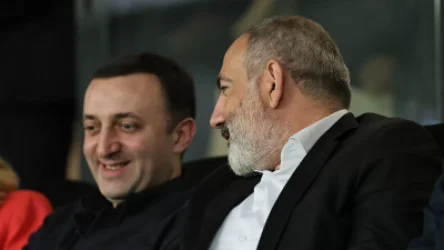
Photos: Pashinyan Watched a Football Match in Batumi with Garibashvili - England is European Champion
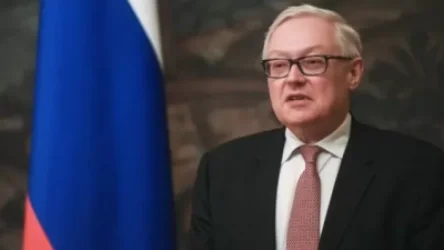
Moscow is Confident that Baku and Yerevan Can Normalize Relations: Ryabkov
Ավելին Politics բաժնից
Իրենք ոչ ընտրվել են, ոչ էլ՝ հաղթել. Իշխան Սաղաթելյան
Ավելի լավ կլինի, եթե ընդդիմությունը չգա խորհրդարան. Ռուբինյան
Մոսկվան պահանջում է Եվրոպայից հեռացնել ամերիկյան միջուկային զինանոցը