Vladimir Gasparyan 'laundered' property worth 2 billion drams, Anti-Corruption Committee
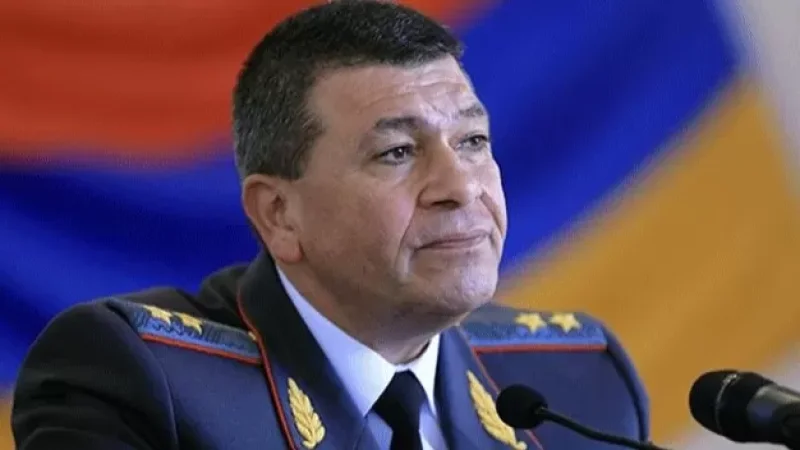
The former Chief of Police of Armenia, Vladimir Gasparyan, has legalized (laundered) property obtained through criminal means, amounting to approximately 2 billion drams. This was reported by the Armenian Anti-Corruption Committee.
The Committee indicated that the pre-trial investigation against Vladimir Gasparyan, who is accused of multiple corrupt practices, has been completed. The materials of the case have been forwarded to the supervising prosecutor with a request to present it to the court.
"The investigation revealed that during the years 2000-2018, Vladimir Gasparyan, who held various positions in public service, as well as his head of security, Arshak Hakobyan, between 2011-2018, acquired property significantly exceeding their legitimate income through the abuse of official powers, patronage, and other corrupt criminal activities. This property was legalized through formal transactions," the statement reads.
Specifically, it has been discovered that Vladimir Gasparyan's wife, having been appointed to various positions in the military police of the Ministry of Defense of Armenia and the police, has not reported for duty for many years but received over 36 million drams.
It was also revealed that Vladimir Gasparyan acquired property for himself and his family, significantly surpassing their legitimate income, for which he spent approximately 700 million drams solely on the renovation of his private residences located in the Gegharkunik region and Yerevan, as well as a production facility.
Furthermore, in 2013, Vladimir Gasparyan instructed Arshak Hakobyan to purchase vehicles from the "Avangard Motors" LLC and register them in his name to conceal the criminal origin of over 150 million drams.
Charges have been brought against Vladimir Gasparyan under the following articles of the RA Criminal Code: Article 190, Part 3, Points 1 and 3 (Legalization of proceeds obtained through criminal means (money laundering) in particularly large amounts and using official position); Article 308, Part 2 (Abuse of official powers, which carelessly resulted in serious consequences); Article 256, Part 3, Point 3 (Fraud committed in particularly large amounts); Article 44-256, Part 3, Point 3 (Theft of entrusted property using official powers or influence, if done so using official powers or influence); Article 445, Part 1 (Official forgery)."
Նմանատիպ հոդվածներ
Iranian Advisor Reveals Intentions Behind Desire to Connect Nakhchivan to Azerbaijan
Date Set for the Pashinyan-Michel-Aliyev Trilateral Meeting
Araik Harutyunyan to Deliver Address Today
We Have Not Received Any Official Communication from Azerbaijan Regarding the Suspension of the Yeraskh Plant Construction: Ministry of Environment
Ավելին Politics բաժնից
Իրենք ոչ ընտրվել են, ոչ էլ՝ հաղթել. Իշխան Սաղաթելյան
Ավելի լավ կլինի, եթե ընդդիմությունը չգա խորհրդարան. Ռուբինյան
Մոսկվան պահանջում է Եվրոպայից հեռացնել ամերիկյան միջուկային զինանոցը