The Chairman of the Supreme Judicial Council and the Minister of Justice Will Keep Judges in Permanent Dependence: Tatoyan

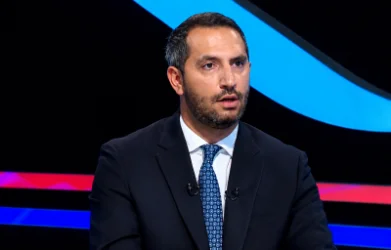
The Supreme Judicial Council of Armenia (SJC) has become a weapon against the judiciary. This was stated by former Human Rights Defender Arman Tatoyan on his Facebook page.
“Under the direct organization of the current president of the SJC, persistent attempts are being made to place the courts under the influence of political power by establishing control over the judiciary. These efforts have distorted the constitutional mission of the SJC, which is to guarantee the independence of courts, and the SJC is currently acting against its mission,” he wrote.
Research confirms that encroachments on judicial power are carried out directly through the SJC, under the patronage and direct support of the highest political authority. The entire process is accompanied by corruption risks and is conducted under conditions of secrecy and obvious discriminatory approaches.
Several factors substantiate this. Firstly, the current president of the SJC held the position of Minister of Justice immediately before assuming this office, which means he held a politically responsible position in the state’s executive power system. He was a member of the ruling political party. Having such a status, he periodically made openly irresponsible statements motivated by revenge, threatening judges with claims that he had a pre-composed list of 40 judges who should be held accountable. Moreover, he did this without any legal procedure or foundation, considering his authority to initiate disciplinary proceedings against a judge, which he exercised with clear abuse and arbitrary approach.
Furthermore, the official did not even disclose how he constituted the lists of those 40 judges, whether it was during a conversation with a friend over coffee.
In addition, the existing practice of applying disciplinary proceedings and penalties against judges indicates that there is no official publication regarding the objective criteria or rules governing how the Minister of Justice initiates disciplinary proceedings against judges. Such procedures are also absent in the case of the SJC.
Moreover, it is unclear by what principles it will be determined which judge will be subjected to disciplinary proceedings based on which ruling of the European Court of Human Rights, and what type of penalty will be applied and why that particular type of penalty is chosen.
A few days ago, the Anti-Corruption Commission of Armenia suggested to the Minister of Justice several “criteria” for initiating disciplinary proceedings against judges based on ECHR rulings. However, it is clear that the publication of these “criteria” is formal in nature, and the commission itself is well aware that they cannot serve as a restraining factor against the corruption risks associated with the personal and economic interests of the SJC president and the Minister of Justice since the generality of these “criteria” does not allow for any restraint or predictability.
For example, it is not clear how and when it will be applied based on the age of the cases or in alphabetical order, or based on the proceedings of courts. For instance, does the alphabetical order pertain to the surnames of the judges or to the cases?
It is evident that these “criteria” will be used by the SJC president and the Minister of Justice to keep judges in continuous dependence on them.
Additionally, the entire process of initiating disciplinary proceedings and penalizing judges is conducted in a secretive environment. For instance, within just one day—on July 3, 2023—the SJC suspended the powers of four judges behind closed doors. Moreover, in the case of Judge David Harutyunyan, the published data, including a segment from the audio recording of the SJC meeting, clearly indicates that the SJC unlawfully deprived him of the opportunity to participate in the examination of the issue concerning him. The meeting was specially organized so that lawyers could not participate. Journalists were unlawfully barred from attending the previously announced open session, thus depriving the affected party of additional means of protection.
The evident discriminatory and corrupt risks are highlighted by the fact that, for example, there are judges in the judicial system associated with violating rulings from the ECHR, but disciplinary proceedings are not initiated against them because they are closely linked by personal interests to the SJC president or the Minister of Justice (for instance, judges of the Cassation Court, member judges of the SJC, or other judges in the judicial system). This is the result of outright discretionary treatment and an arbitrary approach.
Furthermore, there are public data that the current president of the SJC and the Minister of Justice are business partners as well as close friends. This relates to data concerning a commercial organization providing legal services and operating in the field of judicial authority.
The created situation fundamentally contradicts the rule of law and is incompatible with the independence of the judiciary. Under these conditions, the SJC has transformed from a guarantor of the independence of courts into a punitive body against judges, aimed at imposing comprehensive, including political control over the judicial power. This, in turn, poses profound dangers to the protection of human rights in courts in general,” he stated.
Նմանատիպ հոդվածներ

Azerbaijani Television Presents Armenia as Azerbaijan through Yerevan

Azerbaijan's Ethnic Cleansing Policy May Evolve into a Broader Crime: Artsakh Foreign Ministry

H1 Has Long Stopped Using the Word ‘Republic’, Replacing Artsakh with Nagorno-Karabakh: Artsakh Ombudsman

Toivo Klaar Discusses 'Real Dialogue between Baku and Stepanakert'
Ավելին Politics բաժնից

Իրենք ոչ ընտրվել են, ոչ էլ՝ հաղթել. Իշխան Սաղաթելյան
Ավելի լավ կլինի, եթե ընդդիմությունը չգա խորհրդարան. Ռուբինյան

Մոսկվան պահանջում է Եվրոպայից հեռացնել ամերիկյան միջուկային զինանոցը