A Red Card from the ECHR Awaits Armenia, Vardazaryan
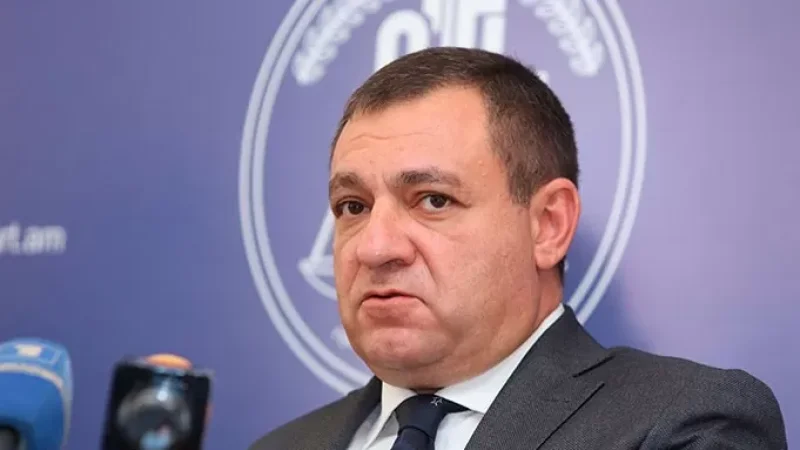
The Supreme Judicial Council executed the political will of the authorities by getting rid of judges deemed inconvenient and jeopardizing the reputation of the Republic of Armenia. This viewpoint was expressed by former Council President Ruben Vardazaryan during a conversation with Sputnik Armenia, commenting on the termination of the powers of Davit Harutyunyan and three other judges.
According to today’s decision by the Supreme Judicial Council, judges Davit Harutyunyan, Samvel Tadevosyan, Astghik Kharatyan, Artak Barseghyan, and Tigran Petrosyan have been subjected to disciplinary measures, resulting in the termination of their powers.
Disciplinary proceedings were initiated against Davit Harutyunyan for the opinions he expressed in an interview with journalists, where he criticized the termination of the powers of about 20 judges following amendments to the Judicial Code at the end of 2022. According to the former Council president, the proceedings against Harutyunyan were notable for being conducted in a closed manner, depriving the judge of his constitutional right to appear before the court.
“We can note that we have everything except for justice. I am confident that the European Court will undoubtedly accept Davit Harutyunyan’s complaint, and after some time, he will be reinstated and will fulfill his mission,” Vardazaryan stated.
Regarding the other three judges, disciplinary proceedings were initiated based on a decision made 14 years ago, which the European Court of Human Rights identified as a violation four years ago.
“This law (the law granting retrospective force to regulations that worsen an individual's situation) poses constitutional issues regardless of how it was adopted. Even the Venice Commission's response to the draft law was sharply negative, stating that such a law should not be adopted, as the state will face a catastrophe. I am confident that the European Court will also accept proceedings concerning these three judges, and they too will return to their jobs,” the former Council president noted.
In such cases, according to Vardazaryan, the only recourse available to judges whose powers have been terminated is to appeal the Supreme Judicial Council’s decisions to the European Court, as no other procedure currently exists.
In this context, the head of the Supreme Judicial Council emphasized that the European Court recently decided to process the case of seven judges whose powers were terminated (including Alexey Sokoyan, Zaruyi Nakhshkaryan, Anna Pilosyan, Suren Antonyan, and others) on an expedited basis.
“In my deep conviction, the expedited admission of the judges' case is a yellow card that the ECHR is showing to the Supreme Judicial Council of Armenia or the political authorities. It seems that the Supreme Judicial Council did not grasp this message; terminating the powers of four judges on dubious grounds indicates a misunderstanding of the yellow card. A red card follows a yellow card, and in the future, we will see a red card,” he said.
Overall, according to Vardazaryan, the ongoing situation in the judicial system of Armenia and today’s decision of the Supreme Judicial Council pose a threat to Armenia’s reputation. Different international organizations have already started making assessments regarding judicial pressures in Armenia. An example of this is the annual report from the U.S. State Department, which noted that political persecution against judges is occurring in Armenia.
“Although this may seem like an inconsequential statement at first glance, as experience shows, it does not go unanswered,” added the former Council president.
When asked what could happen after today’s decision, Vardazaryan responded that the Armenian judicial system had maintained its reputation through judges like Davit Harutyunyan until now. Moving forward, as he suggests, the Supreme Judicial Council is executing the political will and removing undesirable judges, the most extreme outcome could be the resignation of the Supreme Judicial Council.
Նմանատիպ հոդվածներ
Azerbaijani Television Presents Armenia as Azerbaijan through Yerevan
Azerbaijan's Ethnic Cleansing Policy May Evolve into a Broader Crime: Artsakh Foreign Ministry
Agreement Reached on Certain Points of the 'Peace Agreement', Armenian Foreign Ministry
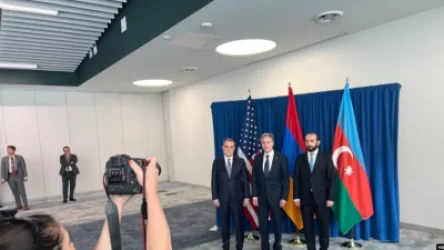
Significant Progress Recorded in Washington Negotiations Between Armenia and Azerbaijan: Blinken
Ավելին Politics բաժնից
Իրենք ոչ ընտրվել են, ոչ էլ՝ հաղթել. Իշխան Սաղաթելյան
Ավելի լավ կլինի, եթե ընդդիմությունը չգա խորհրդարան. Ռուբինյան
Մոսկվան պահանջում է Եվրոպայից հեռացնել ամերիկյան միջուկային զինանոցը