Armenia is Represented with Red Zones in Many Countries: Apresyan Talks About Sector Issues
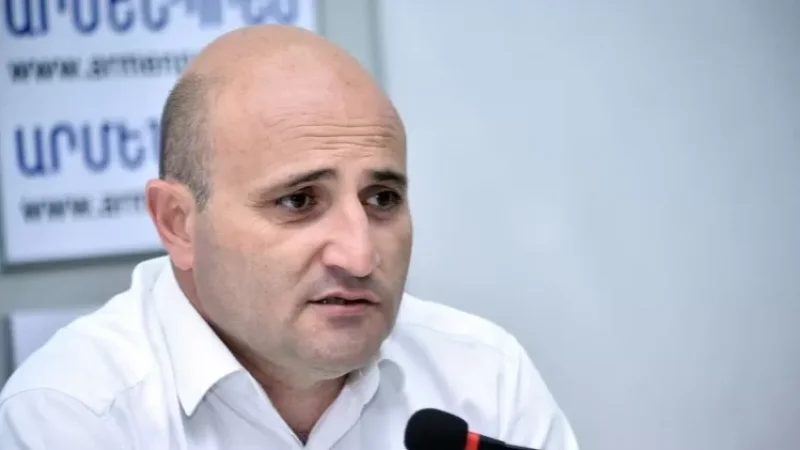
After the coronavirus and the war, the tourism sector in Armenia is gradually recovering, which is a natural process. At the same time, significant efforts have been made to promote the country and boost the sector with public and private funds. This perspective was shared by Mekhak Apresyan, the president of the Armenian Tourism Federation, in an interview with an Armenpress reporter.
According to him, more attention should be paid to organized tourism, which has not yet fully entered a phase of sustainable recovery. Although there is some activity in this area, it is mainly due to individual visits. Organized tourism is a more responsible sector, therefore, the unstable situation prevailing in our region makes foreigners more cautious.
“On the other hand, information about Armenia is presented in an exaggerated manner in European and other markets, which also affects the attractiveness of our country. Particularly in many European countries, Armenia is depicted with red zones on local authoritative websites, implying an unsafe and insecure environment. This has negative consequences because tour operators do not send tourist applications. Efforts need to be made at both the state-diplomatic level and by organizations representing the sector to provide accurate and objective information about Armenia to the international community,” said Apresyan.
It is encouraging that domestic tourism is developing significantly and dynamically, with a recent increase in directions. The private sector was also active during the pandemic and developed new products, as the demand was not delayed. Therefore, the sector operated primarily based on domestic tourism, yielding positive results.
Apresyan noted that adventure and extreme tourism are also developing recently, for which Armenia has natural conditions and resources, and in this regard, our country does not lag behind many others in the world. However, this direction also needs to be institutionalized, meaning that criteria should be set, tourist trails should be developed, and high-level specialized tour guides should be trained by creating appropriate schools.
Speaking about the development of infrastructure, Apresyan emphasized that it is not a finished or static process; infrastructure should always evolve in accordance with demand. If, according to forecasts, the dynamic growth continues, the number of tourists arriving in Armenia will increase, so we must always be prepared to meet the growing demand.
“Infrastructure is not just about beds and hotels. Alongside ensuring their quantity, it is essential to construct high-capacity, quality roads and parking lots, as well as stops in all tourist-attractive locations. There is development, but there are still tasks to be addressed regarding the arrangement of roads.
“We do have very high-level tour operators who play a pivotal role with their own capacities, especially in the organized tourism sector. However, alongside conscientious tour operators, there are also many entities that are far from professionalism, some of which are not even registered and do not pay taxes, operating with cash transactions and providing low-quality services, undermining the competitive environment and damaging the country’s image, which also negatively affects the implementation of investment projects,” Apresyan stated.
The president of the Tourism Federation stressed the importance of institutional reforms proposed by them. There is a common understanding with the government on this issue. A draft law has been presented through which many problems will be resolved, making the business environment more attractive, as necessary regulations will be introduced in this sector. In particular, it is planned to define types of activities subject to notification regarding the services of tour operators, agents, and guides, as well as to make tourist transportation mandatory for qualification.
In order to ensure sustainable development, alongside legislative reforms, there is a need to implement a flexible tax policy besides licensing. In this regard, it is proposed to apply a zero VAT rate to the inbound tourism packages offered by licensed tour operators, which, according to Apresyan, will significantly improve the competitive business environment and complement the reform package.
Նմանատիպ հոդվածներ
Investigation into Abduction of Armenian Soldiers in Azerbaijan Completed
Was it possible to keep Shushi under Armenian control? Clarification from Pashinyan
Criminal Proceedings Initiated Based on Defender's Letter Regarding Torture of Tigran Arakelyan
‘Call of the Sons’ Removes Gayane Hakobyan from NGO
Ավելին Society բաժնից
Հրդեհը կանխել են. մանրամասներ

Մահացել է գերությունից վերադարձած Կարլեն Ստեփանյանը
Քաղաքացի է որոնվում