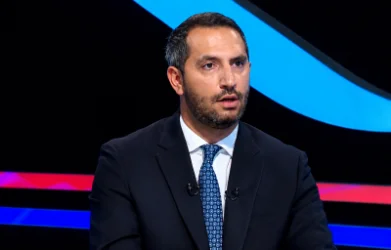
Dark Clouds Over Tigran Avinyan: Criminal Proceedings Initiated
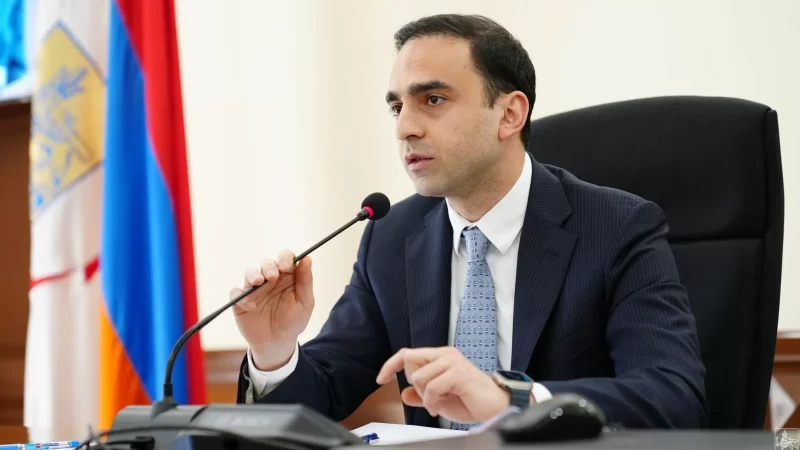
The Anti-Corruption Committee has sent the materials of the case against Yerevan's Deputy Mayor Tigran Avinyan to the Prosecutor General's Office, following which criminal proceedings have been initiated.
This is the case that the Anti-Corruption Committee initiated in December 2022. The reason behind this was that Tigran Avinyan was elected Deputy Mayor by the Yerevan City Council on September 23, 2022, but remained the Chairman of the Board of Directors of the "Armenian National Interests Fund" (ANIF) since 2019.
The combination of the Deputy Mayor role and the position of Chairman of the Board of Directors of the company raised concerns in the Armenian media last autumn. Following this, the Anti-Corruption Committee launched proceedings regarding the apparent violation of the incompatibility requirements.
Before the Anti-Corruption Committee initiated proceedings, ANIF responded to media reports, stating that Avinyan's holding of both positions is within the bounds of the law, as per the Law on Public Service, which allows a person holding a public office (in this case Deputy Mayor T. Avinyan) to be involved in the board of directors of a commercial organization with more than 50% state participation, provided it directly relates to the implementation of policies in the area of their official duties, without receiving remuneration or any other form of compensation.
In this respect, ANIF noted that it is a commercial organization with 100% state participation, and that Chairman Avinyan does not receive any remuneration.
However, the crucial point remains that according to the provisions of the Law on Public Service, an individual holding a public office can only be part of the same ANIF board of directors if it is directly related to their policy implementation area. During 2018-2021, when Avinyan was the Deputy Prime Minister, there was essentially no conflict between that role and being the Chairman of ANIF’s board, since he coordinated the sector in which ANIF operates.
The question remains: does being the Chairman of ANIF's board have any relevance to the position of Deputy Mayor? According to ANIF, the answer is yes. This was their attempt to justify that connection as early as last November, stating: "Most of ANIF's ongoing, currently undisclosed, and future planned projects have a direct relationship to the development programs of Yerevan. These include mobility, infrastructure, tourism, service, construction, and property development sectors. The effectiveness and implementability of many programs carried out by ANIF are directly related to the functions of the Yerevan City Hall. Currently, several programs for attracting new investments in Yerevan implemented by ANIF are under discussion, which falls within the direct functions of the City Hall. Therefore, the compatibility of the Deputy Mayor's status within ANIF's independent supervisory body does not contradict the law and contributes to the coordination of the government's investment and existing program implementation."
However, the Anti-Corruption Committee held a different view, which served as the basis for initiating proceedings against Avinyan. In its decision to initiate proceedings, the Committee cited not only the restrictions imposed by the Law on Public Service but also the provision of the Law on Local Self-Government in Yerevan, which states that deputy mayors cannot hold positions in commercial organizations.
The Committee suspended the proceedings; the final deadline for the proceedings initiated in December 2022 was set until March 12, which the Committee extended for another month. However, on April 12, when the determination was supposed to be made regarding whether Avinyan had indeed violated the incompatibility requirements or not, the Committee made another decision. The Anti-Corruption Committee chose to suspend the proceedings. The Committee did not publish the primary decision, but on April 17, it announced: “The Anti-Corruption Committee has substantiated with its decision that there is information present in the materials obtained within the proceedings that should be examined by other state bodies.” This announcement raised more questions than it clarified.
After the first inquiry from Hetq, the Anti-Corruption Committee only provided a link to this statement published on their website, but after the second inquiry, we requested that the principal decision to suspend the proceedings be provided. Following this inquiry, on June 8 (around 2 months after the decision was made), the Committee published it on their website while closing off some sections.
In the open sections of the Committee's decision, it is noted that Tigran Avinyan became the Chairman of the Board of ANIF on July 8, 2019, while he was the Deputy Prime Minister (2018-2021). The Committee has requested copies of sectoral programs implemented from 2019-2023 from ANIF (including planned projects) and protocols of meetings held since the establishment of the board.
“Analyzing the data provided, the Committee has formed reasonable doubt that during the operation of the company, possible abuses may have taken place that should be subject to thorough and objective investigation and verified through criminal procedural measures,” stated the Anti-Corruption Committee, deciding to suspend the proceedings in Avinyan’s case and send the materials to the Prosecutor General’s Office for evaluation within the framework of criminal procedural standards and for further action if there are relevant grounds. This decision was also sent to T. Avinyan as required by law.
Criminal proceedings have been initiated. In response to Hetq’s inquiry, the Prosecutor General’s Office stated that the relevant documents received from the Anti-Corruption Committee had been forwarded to the Anti-Corruption Committee (ACC) to address the issue of initiating criminal proceedings. On April 22, the ACC initiated criminal proceedings based on the characteristics of Part 1 of Article 277 of the Criminal Code (Abuse of official powers or influence in the private sector).
The aforementioned provision of the Criminal Code states: “The use by an employee, arbitrator, auditor, custodian, manager, or notary of powers conferred on him by law or the influence arising from them, for the detriment of the interests of the organization, or failure to perform or improperly performing his official duties, or committing any act not consistent with his powers or beyond the scope of his powers, which has caused significant harm to the rights, freedoms, or legal interests of an individual or organization or to the legal interests of society or the state, shall be punishable by a fine of up to 20 times the maximum monthly income of the person who committed the offense, or by community service for a term of 80-150 hours, or restriction of freedom for a maximum term of 2 years, or short-term imprisonment for a maximum term of 2 months, or imprisonment for a maximum term of 2 years.”
Based on the order of the prosecutor, the criminal proceedings were transferred from the Anti-Corruption Committee to the Investigative Committee, where a preliminary investigation is currently ongoing. According to the Prosecutor General’s Office, no criminal prosecution has yet been initiated against any individual within the framework of the criminal proceedings.
Նմանատիպ հոդվածներ

Ավելին Politics բաժնից

Իրենք ոչ ընտրվել են, ոչ էլ՝ հաղթել. Իշխան Սաղաթելյան
Ավելի լավ կլինի, եթե ընդդիմությունը չգա խորհրդարան. Ռուբինյան

Մոսկվան պահանջում է Եվրոպայից հեռացնել ամերիկյան միջուկային զինանոցը