The Capacity of Upper Lars Border Crossing Will Increase by 15-20%. Deputy Chairman of EDB
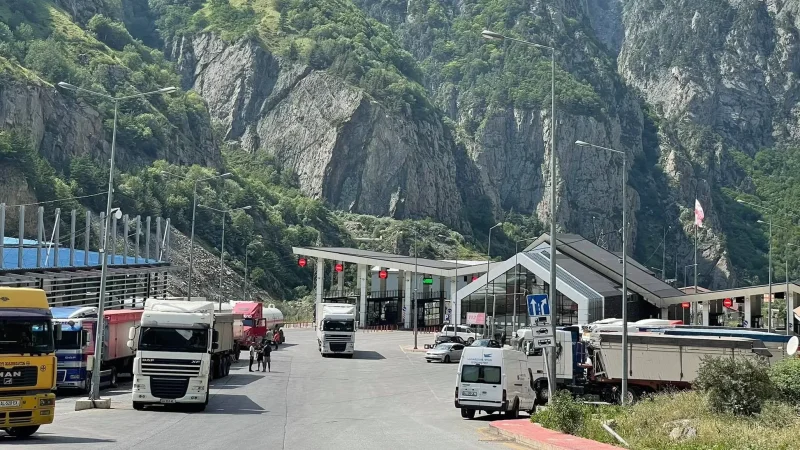
The expansion of the Upper Lars border crossing will allow for a 15-20% increase in its capacity in the first phase. This was announced by Denis Iliyin, the Deputy Chairman of the Eurasian Development Bank (EDB).
The direct beneficiaries of the new infrastructure will be Georgia and Armenia.
Today, a memorandum has been signed between the Eurasian Development Bank and Caucasus.RF regarding the intention to provide a grant for developing the technical and economic justification for the expansion of the Upper Lars border crossing during the Eurasian Congress held in Sochi.
“Upper Lars is a sub-regional project of North and South Caucasus, and we expect that at least the first phase will help increase the capacity by 15-20%. Furthermore, with further expansion, we aim to fundamentally address this headache that has hindered both the movement of people and the flow of goods between the North Caucasus Federal District and the South Caucasus countries for quite a while,” noted Iliyin.
He stated that negotiations are currently underway with several candidates for the project's operator, who will directly manage and control the new infrastructures. This is a comprehensive program, as it is expected to involve state bodies, particularly customs authorities, which are to be deployed there.
“We see that the current capacity does not meet the demand. This is already a pressing issue that needs to be resolved. The project should be implemented with potential for future development,” emphasized the Deputy Chairman of the EDB.
Funding for the project is being provided solely by the EDB and Caucasus.RF; there is currently no need for financial involvement from Armenia and Georgia. At the same time, Iliyin believes that once the infrastructure is ready and clients have the opportunity to benefit from its advantages, the countries will be interested in participating in the project.
The Upper Lars multi-directional automobile crossing and its adjacent transport and logistics infrastructure are essential components of the “North-South” highway corridor, which is part of the Eurasian transport framework. For Armenia, this route is currently the only land corridor that ensures trade and economic connections with other member states of the EAEU.
Նմանատիպ հոդվածներ

Paris City Council Adopts Resolution to Assist Artsakh Residents and Refugees in Armenia
Six-Month Illegal Blockade of the Lachin Corridor: Armenia's Foreign Ministry Issues Statement

Salmonella and Bacteria Found in Local Chicken Meat: Laboratory Test Results

Azerbaijanis Destroy Historical Cemetery in Lachin, Annihilate 14th-16th Century Cross-Stones
Ավելին Society բաժնից
Հրդեհը կանխել են. մանրամասներ

Մահացել է գերությունից վերադարձած Կարլեն Ստեփանյանը

Քաղաքացի է որոնվում