Unlike Western Players, Russia Needs Real Peace in the South Caucasus: Markedonov
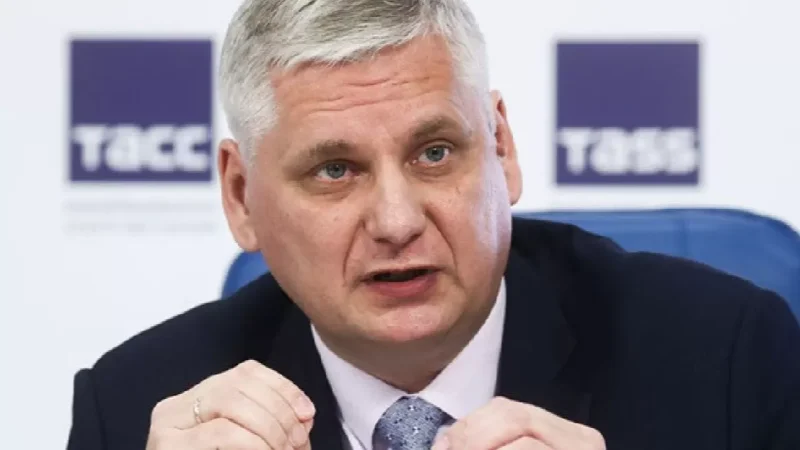
The Russian side reiterated its position during negotiations with the foreign ministers of Armenia and Azerbaijan in Moscow: unlike Western players, it needs real peace in the South Caucasus. This perspective was expressed by Russian political scientist and international expert Sergey Markedonov in an interview with Sputnik Armenia, commenting on the outcomes of the meeting of the three countries' foreign ministers.
During meetings with Ararat Mirzoyan and Jeyhun Bayramov, a number of interesting statements were made by the head of the Russian Foreign Ministry, Sergey Lavrov, regarding the results of the negotiations. According to the minister, the parties are already close to a final agreement on the issue of unblocking communications. They have agreed to hold a meeting of the bilateral commission on delimitation and demarcation in the near future with the advisory participation of Russia. Moreover, an understanding has been reached on several articles regarding the peace agreement leading to a common vision of the two sides.
Markedonov notes that, from Russia's perspective, the corresponding peace agreement should serve as a resting point for the processes of delimitation and demarcation, as well as the restoration of socio-economic ties between Armenia and Azerbaijan, among other things. “If Western countries view the peace agreement as a tool to push Russia out of the South Caucasus, Russia views peace as a comprehensive matter, which is crucial for its security in the southern flank. It sees peace that should be achieved not through declarations or some ‘PR actions’, but as a result of real progress on specific issues,” the expert believes.
Accordingly, the difference between what was said regarding the results of Nikol Pashinyan and Ilham Aliyev's latest meeting in Brussels and what was announced in Moscow lies in the sequence of events. “Undoubtedly, Brussels, Moscow, and Washington all recognize the importance and necessity of signing a peace agreement. Essentially, Armenia and Azerbaijan also acknowledge this. But for the West, the primary goal is ‘instrumental’, meaning it needs peace, which then should raise the question of the appropriateness of the Russian military base in Armenia and the deployment of Russian peacekeepers in Nagorno-Karabakh. For Russia, peace is essential as a coordinated action between Armenia and Azerbaijan. Moscow does not think of the paper itself as a goal,” the expert explains.
When asked whether the Moscow platform will continue to be relevant, Markedonov responded that international relations and conflict resolution never develop in a vacuum. Russia has always tried to play its role, but this has not closed off opportunities for other players. This has also been the case since long before 2022, with notable examples including the 2021 negotiations in Key West (USA). The expert recalled that Western mediation activity existed well before the events in Crimea and even in Abkhazia and South Ossetia situations. But, in fact, Russia has managed to achieve concrete results until now. The issue seems to be that Russia lacks information activity.
“In Russia, there is a feeling that everyone already knows all of this. Perhaps this could be done until 2022, when the Minsk Group still existed, and the West and Russia cooperated in the post-Soviet space. But now the situation is different. And one cannot expect that Russian efforts will be appreciated and someone will say ‘thank you’ to it. You can read Charles Michel's statement made after the Brussels meeting, where Russia is not mentioned at all, as if it doesn’t exist, or Antony Blinken’s speech, who says Armenia and Azerbaijan must negotiate on their own. I believe Moscow should slightly change its tactics,” he says.
Markedonov is generally confident that Russia will maintain its role as a mediator, as if it stops increasing its mediation efforts, its strategic influence in the Caucasus will diminish. Markedonov paid attention to Lavrov's statement about the necessity of expert-format Armenian-Azerbaijani dialogue. The political scientist believes that this dialogue will be beneficial for the overall negotiation efforts, as experts and public figures possess certain knowledge and competence. And there is an opportunity to expand the overall format of cooperation.
“Certainly, the expert platform will not completely displace the professional diplomatic format; that would be absurd. But why not? It can supplement it and become a kind of ‘know-how’ from the Russian side,” our interlocutor stated.
Regarding Lavrov's remarks that Russia has played a historical role in this region and has the most serious interests, believing that allies understand this, Markedonov commented that Moscow has never said that this region is not of interest to it. The fact that the Ukrainian issue has come to the forefront does not mean that the Caucasus has lost its significance for Russia. Claims to the contrary are unfounded. It is noted that the next negotiations between Armenia and Azerbaijan are expected to be held again in Moscow. Earlier, Armenian Prime Minister Nikol Pashinyan announced that he accepted Russian President's proposal to hold a trilateral meeting at the highest level on May 25.
Նմանատիպ հոդվածներ
Ավելին Politics բաժնից
«Փորձում են լարվածություն ստեղծել». Փաշինյանի ուշագրավ հայտարարությունը
Խորոված անենք, ոսկի ցեպ առնենք. ընտրակաշառք ստանալու դեպքեր են բացահայտվել
Քվեարկության օրը բացահայտվել է ուշագրավ հանգամանք. ձերբակալվածներ կան