Children in Same Underwear, 14 Kids Given Only 6 Cups: Violations in ‘Zatik’ Orphanage
The Human Rights Defender of Armenia, Anahit Manasyan, along with representatives from her office, conducted an unannounced monitoring visit on May 5 to the Ministry of Labor and Social Affairs’ ‘Yerevan Zatik Children’s Support Center’, a state non-commercial organization.
During the visit, the residential areas, sanitary and communal facilities, care for children, provision of medical assistance, organization of nutrition, the state of staff, children's rights, and fundamental freedoms were studied, along with document compliance with set requirements and applicable standards.
Particular attention was paid to children’s social inclusion, communication with families and relatives, and issues related to guaranteeing the best interests of the child through observation, dialogue with experts and children, individual interviews, and document review methods.
A number of issues were recorded, some of which are systemic and characteristic of many other institutions involved in child care and protection. Therefore, as a child care and protection institution, the following was noted:
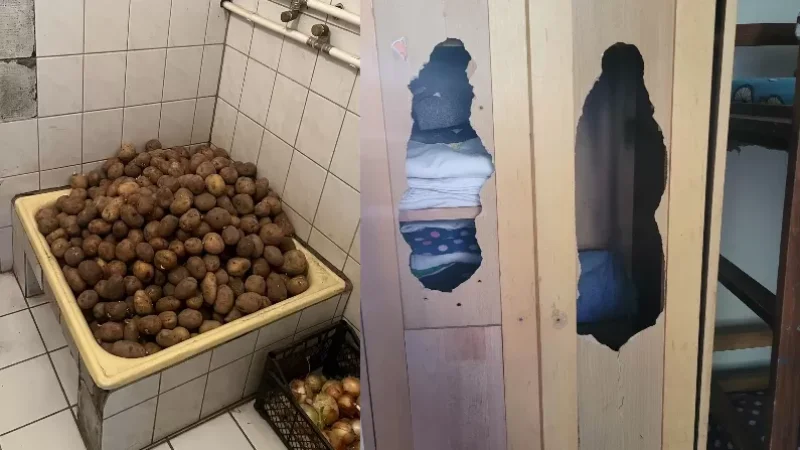
The necessary living space for personal territory is not preserved; specifically, beds in the rooms are interconnected or placed too closely. Instances were recorded where, due to lack of sufficient space in the boys’ dormitory, male children were temporarily moved to the girls’ dormitory. There were no individual wardrobes in the rooms; one broken wardrobe was provided for 3 or 4 persons, which was unusable and lacked locks.
Children's narrow personal needs (personal hygiene) cannot be met independently in a separate condition. For example, most toilet doors do not lock from the inside, showers are separated from toilets only by a partition, and in some cases, there is no partition at all.
Sanitary conditions are not met; the washing of clothes, including underwear, is done without individualization and necessary sorting, leading to various children wearing the same clothes or underwear. In the separated kitchen for children, the number of cups did not match the number of children; 6 cups were allocated for 14 children.
Personalization of bedding, towels, and combs is done without appropriate markings. The institution is not equipped with safe, needs-based, and developmentally necessary conditions according to children's age groups. There is no allocated space and appropriate furniture for organizing the educational process; no programs matching children's age characteristics and interests have been planned for their daily organization.
As a result, school-aged children are forced to conduct their studies after younger children go to bed. There are no programs enabling participation in sports and cultural events or attending groups outside the institution. Inside the institution, television is used as the main means of occupation, which has been played at high volume in the girls' group throughout the visit and contained content inappropriate for children's age and developmental capabilities. In the boys' group, the screen has not been turned on for about two months due to a malfunction.
Children are not involved in issues affecting them, nor are their rights to be heard and to appeal ensured. Specifically, the complaint and suggestion box is placed in the administrative section of the institution, which children are unaware of.
There were recorded interventions affecting the assurance of contact with the child and family and the maintenance of family ties. In particular, children’s visits with parents and phone conversations frequently occurred in the presence of staff members. The building’s conditions are not adapted to the needs of children with disabilities.
At the time of the visit, there was no first aid kit in the institution, and the only active room designated for medical services serves simultaneously as an admission room, doctor's office, and resting room for duty nurses. There is no unified format for managing children's medical documentation.
Transportation arrangements for children are not secured, significantly limiting societal interactions. The current process for assessing children's needs does not ensure their actual and individualized nature, which is also due to the absence of guidelines on professional and child-centered approaches for specialists, and a lack of professional work formats or other regulations.
There are no clear formats for documentation and collection of information regarding children, which results in ambiguous objectives set by the multidisciplinary team for the development of specific children, the specific works being carried out in that direction, and resulting outcomes. The absence of such formats means records of the actual work performed by specialists are not systematic and effective, failing to provide clear information about the real needs of the child.
There is a lack of effective cooperation within the multidisciplinary team as well as between the institution and school, which prevents the establishment of a unified child-centered professional approach based on the best interests of the child. Issues exist in the process of placing a child in a foster family and organizing care. For example, there have been cases where the care of the same child was organized in two different foster families, but after some time, those families refused to continue taking care of the child, negatively affecting the child psychologically.
During individual interviews with children and staff members, they reported instances of physical and psychological violence exhibited by staff towards children, by children towards staff, and between children themselves. There is a lack of a registry for documenting suspected or confirmed cases of violence against children and between them, and for reporting such cases to the competent authorities.
In the dining hall and kitchen, problems were noted in organizing work. There is an imbalanced workload among the staff and the merging of functions. During the visit, the portion sizes of meals prepared and the eating hours were not specified. The requirements for food sampling established by the legislation of the Republic of Armenia were not maintained either.
Expired flour and red pepper were found, as well as hygiene and cleaning products, and there was no date marking on the meat stored in the kitchen freezer. The working conditions for staff are inadequate, and there is a lack of staff resources. These issues have been discussed by the representatives of the Ombudsman with the administration of the institution. The problems will be compiled, and a document reflecting them, along with proposals aimed at solutions, will be presented to the relevant authorities in the field.
Նմանատիպ հոդվածներ
Ավելին Society բաժնից
Հայաստանի մասին նոր զեկույց․ ուշագրավ մանրամասներ

Մայր Աթոռ Սուրբ Էջմիածինը հայտարարություն է տարածել

Հորդառատ անձրևները կվերսկսվեն. հնարավոր է նաև կարկուտ, քամու ուժգնացում