Licensing Regulations for Hemp Production Simplified in Armenia
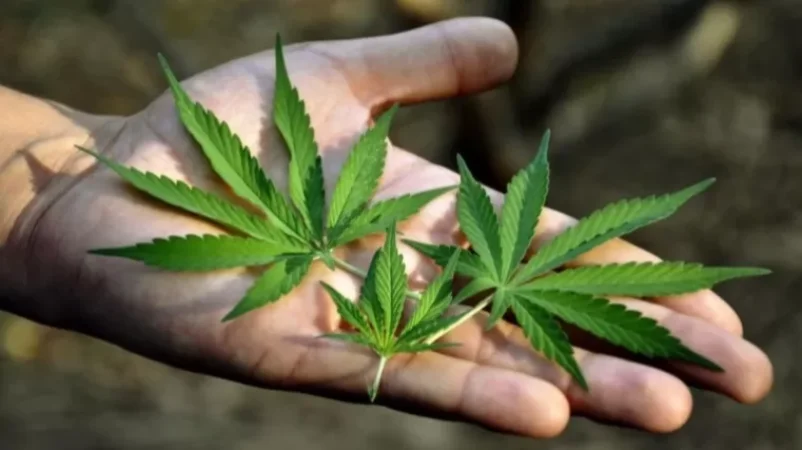
Since the legalization of industrial hemp in Armenia, 10 organizations have received licenses for production, import, export, and wholesale trade of hemp for a period of 10 years. This was reported by the Ministry of Health of the Republic of Armenia in response to a written inquiry by NEWS.am.
Particularly, in the second half of 2021, seven organizations applied to the authorized state management body, the Ministry of Health, for a license to import, export, or engage in wholesale trade of industrial hemp. Of these, six applications were approved, while one was rejected for not meeting the conditions and requirements established by the Armenian government's decision No. 1170-N dated July 15, 2021, regarding the licensing of industrial hemp production activities.
In 2022, the number of applicants decreased; throughout the year, five organizations submitted applications for licensing, of which four were approved and granted licenses for various types of activities for a period of 10 years, while one application was rejected based on non-compliance with the relevant conditions stipulated by the Armenian government.
In the first quarter of 2023, one organization applied for a license to produce industrial hemp, but it was also rejected. However, the Ministry of Health did not specify what specific conditions and requirements the rejected organizations failed to meet.
It should be noted that since July 2021, the government of the Republic of Armenia has legalized the cultivation of hemp for technical purposes. According to the government's decision of July 15, 2021, the production, import, export, and wholesale trade of industrial hemp is classified as a licensing activity. By legalizing hemp production, the government hoped that this sector would make a significant contribution to the development of the Armenian economy, particularly agriculture, while also controlling the illegal circulation of hemp in the country. However, considering the number of legal entities that have applied for licensing over the past two years, as well as the legislative requirements associated with the licensing of industrial hemp, one can conclude that the production of industrial hemp in Armenia is not particularly attractive, and organizations engaged in the legal production of hemp are unlikely to bring noticeable results to Armenia's economy in the coming years.
Recently, the government has initiated changes to simplify the regulation of the licensing of industrial hemp-related activities. Specifically, on April 13, the National Assembly of Armenia adopted in the first reading a legislative package presented by the government that proposes amendments to the laws on narcotic and psychotropic substances and changes to the Administrative Violations Code of the Republic of Armenia. The package suggests clarifying the content of the term “industrial hemp process,” stating that the drying of industrial hemp plants is also part of the industrial hemp process. The package also plans to make changes to the licensing regulations related to industrial hemp activities.
Specifically, it is proposed to remove the requirement to submit a business plan from the list of documents required for obtaining a license for production, import, export, and wholesale trade of industrial hemp under current law, as well as the basis for suspension of a license in case of quota violations, and the licensed entity will be given the opportunity to review the quotas. Thus, the government is essentially simplifying the licensing procedure related to the production of industrial hemp.
It should be recalled that on February 4, 2021, the government launched industrial hemp production within the framework of the “Economic Response Program.” On that day, Prime Minister Nikol Pashinyan emphasized that “hemp is a very important industrial raw material.” The then Deputy Prime Minister Tigran Avinyan also announced the readiness to “vigorously promote” the production of industrial hemp. According to Avinyan, the production of hemp would significantly activate the use of land in the agricultural sector. However, the optimistic expectations of the government leader and the deputy prime minister have not been justified.
On February 1, 2023, during a meeting of the Standing Committee on Economic Affairs of the National Assembly, the Minister of Economy, Vahan Kerobyan, acknowledged that the result was not satisfactory when discussing the impact of industrial hemp on the economy. “We would not mind if the responsibility for the development of this program or the industrial hemp sector was placed on the Ministry of Economy; we will try to do everything possible to ensure that outcome indicators differ from what currently exists,” Kerobyan announced.
Նմանատիպ հոդվածներ

Ավելին Economy բաժնից

9 եվրոպական երկիր և Ուկրաինան կստեղծեն բալիստիկ հրթիռներից պաշտպանության միասնական համակարգ
Շոգի պատճառով Ֆրանսիան ժամանակավորապես դադարեցրել է 3 ատոմակայանի աշխատանքը

Իրանը զգուշացրել է ԱՄՆ-ին՝ Հորմուզի նեղուցին միջամտությունը կհամարվի ագրեսիա