U.S. Expresses Disappointment Over Moscow's Negative Response
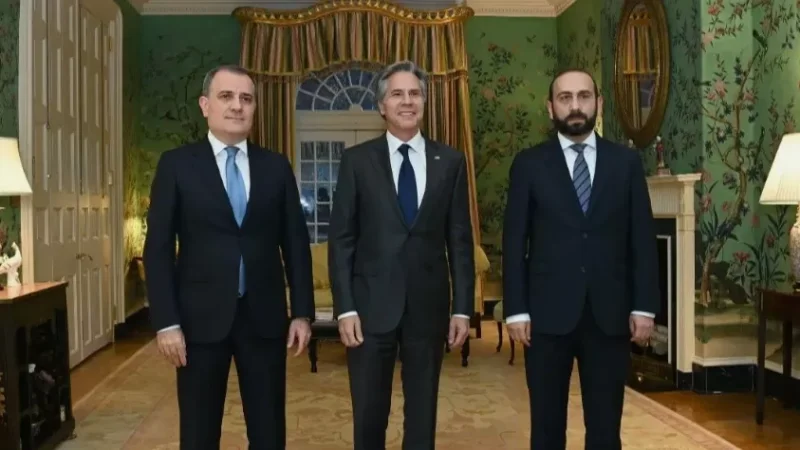
Senior officials from the U.S. State Department responded to reporters' questions regarding the ongoing Armenia-Azerbaijan dialogue in Washington. According to "Voice of America," senior advisor for Caucasus negotiations Luis Bono and Deputy Assistant Secretary Erika Olson emphasized the U.S. commitment to a peaceful resolution and announced that this week, the foreign ministers of Armenia and Azerbaijan will hold a series of meetings at the National Foreign Affairs Training Center named after George Shultz, located near Washington.
Bono noted that this is the first time the parties have met several times in succession over a few days and emphasized that the discussions are very constructive.
"Voice of America" also reports that negotiations between the foreign ministers of Armenia and Azerbaijan have begun in Washington under U.S. mediation around a document titled "Agreement on the Regulation of Relations." Senior U.S. diplomats provided details about the negotiations.
The foreign ministers of Armenia and Azerbaijan will hold a series of successive meetings this week, as stated by senior officials from the State Department during a conference call with reporters. The discussions, which began earlier today, are proving to be constructive, according to Luis Bono, the senior advisor for Caucasus negotiations at the State Department.
According to senior diplomats, the United States is committed to fostering a peaceful, democratic, and prosperous future for the South Caucasus region, and direct dialogue is the only way to resolve issues and achieve lasting peace, which Washington supports.
The negotiations are taking place at the George Shultz National Foreign Affairs Training Center located in the Washington metropolitan area. U.S. Secretary of State Antony Blinken had already hosted Foreign Ministers Mirzoyan and Bayramov for brief individual meetings followed by a trilateral discussion format.
The American side has expressed disappointment over Moscow's negative response regarding the negotiations. "The most important thing is that the parties can communicate with each other, regardless of where it takes place—be it in Washington, Brussels, or Moscow," said senior diplomats, emphasizing that Washington's goal is to provide the platform for achieving lasting, balanced, and fair peace.
Bono stated that the Munich meeting made it clear that the parties are committed to the peace process, which he describes as very complex and comprehensive. The document under discussion is called the "Agreement on the Regulation of Relations." Bono noted that the U.S. aims for the parties to normalize their relationships, live together, strengthen economic ties, and even enhance their collective security in the region.
This is a complex and comprehensive process that involves discussing all issues, he said. According to the State Department representative, one of the issues being discussed in the ongoing negotiations for a comprehensive agreement is the treatment of ethnic minorities in both countries, which relates to the rights and security of ethnic minorities.
When discussing the Lachin corridor, the American side reiterated that Washington has clearly pointed out the importance of ensuring free trade and humanitarian movement through the Lachin corridor over the past few months and continues to be engaged in these discussions, hoping that movement through the corridor will soon be restored.
Deputy Assistant Secretary Erika Olson also expressed hope that the parties will have "immediate and sincere" discussions this week to resolve the issue. "We are committed to supporting this process and are honored to host this important dialogue here, which can continue," emphasized the Deputy Assistant Secretary, highlighting the ongoing nature of the negotiations.
Նմանատիպ հոդվածներ
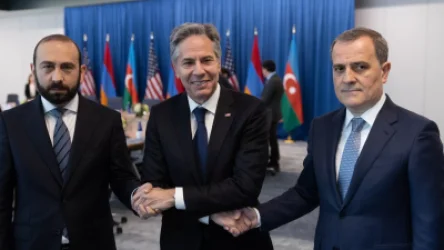
Will the Foreign Ministers' Negotiations Last Several Days?
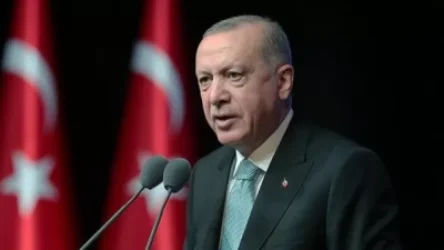
Yerevan Not Interested in Normalizing Relations with Ankara, Says Erdogan's Administration
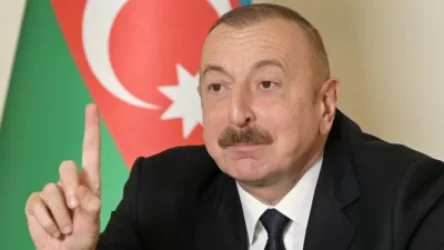
Direct Negotiations Are the Best Way to Reach Agreement Between Azerbaijan and Armenia: Aliyev
Araik Harutyunyan on Aliyev's Statements and the Overall Situation
Ավելին Politics բաժնից
Իրենք ոչ ընտրվել են, ոչ էլ՝ հաղթել. Իշխան Սաղաթելյան
Ավելի լավ կլինի, եթե ընդդիմությունը չգա խորհրդարան. Ռուբինյան
Մոսկվան պահանջում է Եվրոպայից հեռացնել ամերիկյան միջուկային զինանոցը