Don't Just Remember the Armenian Genocide; Prevent Its Recurrence: Time
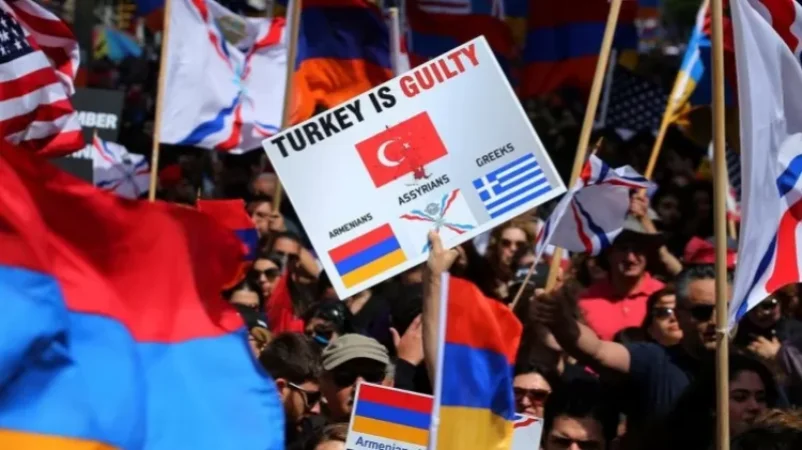
The prestigious Time magazine has published an article titled "Don't Just Remember the Armenian Genocide; Prevent Its Recurrence." The author is Thomas Becker, a senior leader at the Human Rights University Network. Below is a partial excerpt from the article:
“Every year on April 24th, we remember the Armenian Genocide of 1915, during which up to 1.5 million Armenians were killed by the Ottomans. But this year, we must also reflect on today, as Armenians face a new wave of atrocities that the world watches with indifference. Over the past year, ethnic Armenians have faced killings, sexual mutilation, cultural destruction, inhumane declarations from authorities, and a constant threat of attacks—all coming from Azerbaijan, with direct military and economic support from Turkey, the successor state to the Ottoman Empire. The situation has reached a humanitarian crisis, as Azerbaijan has obstructed the movement of families, food, and medical supplies across the border with Armenia, a move condemned by the International Court of Justice and just yesterday, by the U.S. State Department.
For today’s Armenians, this danger resurfaced in September 2020, when Azerbaijan launched an attack on Nagorno-Karabakh,” the author writes, recalling the 44-day war and its consequences. Becker observes that while the war may have ended for the world, the brutality against Armenians continues on the ground.
“But what struck me most during my recent fact-finding visit to Armenia, my third in the past year, is that the human rights violations I previously witnessed in Nagorno-Karabakh—including indiscriminate killings, torture, and arbitrary detentions—are now being carried out with impunity by Azerbaijan in sovereign Armenian territory,” Becker continues, detailing that he and his team documented instances of recent bombings by Azerbaijan in Armenia.
“The most troubling perhaps are the videos shown to us by a woman who had fled from her village, depicting Azerbaijani soldiers beheading and dismembering the bodies of her neighbors. And as we met with victims of torture and displaced families, we remained vigilant, as Azerbaijani soldiers, stationed nearby in Armenian territory, were shooting at people within their line of sight. Azerbaijan's preparations, persecutions, dehumanization, and denial—each considered a 'phase' of genocide—have prompted Genocide Watch to issue a genocide warning for the Armenians under attack by Azerbaijan. Other members of the international community, including the United States, have also expressed alarm. Following the shelling of Armenian villages last September, then-Speaker of the House Nancy Pelosi and Congressman Adam Schiff condemned Azerbaijan's attacks, while Bob Menendez, chair of the Senate Foreign Relations Committee, called for an immediate stoppage of economic aid to Azerbaijan. However, the outrage was ephemeral, and Azerbaijan has yet to be held accountable.
Two years ago on this day, U.S. President Joe Biden made history by formally recognizing the Armenian Genocide, promising to “remain vigilant against the corrosive impact of hatred in all its forms” and “reiterate the commitment to speak out against and end the atrocities that leave lasting scars on our world.” For Biden’s statements to mean more than just words, the U.S. government must take steps to curb Azerbaijani attacks against ethnic Armenians and any further incursions into sovereign Armenian territory. Those who commit gross violations against Armenians must be held accountable.
Throughout nearly every interview conducted during our fact-finding journey, one theme was predominant: Armenians and residents of Nagorno-Karabakh insisted that the violations we witnessed were part of a broader campaign to uproot Armenians from the region. While some may characterize these claims as alarmist, statements from high-ranking Azerbaijani officials suggest otherwise. Over the past decade, Azerbaijani officials have used language reminiscent of that employed during the Rwandan Genocide and the Holocaust, labeling Armenians as a 'cancerous tumor' and a 'disease' that needs to be 'cured.' Recently, the country’s authoritarian leader Ilham Aliyev has threatened to 'drive Armenians away like dogs,' regarding them as a 'sick' virus. The Baku government even issued a special stamp in 2020 depicting a person in protective gear 'contaminating' Nagorno-Karabakh.
Equally alarming are Azerbaijan’s declarations regarding the conquest of Armenia. Since Aliyev came to power, officials have stated that 'our objective is the complete annihilation of Armenians,' claiming that Armenians 'have no right to live in this region.' Aliyev has asserted that 'Yerevan is their historical land, and Azerbaijanis must return to Azerbaijani lands...That is our political and strategic goal.' Last week he declared, 'One day the Armenians may wake up to see the Azerbaijani flag over their heads.' When tyrants and warmongers speak, it is prudent to pay attention to what they say. Words may not kill, but they often lead directly to actions that do,” concludes the author.
Նմանատիպ հոդվածներ
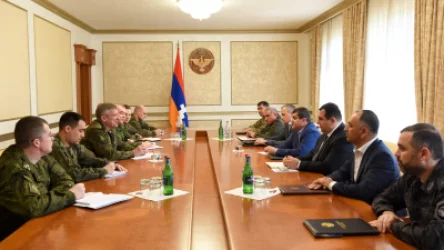
Artsakh President Welcomes Newly Appointed Commander of Russian Peacekeeping Forces

There is a chance for peace between Azerbaijan and Armenia: French Foreign Minister

Meeting of Foreign Ministers of Armenia and Azerbaijan to Take Place in Russia: Zakharova
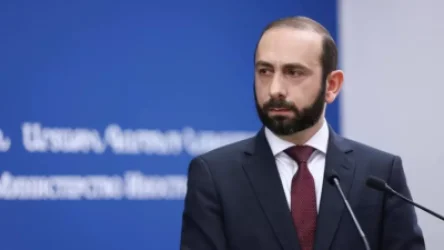
Peace Agreement with Azerbaijan to be Discussed: Mirzoyan to Visit Washington
Ավելին Politics բաժնից
Իրենք ոչ ընտրվել են, ոչ էլ՝ հաղթել. Իշխան Սաղաթելյան
Ավելի լավ կլինի, եթե ընդդիմությունը չգա խորհրդարան. Ռուբինյան
Մոսկվան պահանջում է Եվրոպայից հեռացնել ամերիկյան միջուկային զինանոցը