‘In Turkey, Armenians are seen as enemies, as shown by almost all research,’ says Turkish expert
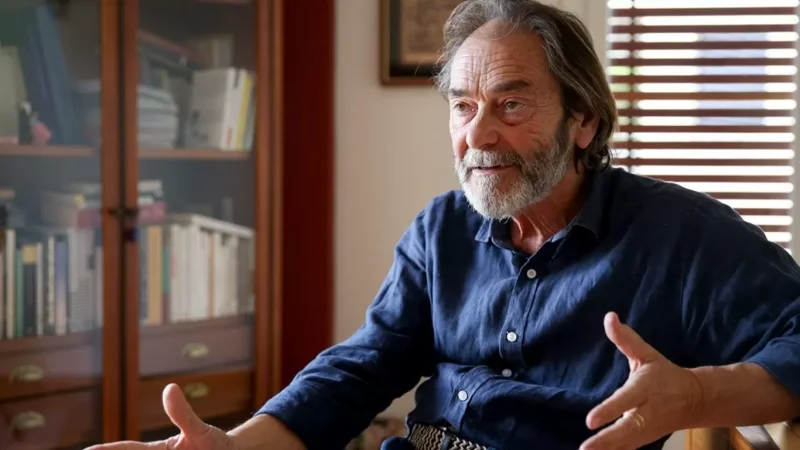
Turkey's issues with regional countries such as Libya, Egypt, Syria, Iraq are so entangled that it is impossible to ensure full resolution at this time. This opinion was expressed by Turkish political scientist, journalist, and professor at the University of Athens, Cengiz Akhtar, during a conversation with Ermenihaber.am, responding to the question of what problems Ankara is attempting to address as it shifts to a temporary “zero problems with neighbors” policy and starts reconciliation processes with countries such as Israel, Egypt, Syria, and Armenia.
“Turkey has issues with regional countries like Libya, Egypt, Syria, Iraq, and Armenia. Currently, it is taking steps towards resolution, trying to do so. The situation with Armenia is somewhat different, but the problems Turkey has with the remaining countries are so complex, interwoven, and have become so chronic that they cannot be resolved as Ankara hopes and aspires,” emphasized Professor Akhtar.
Focusing on Syria as an example, Akhtar noted that Damascus responds positively to Ankara’s initiatives, yet emphasizes that Turkey must withdraw its troops from Syria before any discussions. “However, there are many soldiers there, 40,000 troops are present, and there are numerous jihadists that Turkey feeds. How will this work? It is very, very difficult,” he stated.
Commenting on Egypt-Turkey relations, the Turkish political scientist drew attention to Egypt's demand, which is also raised by Greece. This pertains to demands for the resolution of relations with Libya, the withdrawal of troops, and the cancellation of the maritime boundary agreement addressed to Ankara. “It is impossible for Ankara to fulfill these. For that, it would need to undergo a complete reversal in its policy. Its hands and feet are tied. They say to withdraw your troops from Libya, yet Turkey earns money through this operation, it is receiving funds for keeping its troops stationed in Libya. Similarly, it is likely receiving money from Azerbaijan as well. That is, the Turkey-Azerbaijan military contract cannot be a free contract. It is not some arrangement made for the ‘dark-eyed and dark-browed’ Azerbaijanis; it cannot be that way, as Turkey is providing military service there,” the scholar noted.
Discussing what the Turkish people think about Ankara's reconciliation processes, Akhtar emphasized that the general population largely lacks a comprehensive understanding of foreign policy processes. “Like in almost all large countries, and Turkey is a large country, people generally do not understand foreign policy, they do not know. For example, if you ask someone in Turkey to show Azerbaijan on a map today, many will be unable to do so. They would also not be able to identify Armenia, as they do not know where it is. For instance, there was a previous incident concerning Cyprus when they showed Cyprus on a map in the Black Sea. They do not know; however, the people in Turkey are essentially very open to nationalist propaganda. Let’s consider the case of reconciliation with Armenia. For example, if someone stands up and says that the border with Armenia should not be opened, there will not be another person to argue otherwise. There is such a sensitive point. One of the most harmful consequences of the denial of the Armenian Genocide is the existing negative attitudes towards Armenians in Turkey. Generally, Armenians are seen as enemies, as shown by almost all research. It is not only Armenians; Greeks and others are also involved. Since there has been no confrontation with what was done to them, they know nothing; they know everything in the opposite manner,” the political scientist stressed.
Նմանատիպ հոդվածներ

Ավելին Politics բաժնից
Իրենք ոչ ընտրվել են, ոչ էլ՝ հաղթել. Իշխան Սաղաթելյան
Ավելի լավ կլինի, եթե ընդդիմությունը չգա խորհրդարան. Ռուբինյան
Մոսկվան պահանջում է Եվրոպայից հեռացնել ամերիկյան միջուկային զինանոցը