Drop in Livestock Numbers Registered in Gegharkunik Region: Causes Identified
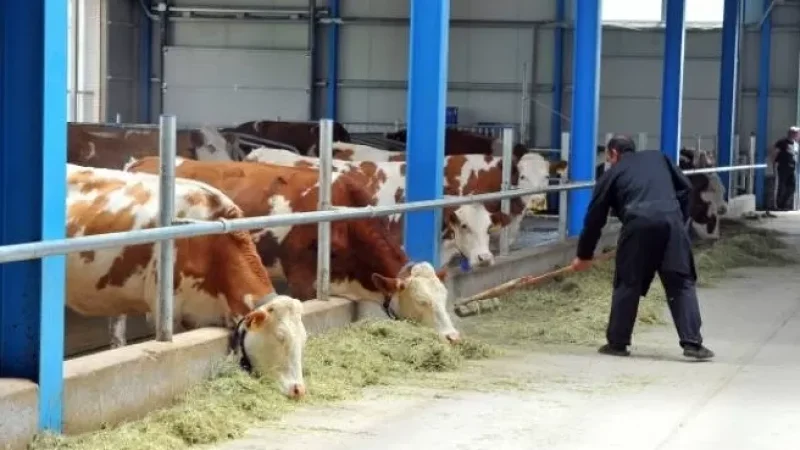
In the Gegharkunik region, a drop in livestock numbers has been recorded compared to 2022, attributed to drought and Azerbaijani aggression. During the first meeting of the regional council, Gegharkunik Governor Karen Sargsyan was informed by Martin Petrosyan, head of the Governor's Office's Agriculture and Environment Department.
“As of January 1, 2023, there are 78,859 heads of large livestock, 95,116 heads of small cattle, and 9,570 pigs registered in the region. In 2022, 11,835 hectares of autumn crops were cultivated in the region, which is an increase of 2,228 hectares compared to 2021,” Petrosyan stated.
He also reported that the 1,362 tractors and 1,144 agricultural implements available in the region's communities are sufficient for timely and quality spring cultivation in 2023.
“We are expecting an extremely intense and responsible working period, which I am confident we can overcome only through joint efforts,” noted Karen Sargsyan.
Artash Sardaryan, executive director of the Gegharkunik Water Supply Company, added that preparations for the irrigation season are set to begin in April. Works will be carried out on the renovation and cleaning of pumping stations and water channels, as well as the regulation of reservoirs and other areas to ensure readiness for the irrigation season.
It is noteworthy that from September 13, 2022, Azerbaijani military units have been intensively firing artillery and large-caliber firearms in the directions of Goris, Sotk, and Jermuk. The adversary has also utilized drones. A ceasefire regime along the Armenian-Azerbaijani border was established starting from 20:00 on September 14, which is periodically violated by the Azerbaijani side.
Նմանատիպ հոդվածներ

Ավելին Economy բաժնից

9 եվրոպական երկիր և Ուկրաինան կստեղծեն բալիստիկ հրթիռներից պաշտպանության միասնական համակարգ
Շոգի պատճառով Ֆրանսիան ժամանակավորապես դադարեցրել է 3 ատոմակայանի աշխատանքը
Իրանը զգուշացրել է ԱՄՆ-ին՝ Հորմուզի նեղուցին միջամտությունը կհամարվի ագրեսիա