Aggressive Actions and an Ultra-Nationalist Approach: Ararat Mirzoyan on Azerbaijan's Rejectionist Policies
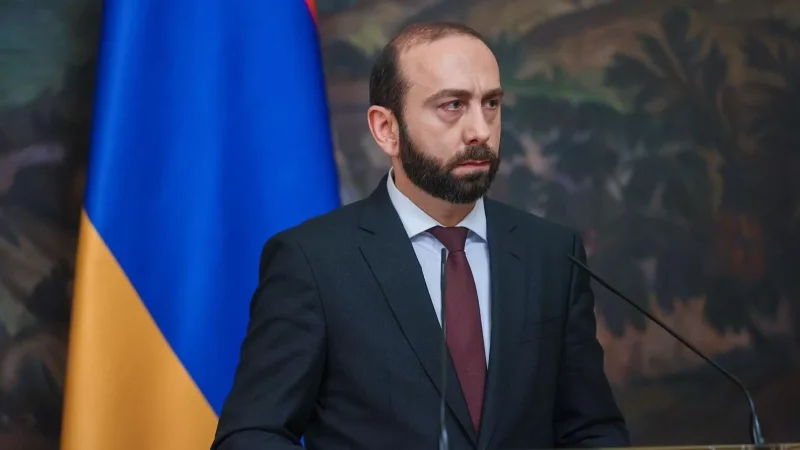
The Minister of Foreign Affairs of Armenia, Ararat Mirzoyan, gave an interview to the leading Egyptian media outlet, AlQahera News. The interview was fully disseminated by the Armenian Ministry of Foreign Affairs. Here is an excerpt from the Q&A:
Question: What can you say about Armenia's willingness to activate dialogue with Azerbaijan regarding the normalization of relations? What issues are being discussed in this regard?
Answer: Since the 2020 war, during the past two years, the Armenian government has been sincerely engaged in negotiations with Azerbaijan, motivated by the political will to achieve long-term and comprehensive peace in our region. There are separate avenues of negotiation: the first is the opening of all transport communications in the region, the second is delimitation and border security, and the third is the establishment of a peace agreement between Armenia and Azerbaijan.
Our position regarding communication is clear: Armenia is ready for the opening of all communications at the moment when Azerbaijan accepts that the roads should operate under the sovereignty and jurisdiction of the countries through which they pass. Unfortunately, in connection with delimitation, just months after the formation of the respective commissions in 2022, Azerbaijan not only presented new territorial demands but also executed another incursion into the sovereign territory of Armenia, attempting to justify its aggression with the false argument that the borders have not been delineated.
Regarding the peace agreement, I must mention that since December 2022, we have exchanged several proposals for the draft agreement, seeking to advance the process and find fair solutions to key issues. Thus, one of the Armenian side's proposals is to specify the criteria for delimiting the state border, because in our view, without clearly agreed criteria regarding the delineation of interstate borders between Armenia and Azerbaijan, the two countries cannot ascertain what territorial integrity they mutually recognize, which will lead to another clash instead of establishing peace.
Next is the withdrawal of armed forces from the state border and the creation of a demilitarized zone along the border as a confidence-building measure and a security mechanism, which will help prevent any possible escalation. Undoubtedly, as an important component, there should be an international mechanism that will address the rights and security issues of the Armenians in Nagorno-Karabakh.
Unfortunately, in response to our efforts, we are witnessing not only Azerbaijan's rejectionist and ultra-nationalist approach during the negotiations but also aggressive actions. Recently, on March 2-3, violations of the ceasefire were followed by a coordinated sabotage attack by Azerbaijan in the Lachin corridor on March 5, resulting in the death of three servicemen from the Nagorno-Karabakh police. These actions once again highlight Azerbaijan's lack of sincerity in the resolution process, as well as its continued reliance on the use of force.
In parallel with these actions, Azerbaijan regularly backtracks on commitments, continues the rhetoric of hatred and xenophobia, and refuses to resolve humanitarian issues, including the ongoing detention of 33 Armenian prisoners of war confirmed by itself. The fate of many more Armenians remains unknown, and we have informed our partner organizations about such cases of enforced disappearances. The Armenian religious and cultural heritage that came under Azerbaijan's control in 2020 is facing an escalating threat of complete destruction. All of this poses a challenge to efforts aimed at establishing long-term peace and stability in the region.
Question: In your opinion, what is the possible solution for lifting the blockade of the Lachin corridor?
Answer: First and foremost, the blockade of the Lachin corridor by Azerbaijan is a gross violation of the tripartite statement of November 9, 2020, which stipulates that Azerbaijan “guarantees the safety of movement of citizens, vehicles, and cargo in both directions through the Lachin corridor.” It could have been assumed that the legally binding decision made by the International Court of Justice on February 22 could resolve the situation, as the court obliged Azerbaijan to take all necessary measures to ensure uninterrupted movement through the Lachin corridor. It is regrettable that this court ruling has yet to be implemented.
Furthermore, I want to emphasize that the Lachin corridor is not just a road but also a 5-kilometer security zone. Thus, the Azerbaijani diversion carried out on March 5 in the Lachin corridor, which I mentioned earlier, violates not only the ceasefire agreements but also breaches the line of contact and the security zone of the corridor.
In this context, I would like to stress the imperative of active international involvement and pressure on Azerbaijan to implement the International Court of Justice's ruling and to lift the blockade. Armenia has called for the immediate dispatch of an international fact-finding mission to Nagorno-Karabakh and the Lachin corridor to assess the situation on the ground. It is no secret that such a mission proposal has been repeatedly rejected by Azerbaijan, clearly demonstrating the leadership's lack of willingness to be transparent and accountable before the international community.
Question: Is there any dialogue or international involvement regarding the Nagorno-Karabakh issue?
Answer: For almost three months, while blocking the only road connecting Armenia to Nagorno-Karabakh, the Lachin corridor, and creating a humanitarian crisis in Nagorno-Karabakh, Azerbaijan continues to terrorize the Armenians in Nagorno-Karabakh by creating inhumane living conditions with the ultimate goal of carrying out ethnic cleansing. Alongside the humanitarian crisis, Azerbaijan has also incited an energy crisis in Nagorno-Karabakh. In the cold winter conditions, the Azerbaijani authorities have regularly disrupted and continue to disrupt the supply of gas and electricity.
Azerbaijan's actions, as well as its aggressive and ultra-nationalist rhetoric, have proven the absolute necessity for international involvement to address the rights and security issues of the people of Nagorno-Karabakh, as well as to prevent Azerbaijan's blatant attempts to carry out ethnic cleansing in Nagorno-Karabakh. The international community, including our partners and friends in the Arab world, must clearly oppose any ideology and actions aimed at preparing for another genocide; the international system cannot allow such another failure.
In conclusion, despite all the risks and the fragile situation surrounding my country, Armenia remains determined to contribute to the establishment of a stable region, a region where peaceful living will not just be a dream for our generations.
Նմանատիպ հոդվածներ
Aliyev's Militaristic Rhetoric Aims to Disrupt Stability Efforts and Resort to Widespread Use of Force: Papikyan
In Artsakh's Dire Humanitarian Situation, a Revelry of Hatred: Artsakh Foreign Ministry on 'Eco-Activists' Blocking the Lachin Corridor
Azerbaijan Again Blocks Gas Supply from Armenia to Artsakh
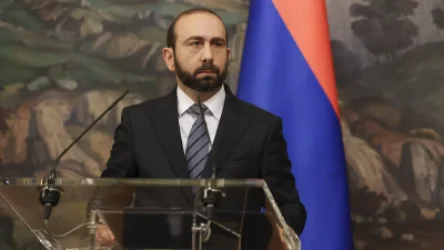
Azerbaijan Claims Almost All Territory of the Republic of Armenia: Ararat Mirzoyan
Ավելին Politics բաժնից

Յուրօրինակ ընտրություն` Վարդենիսի ընտրատեղամասերից մեկում
Առջևում լինելու են բեկումնային զարգացումներ. «Միասնության թևեր»-ի հայտարարությունը
Վահագն Ալեքսանյանը հայտնել է Արագածոտնի մարզի 12 ընտրատեղամասերում վերահաշավարկի արդյունքները