Supreme Judicial Council President Bans Judges from Unapproved Contacts with Media: Alexander Azaryan
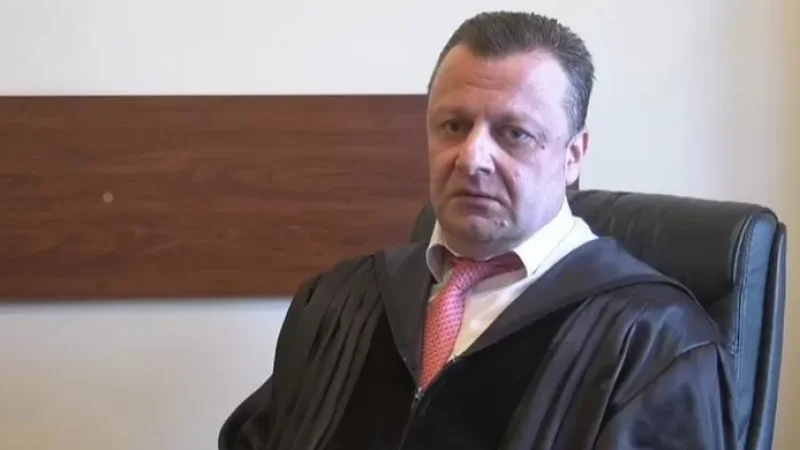
The President of the Union of Judges of Armenia, Alexander Azaryan, has issued a statement noting that the Supreme Judicial Council (SJC) is a collegial constitutional body that has been operational for nearly five years. On March 17, 2023, SJC President Karen Andreasian summarized his six-month term ahead of the general assembly of judges.
By bypassing the non-legal elements present in Andreasian's speech as President of the SJC, it is necessary to note that he has not refrained from previously expressing negative qualitative assessments and insinuations towards judges, which contain defamatory labels. This unacceptable conduct has continued both in his latest speech and in separate meetings with judges, as well as during court sessions of the SJC.
During his six-month tenure, which has been unprecedented, the independence, immovability, and constitutional principles and guarantees of free speech for judges have not been so significantly restricted and violated in such a short period.
As a political figure and former Minister of Justice, Andreasian, along with the current Minister of Justice, who is a close friend, has engaged in restricting constitutional guarantees that ensure judges' independence and immovability. This includes legislative changes aimed at curtailing these principles, selective and arbitrary disciplinary proceedings against several judges, holding them accountable, and revoking the powers of respected and esteemed judges within the legal community.
Notably, despite the severe and unprecedented negative opinions from reputable international organizations regarding the retroactive application of laws that worsen an individual's situation (see Venice Commission Opinion No. 1074/2021 C), they have initiated several legislative amendments and established disciplinary proceedings against judges based on those changes.
By launching selective disciplinary proceedings, they have also suspended judges who previously committed no offenses but were found to have breached deadlines due to heavy case loads, as well as those who exercised their right to free speech.
Following legislative amendments initiated by the Ministry of Justice and Karen Andreasian in December 2022 (which he calls rays of light), the tenure of over 17 judges responsible for overseeing pre-trial proceedings for one year was terminated, granting them the status of reserve judges (see Law HO-575-N of December 27, 2022). The official reasons cited for their removal included having undergone incomplete, short-term training before becoming judges.
However, simultaneously, the same legislative amendments provided the opportunity for individuals without prior training to become judges through a special qualification exam, without the requirement of theoretical and practical training. This means that judges with over a year of experience but who underwent short training were subjected to additional study requirements and removal from office (with a possibility of receiving a salary without working), while individuals with no experience could be appointed as judges without any training requirement.
Furthermore, during Andreasian’s tenure as Minister of Justice, the 2022-2026 Strategy for Judicial and Legal Reforms, approved by the government on July 21, 2022, identified the court overseeing pre-trial proceedings as a significant achievement, considering it genuinely independent and free from corruption and favoritism, essential for an efficient judicial power.
The same legislative package granted the SJC the arbitrary authority to suspend or terminate the powers of judges facing criminal prosecution, only to be reinstated after justification, while also allowing the SJC to unconditionally remove candidates from judicial candidate lists without providing any rationale, which the SJC President now freely exercises.
Additionally, these changes have not been subjected to public discussion, some were neither presented nor discussed with judges, and the consulted changes received exclusively negative feedback. Meanwhile, amendments incompatible with the independence and immovability of judges are presented to the public by the SJC president as laws purportedly discussed with judges.
Moreover, during the same period, the opportunity to form a Supreme Judicial Council according to the Constitution has been hindered. Notifications for the emergence of vacant positions for SJC members have not been sent to all courts and judges meeting the nomination criteria, and no reasonable logic or explanation for these actions has been provided.
Finally, under the pretext of establishing a so-called
Նմանատիպ հոդվածներ

Intestinal Bacilli and Yeasts: 4 Out of 10 Samples of Sour Cream Found Non-Compliant

Photos: Yerevan After Tree Felling Sparks Outrage on Social Media

The Prosecutor's Office Failed to Discover Part of Taron Margaryan's Assets: Hetq

Metro to operate one hour longer tomorrow, trains running until midnight: City Hall
Ավելին Society բաժնից

Բաքվից Հայաստան է ուղարկվել 490 տոննա ռուսական ցորեն

«Արծիվ գործընկեր-2026»․ Հայաստանում կմեկնարկի միջազգային խաղաղապահ զորավարժությունը

Սևանա լիճը բարձրանում է ռեկորդային տեմպերով․ 11 սմ՝ ընդամենը 15 օրում