Intestinal Rods, Yeasts, and Molds: Which Cottage Cheese is Safe?
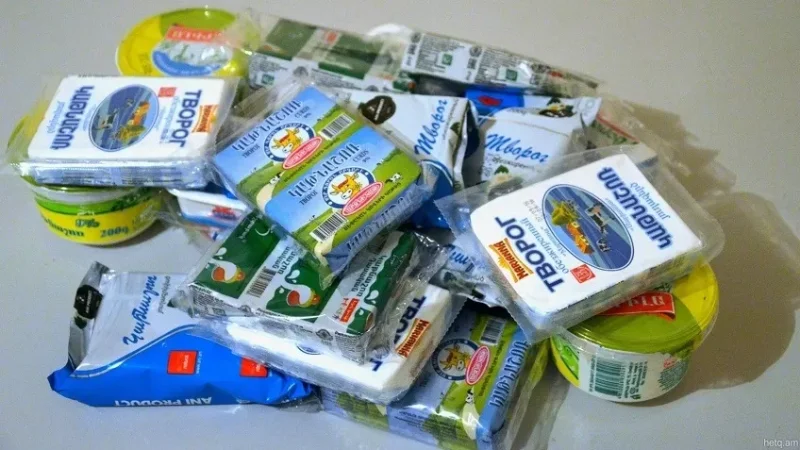
On March 2, Hetq conducted an examination of 10 samples of cottage cheese widely consumed in the market. Before sending them to the laboratory, the samples were taken to the Biology Faculty of Yerevan State University, where they underwent a blind taste test on one sample while the others were prepared for disinfection (the cottage cheese was transferred to a sterile container for laboratory testing, numbered, and sent for examination).
Students from the faculty participated in the blind tasting, assessing the taste, smell, and quality characteristics of the products. At the end of the tasting, they were required to vote for only one sample they preferred.
Hetq reports that to maintain the thermal regime, the samples were sent to the laboratory in a refrigerated manner. The examination was conducted by the “Standard Dialog” laboratory. At the time of publication, the samples that had been tested were past their expiration dates and were no longer being sold in stores.
The results are as follows: Out of the 10 samples of cottage cheese submitted for examination, only 2 met the established standards. These were the cottage cheese from the “Tamara” and “Ani” brands. In 5 out of the 10 samples, intestinal rod group bacteria were detected, including products from the brands “Biokat,” “Chanakh,” “Ashtarak Milk,” “Arzni,” and “Bonilat.” Additionally, 8 out of 10 samples revealed an unacceptable high quantity of yeasts, including products from “Mariana,” “Biokat,” “Chanakh,” “Ashtarak Milk,” “Arzni,” “Marila,” and “Father and Son Yeremyans” brands.
The presence of an unacceptable quantity of molds was found in 4 samples: those from brands “Mariana,” “Biokat,” “Ashtarak Milk,” and “Arzni.” At the same time, deviations in three indicators—intestinal rods, as well as high levels of yeasts and molds—were detected in three samples from “Biokat,” “Ashtarak Milk,” and “Arzni.”
There was also a deviation in three indicators found in the “Bonilat” product, specifically, the presence of intestinal rods, a high quantity of yeasts, and a lack of lactic acid bacteria below the required amount. In three samples, the count of lactic acid bacteria was below the established norm: these include “Marila,” “Bonilat,” and “Yeremyan Products” cottage cheeses.
Labeling violations were found in 4 samples—“Ani,” “Marila,” “Bonilat,” and “Yeremyan Products”—where the product name was provided only in English instead of the required Armenian and Russian languages.
According to the voting, the most votes for “preference” were received by “Mariana” cottage cheese with 5 votes, “Yeremyan Products” received 3 votes, while “Ani” and “Bonilat” each obtained 1 vote.
Նմանատիպ հոդվածներ

Activity of the Surmalu Market Suspended

‘They were flying drones, I covered myself in snow so they wouldn’t see me’: Soldier Lost in Azerbaijani Territory Shares His Experience

Three Government Employees in Critical Condition Following Accident: New Details

ALERT: Where Are the Cut Trees of Yerevan Being Taken? Are They Being Sold?
Ավելին Society բաժնից

ՏԵՍԱՆՅՈՒԹ.Թող աշխատենք, որ ավելանա տատի թոշակը. «Առինջ մոլի» աշխատակիցների բողոքի ակցիան

Արցախցի երեխայի հեղինակած նկարը, որը հեռացվել էր դպրոցից, վաճառվել է աճուրդով

«Առինջ մոլի» աշխատանքը խաթարված է. աշխատակիցները բողոքի ակցիա են անում