We demand not to sign any document recognizing Artsakh as part of Azerbaijan. Statement

The "Unity" movement operating in the Republic of Armenia, along with organizations such as the "5165 Movement", "Arar Foundation", "Genesis Armenia Foundation", "Alternative Projects Group", Armenian Association of Political Scientists, and the "Conceptual Platform" project, has released a statement demanding the current authorities in Armenia to clearly refuse to sign any document recognizing Artsakh as part of Azerbaijan.
This statement was made by the co-organizers of the scientific-practical conference entitled "The Imperative of International Recognition of the Republic of Artsakh" held in Yerevan on February 24-25, 2023, with the blessing of the Mother See of Holy Etchmiadzin.
The statement is presented below:
"We, the co-organizers of the scientific-practical conference, based on the ideas, arguments, and scientific justifications found in the academic reports and practical speeches during the conference, affirm that Artsakh has never been part of an independent Azerbaijan; moreover, the Republic of Artsakh is an established state. Historically, Nagorno-Karabakh has been an Armenian territory for millennia, and during 1918-1920, when Azerbaijan first exhibited its claims on the territories of Nagorno-Karabakh, it was unequivocally recognized in all international reports as a territory populated by Armenians. Only after the establishment of Soviet rule, through internal administrative territorial division, was it forcefully annexed to Soviet Azerbaijan, even then retaining the status of an autonomous region.
The legal basis for Artsakh’s independence aligns with international law's standards, providing equal rights for self-determination of nations. The factual grounds for Artsakh’s independence are not only its ethnic, territorial, socio-cultural, economic, and historical independence but, above all, the existential necessity for its people to not be subjected to genocide by Azerbaijan.
The international community has never expressed a legal or political position stating that Artsakh should be considered part of Azerbaijan. In 2007, the co-chairs of the OSCE Minsk Group proposed the Madrid Principles, which were accepted by Armenia and Azerbaijan in 2009 as a basis for negotiations, affirming the right to self-determination along with the principle of territorial integrity.
The international legal foundations for the establishment of the Republic of Artsakh are irrefutable, and any retreat from these principles is unacceptable. It is also impermissible to consider the issue of Artsakh outside the context of the existential challenges faced by the Armenian nation.
Recognizing Artsakh as part of Azerbaijan, especially formalizing it with any legal document, constitutes a renunciation of the struggle for the right to self-determination and not only fails to guarantee the territorial integrity of the Republic of Armenia and the physical safety of its population but rather leads to the inevitable demise of the Armenian statehood and the irreversible process of genocide against the Armenian people, as Azerbaijan does not hide its genocidal intentions not only towards Artsakh but also towards the Republic of Armenia. Its numerous hate-driven actions and rhetoric reject the fundamental right of the Armenian people to exist in their historical homeland.
The political and diplomatic mechanisms and possibilities for the international recognition of the Republic of Artsakh are by no means exhausted. From a legal-political standpoint, claims disseminated by the government’s propaganda machine asserting that Armenia recognized Azerbaijan's territorial integrity, including Artsakh, since December 21, 1991, with the Alma-Ata declaration, are bankrupt. Likewise, claims suggesting that the international community views Artsakh as part of Azerbaijan are false and unfounded.
The international community is not rushing us into signing a “peace agreement” with Azerbaijan, which would lead to further aggression, unfounded territorial claims, and reparations of unimaginable scale, the cost of which would fall on the entire Armenian population, ultimately resulting in the loss of the Republic of Armenia's sovereignty and its actual destruction.
Although the co-chairing states of the Minsk Group have significant geopolitical disagreements, they still maintain a balanced position based on prominent international legal principles regarding the resolution of the Nagorno-Karabakh issue. All three co-chair states have clarified that the issue of Artsakh's status is not closed following the 44-day war of 2020. Numerous statements from various countries and international organizations regarding the blockade of the Berdzor corridor further prove that the international community understands that the self-determination of Artsakh is not at all a question of secession.
It differs from initiatives pertaining to the realization of the right of national self-determination that occasionally arise in civil countries; this is the only realistic path for physical survival and the prevention of genocide.
All the negotiation preconditions presented by the Republic of Armenia (the de-occupation of Shushi, Hadrut, and other territories of the Republic of Artsakh, the return of refugees, the restoration of either the existing mediation format or the establishment of a new format, the fulfillment of obligations undertaken by Azerbaijan as per the November 9, 2020 statement, among others) will be accepted and understood by international actors, effectively neutralizing Azerbaijan's aspirations to terminate the negotiation process with a new act of capitulation.
The Republic of Armenia also has the opportunity to hold Azerbaijan accountable in international courts for its various acts of military, genocidal, and other inhumane crimes, thereby strengthening its own negotiating positions.
The Armenian diaspora still has significant untapped lobbying potential, but the current trajectory of the Republic of Armenia's authorities contradicts the continuous logic of the diaspora Armenian organizations' operations and deprives them of necessary effectiveness while also creating a rupture in terms of how foreign diplomatic decision-making centers perceive a unified Armenian stance.
Supporting the international recognition of the Republic of Artsakh, with the prospect of reunification with the Republic of Armenia, is a constitutional obligation of the authorities of the Republic of Armenia. This obligation stems from the Declaration of Independence of the Republic of Armenia and its Constitution. A de facto renunciation of this constitutional obligation is not only illegal but also constitutes betrayal of the vital interests of the Armenian people and will inevitably lead to legal and political responsibility.
The struggle for the international recognition of the Republic of Artsakh is the central mission of the Armenian people. This struggle must gain new momentum, removed from the logic of domestic political disputes and geopolitical preferences. Today, the significant indifference shown by substantial segments of the younger generation regarding the fate of Artsakh must also be overcome and immediately linked with civil responsibility and the imperative of having a viable homeland.
Both co-organizers and all organizations that share their ideas have a direct obligation to restore the determination of our youth to bring the national liberation struggle to a logical conclusion and must do everything possible to engage our youth in this struggle.
Based on the above, we are resolute in employing every available means to prevent the current authorities of the Republic of Armenia from continuing their illegal and destructive policies regarding the issue of Artsakh. We demand that the current authorities of the Republic of Armenia clearly refuse to sign any document recognizing Artsakh as part of Azerbaijan and expect the support of all our compatriots concerned for the fate of the homeland in this regard, calling on all public and political forces of Armenia, Artsakh, and the Armenian diaspora to form a united front around the agenda of the international recognition of the Republic of Artsakh."
Նմանատիպ հոդվածներ
Jermuk Group Issues Clarification Regarding Suren Papikyan's Apartment
Ruben Vardanyan is one of my closest friends: Araik Harutyunyan's statement
Azerbaijan and Turkey Prepare for Ethnic Cleansing in Nagorno-Karabakh: Member of European Parliament
There is a Political Will to Overcome the History of the Conflict: Toivo Klaar
Ավելին Politics բաժնից

Մենք բավականին լավ ենք շփվում նրանց հետ. Թրամփ
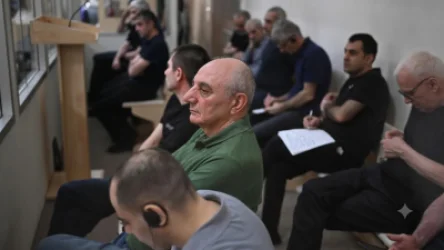
Բաքվում շարունակվել է հայ գերիների գործի քննությունը
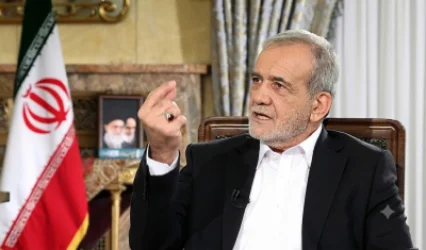
Փեզեշքիանի կոշտ ուղերձը Վաշինգտոնին