If the Peace Treaty is Signed in This Form, Artsakh Will Turn into Nakhichevan: Oskenyan
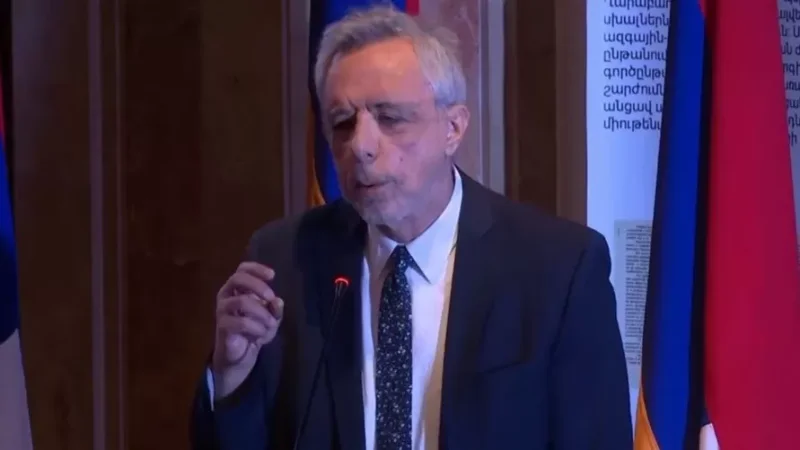
There is substantial evidence that the Armenian authorities have, at this moment, verbally and somewhat in document form, consented to the inclusion of Artsakh within Azerbaijan, as evidenced by the Prague trilateral statement. This was stated by former Armenian Foreign Minister Vardan Oskenyan during a scientific and practical conference titled 'The Imperative of International Recognition of the Republic of Artsakh.'
“This is a very dangerous circumstance. It will gain international recognition when the so-called peace agreement is signed. What is being pursued today in the diplomatic sphere is that Armenia, in cooperation with Azerbaijan and intermediaries, is attempting to package the concept of leaving Artsakh in Azerbaijan in a way that obscures this fact. This is the diplomatic work that is ongoing today. If they succeed, it will be presented as an achievement,” noted Oskenyan.
According to him, this packaging has two manifestations: one is linguistic-content-based, and the other is stylistic-PR-based. “Here, it will be very difficult for the Armenian authorities to blur, package, or hide the fact that Artsakh is being left within Azerbaijan. It is clear that Azerbaijan will insist that this issue be clearly articulated in black and white in the peace treaty. The obscuring will relate to provisions claiming that, despite Armenia admitting that Artsakh should be part of Azerbaijan, there will be a dialogue between the Armenian population of Artsakh and Baku, creating the impression that the people of Artsakh have the opportunity for self-determination and, supposedly, this window of opportunity is open,” Oskenyan emphasized.
He declared that if the treaty is signed with the content he described, at the moment this document is signed, Artsakh will turn into Javakheti. “But the difference between Javakheti and Artsakh is that in a few years, Artsakh will turn into Nakhichevan,” said the former Armenian Foreign Minister.
Referring to the stylistic-PR packaging, he stated that there are two factors at play: the reasoning of inevitability and the absence of alternatives. “I reject the thesis that the authorities use to justify their impotence, inactivity, and failures. They say that there was a war which was inevitable because we inherited a bad legacy. We lost, it was inevitable because we lack an army, and today it is inevitable that Artsakh remains in Azerbaijan because there is no alternative. These three are all false and unfounded theses,” Oskenyan added.
Նմանատիպ հոդվածներ
Ավելին Politics բաժնից
Ռոբերտ Քոչարյանին «Զվարթնոց» օդանավակայանում արգելել են հատել ՀՀ սահմանը․ Միկոյանը պարզաբանում է
Չնայած Ռուսաստանի ճնշմանը՝ հայերը ընտրեցին իրենց ապագան․ Կալլաս
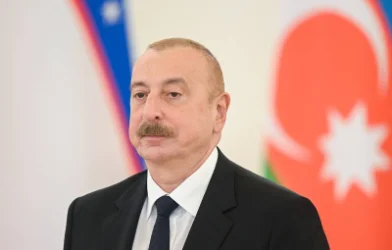
Իլհամ Ալիևը Հայաստանի վերաբերյալ նոր հայտարարությամբ է հանդես եկել