Technology Developed in the U.S. Allows Text Entry into Computers Using the Power of Thought
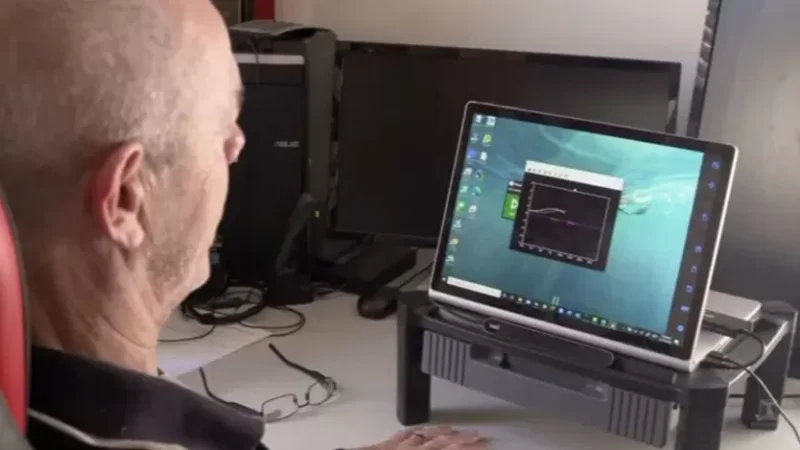
The American startup Synchron, specializing in the creation of brain-computer interfaces, has developed a technology that will enable paralyzed individuals to type text using only their thoughts.
With the help of a neuroimplant called Synchron Switch, which is inserted into the brain through the vascular system, a person who has suffered a stroke will be able to control the computer's cursor with their mind. This innovation aims to help those who have had strokes or suffer from degenerative diseases to regain their ability to communicate with the outside world by sending messages, making online purchases, and more.
So far, seven successful surgeries have been performed to implant the Synchron Switch chip, with four conducted in Australia and three in the U.S. To prove the safety of the Switch implant's use, the company must conduct at least six additional surgeries in the U.S.
Synchron's CEO, Tom Oxley, stated that the loss of the ability to send text messages isolates individuals in an unimaginable way, and restoring that ability emotionally revitalizes a person's strengths. Synchron assures that the company's funding will help accelerate product development and initiate key clinical trials, bringing the technology closer to commercialization. Notably, in December 2022, Synchron was able to attract $75 million in investments. Investors include Microsoft CEO Bill Gates and Amazon owner Jeff Bezos.
The results of testing the BCI Synchron system in Australia showed in January of this year that the technology is safe, with signal quality or performance not deteriorating up to 12 months post-surgery.
Synchron was founded by Dr. Tom Oxley and Professor Nick Opie in 2016. The company is based in New York, but its research and development divisions are located in Melbourne, Australia. Nick Opie has worked on this concept for over a decade. The technology he developed for chip implantation does not require open brain surgery; instead, a minimally invasive procedure is used, where the chip is implanted in one of the blood vessels close to the brain.
Synchron's technology is currently undergoing clinical trials in the U.S., where it is being tested for performing daily tasks such as sending text messages, emails, online shopping, and more.
Elon Musk’s Neuralink, which is also involved in brain implant technology, announced at the end of 2022 that it plans to begin human brain implant trials in 2023. Neuralink is currently working on refining a product that consists of a small device with wires connected to electrodes, as well as a robot designed to cut a portion of the human skull to implant the chip in the brain. The goal of this device is to assist individuals suffering from the aftermath of strokes, enabling them to communicate and express their thoughts through a computer.
Neuralink is additionally developing specialized chips to be implanted in the human spine, aimed at helping those unable to walk to regain their mobility.
The Neuralink technology startup was established in 2016 but remained one of Musk’s most closely guarded businesses for a long time. Practically no details about the company were available until 2019, when Musk released a photograph showing a rat with a brain implant.
Նմանատիպ հոդվածներ




Ավելին Other բաժնից

11:00 Լուրերը մեկ տողով. Զենքի գործարքներից մինչև ահաբեկչության փորձ. Եվրոպան՝ անկարգությունների ճիրաններում

10:00 Լուրերը մեկ տողով. Աղետներ Եվրոպայում. ռազմատենչ հայտարարություն Իսրայելից

09:00 Լուրերը մեկ տողով. Աղմկահարույց կալանքներ. հետախուզական տվյալներ՝ Թրամփի դեմ հնարավոր մահափորձի մասին