Ruben Vardanyan: "I realized it’s time for me to enter the struggle" – Interview with Le Spectacle du Monde
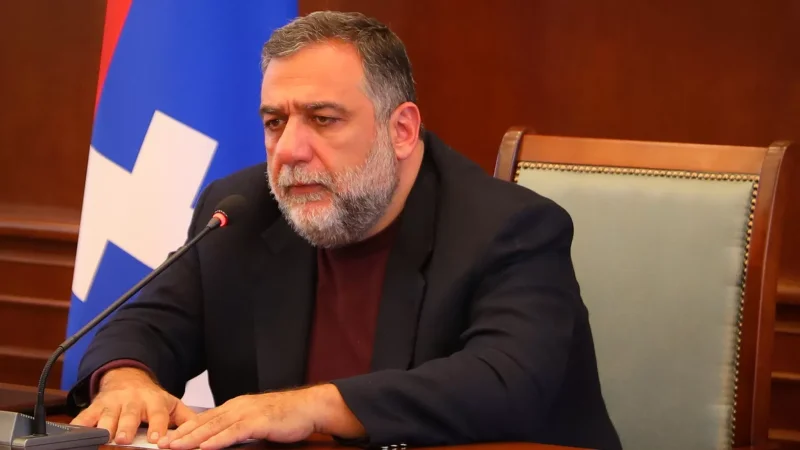
The prestigious French publication Le Spectacle du Monde has released a lengthy interview with Ruben Vardanyan, the State Minister of the Republic of Artsakh.
Under the title “Ruben Vardanyan: If not now, then when should I act?”, the article by Antoine Colonna is presented below:
“This year, Artsakh had to celebrate Christmas under blockade. You were there. For those who do not know you, it should be emphasized that you have always wanted to stay away from politics, preferring to direct part of your financial resources to help the Armenian people through educational, social, and cultural programs. It was only in November of last year, during one of the most dangerous periods in Artsakh's history, that you agreed to become the state minister of the unrecognized republic. Why?”
“Artsakh holds special significance for all Armenians and not just those born there. It is a unique historical place, one of the origins of our nation. In 2020, when Azerbaijan began its aggression, I realized that Baku was gradually continuing its plan to push the entire Armenian population out of Artsakh, and that it endangered the 30,000 children living there. My homeland was under unprecedented pressure, and I understood it was time for me to enter that struggle. With my authority, my skills, and my opportunities, when else should I act, if not now? This is a choice I made for the present, for all those living today, but also for future generations, because on this land we have lived for thousands of years and, hopefully, we will continue to live for thousands more.”
“Since mid-December, Baku has been keeping the Lachin corridor blocked, but does not dare to do it directly, using environmental 'NGOs' for that purpose. What is the reason behind this cunning?”
“The Azerbaijani government believes it can mislead Western public opinion, which is concerned about the environment. Moreover, Baku cannot violate the agreement signed with the Republic of Armenia and the Russian Federation, which guarantees free movement through that corridor. This is indeed an obvious attempt at manipulation, as any trace of an environmental protest can hardly be found in Azerbaijan, where the main industry is gas and oil extraction, which creates actual environmental issues. There has been no precedent for such protests in Azerbaijan. In reality, there is no organized civil society. There is only one family, the Aliyevs, that controls the country, and the population, despite their country being rich in natural resources, lives in quite a bit of poverty. That is why they need an external enemy. Unfortunately, Azerbaijanis are taught that Armenians are bad. This allows the country to unite against us and manipulate public opinion. This is their strategy…”
“Almost ten years ago, you, along with your colleagues, created the ‘Aurora’ Foundation and Prize in memory of the victims of the Armenian Genocide. An event that, however, does not reflect on the past of the genocide, but encourages individuals around the globe who stand up against the ongoing bloodshed in our days. Have you reaped the fruits of your labor considering all the friends you now have around the world?”
“Yes, of course, I had the opportunity to meet these people all around the world, to see their courage, their selflessness, their faith; they are individuals who do not hesitate to take on responsibilities, even at the cost of their lives. I should also add that over these years, my personal commitment has also formed. I thought that if they can take on responsibilities, then I can do the same for my people.”
“And yet, the issue of Artsakh does not seem to be of primary importance to the international community. Although Washington has raised its voice of protest, the Armenian issue is far from being a priority. Why?”
“Unfortunately, the world is governed by the principles of realpolitik. Decision-makers can ignore human rights, values, transparency; they can reserve the right to determine what is right or wrong. For example, what is currently important for Europe is gas. And it does not matter where it specifically comes from. There is always a great game underway with great political struggle. France has supported us from the very beginning. This comes from the authorities, but also from civil society. I have the impression that they support us because it resembles the story of David and Goliath. We are a small democratic country, we hold elections, and we have political parties, opposing viewpoints. Azerbaijan is an authoritarian sultanate where the sultan merges the interests of his country with his personal interests. And in France, you still pay attention to such values.”
“Do you believe that Emmanuel Macron could ask Ursula von der Leyen to abandon Azerbaijani gas?”
“I don’t know if that would be easy. What he can do, however, is to tell Ilham Aliyev and his family that they are no longer welcome guests in France, as what they are doing can no longer be accepted. That could have an impact, as autocrats are sensitive to their reputation. Therefore, I believe sanctions against the Aliyev family would be beneficial. It could be a way to convey to him that he cannot always do as he pleases.”
“Do you believe that peace with Azerbaijan is ever possible, and if so, on what basis?”
“Of course. We have a good example. France and Germany have been in confrontation for a long time, and now they have excellent relations that result in achievements such as Airbus. But it's a long road that requires much work, will, and commitment from the leaders. I also think we need to separate the perceptions of ordinary people from those of the authorities.”
“Finally, don’t you think international law should evolve to give more importance to the right of peoples to self-determination than to the inviolability of borders?”
“Yes, but it is also a question of whether peoples live under normal conditions. How can you imagine that we have rights if we are citizens of Azerbaijan when they, the Azerbaijanis, have almost no rights in their own country? Moreover, we live on the land of our ancestors, we have our history, our culture, our religion here. We want to preserve our identity. This would not be possible if we were citizens of Azerbaijan. This is so important that we must remember the tragedies of the 20th century. We must absolutely avoid any new tragedy. It is better to avoid this than to later deal with its consequences. That is why I hope that pressures on Azerbaijan will continue to hinder its continuation of what has started.”
Նմանատիպ հոդվածներ
Ավելին Politics բաժնից
Փաշինյանը ողջունել է ԱՄՆ-ի և Իրանի համաձայնությունը
Ադրբեջանի աղմկահարույց հայտարարությունը` Հայաստանի ընտրությունների վերջնական արդյունքների վերաբերյալ
Այս ընտրությունները ազգային բողոք էր. Փաշինյանը չի ստացել հայ ժողովրդի վստահությունը. Օսկանյան