The Ministry of Emergency Situations' Seismic Service Informs: Steps to Take During an Earthquake
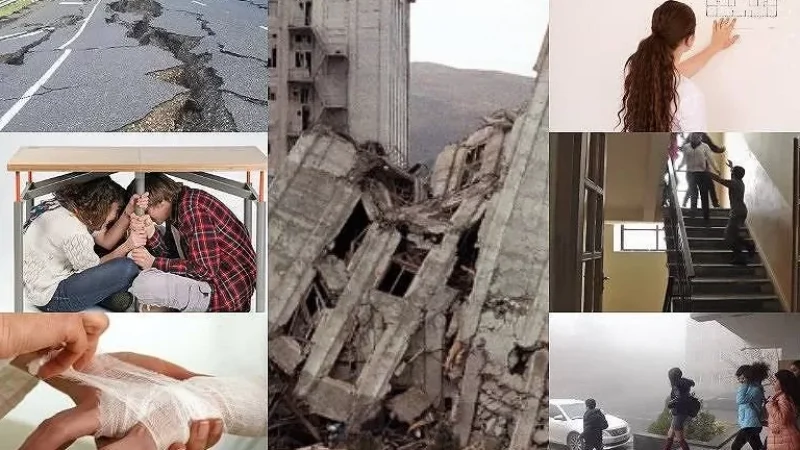
The Seismic Service of the Ministry of Emergency Situations has developed a guide on what to do during an earthquake. The guide states:
- Remember that even in the case of a devastating earthquake, buildings do not collapse immediately. Analysis of destruction in Gyumri (9 magnitude) showed that 10-story buildings began to collapse 10-12 seconds after the first tremor. This is the time during which you can take specific actions to save yourself.
- Remember that children, the elderly, and the sick need your assistance. By catering to their needs, you will not panic about your own life and can act more calmly.
- Remember that you are being searched for and every possibility for your rescue will be utilized.
If you are inside a building during an earthquake:
- If you are on the 1st or 2nd floor of a tall building, try to exit the building immediately and move to an open area.
- If you are on the 3rd floor or higher, do not attempt to leave the building; stairs and ladders will be clogged with panicked people, and elevators may turn off at any moment. Additionally, stairs and stairwells typically collapse first.
- You can stand in the main load-bearing walls of the middle part of the building, in corners formed by those walls, in door openings, and near the columns, holding a chair, bag, or other suitable object above your head to protect yourself from falling debris.
- You can also hide under a bed or table.
- Stay away from windows and exterior walls, as they collapse first to avoid being injured by broken objects.
- Be cautious of heavy and bulky objects, such as cabinets and refrigerators, which can shift or overturn.
- After the shaking stops, try to exit the building through the predetermined route.
- When exiting the building, be careful of falling debris, broken glass, and cut electric wires.
- The dust from the collapse can cause asphyxiation. Therefore, use a handkerchief, scarf, or a piece of clothing while breathing.
If you are on the street during an earthquake:
- Move away from buildings, bridges, and power lines to a safe space.
- Never enter a building to rescue those trapped inside; it is very dangerous. Stay outside while looking for ways to assist them.
If you are in a moving vehicle during an earthquake:
When a strong earthquake strikes, you cannot control the steering wheel. It feels as if you have lost control of the vehicle. During this time, to ensure you are not hitting other vehicles or being hit, slow down and move to the right side of the road. Stop in a relatively open area, away from bridges, tall buildings, and power lines. Stay in your car, listen to information provided by the car's radio receiver, and act accordingly. Access to disaster zones is strictly prohibited for all vehicles, except for specialized equipment, rescue teams, fire brigades, and ambulances.
If you are in the Metro:
While the metro is a safe shelter during bombings, it can be equally dangerous during a strong earthquake. If that is the case:
- Do not panic and ensure your safety first.
- During a tremor, hold firmly to any object, such as the luggage rack and iron poles, so you do not fall.
- During a magnitude 5 earthquake, power will be cut off, the train will temporarily stop, and emergency lights will turn on automatically at the metro station.
- Going towards the exits is dangerous and can cause panic. Follow the instructions given over the station's loudspeakers.
If you wake up to underground tremors:
- Under no circumstances use electricity; do not light matches or use a gas lighter (the gas line may be damaged). Only use a pocket flashlight.
- Do not waste time getting dressed; quickly grab a bag with your most essential items and act according to the rules mentioned in the previous points.
Նմանատիպ հոդվածներ
Turkey to Create Air Corridor for Arrival of Rescuers from Various Countries

Military Drills for Reservists to Take Place from March 1 to May 12
Zambakchyan Family Appeals to Armenian Government from Turkey for Repatriation
Armenians Accepting Azerbaijani Citizenship Will Face Rampant Anti-Armenian Sentiments, Azerbaijani Journalist Criticizes His Own Government
Ավելին Society բաժնից

Viva-ն ձեռք է բերել Ovio-ն. մանրամասներ

Ծառուկյանի տանը պահվող կենդանիները տեղափոխվում են Կենդանաբանական այգի
Լիպեցկում բենզինի իրավիճակը կտրուկ վատացել է. լցակայանները չեն հասցնում սպասարկել