Peace is Not Given, Peace is Earned: Anna Hakobyan's Statement
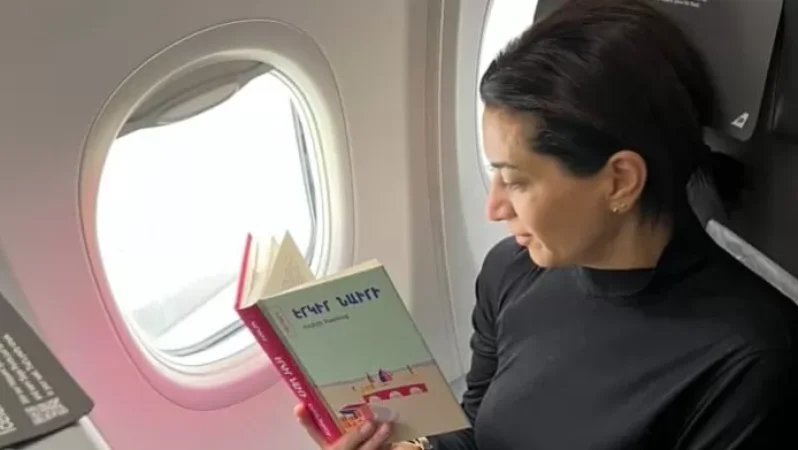
The spouse of the Prime Minister of Armenia, Anna Hakobyan, wrote on her Facebook page: "Let there be peace, we will do the rest. This dream-wish resonated much stronger at our New Year's tables this year for understandable reasons than in the past. By 'the rest,' it is implied building the country, having a developed economy, and achieving personal prosperity and public welfare.
It is a good wish, no doubt. But as much as it is a good desire, it is equally dangerous as a life philosophy. As smooth as it sounds, it makes our path to Peace impassable.
What does it mean to say, 'Let there be peace, we will do the rest'? This is akin to a person wanting to build a house for their family and declaring, 'Let the stones and cement be there, I will do the rest.' Or someone wishing to travel around Armenia with their family in their own car and saying, 'Let the car be there, I will do the rest.' Or a young man dreaming of proposing to his girlfriend, saying, 'Let there be a diamond ring, I will do the rest.'
It is clear, isn’t it? That young man will never get engaged, the other person will never build a house, and the other will never take their family on a trip by car. Just as the materials for building a house, the traveling car, or the engagement ring do not fall from the sky for anyone, neither does Peace. Just as it is absurd to pray to God, asking Him to send me a few truckloads of tuff and some cement, it is equally absurd to pray to God, asking for Peace for my nation and country.
Peace is not a miracle sent by God. Peace is merely a goal, a simple, specific, and highly attainable goal for man. The history of all nations and states across all times suggests that Peace is not given, Peace is earned.
People pray to God for wisdom, diligence, justice, tenacity, effort, commitment, integrity, courage, faith, steadfastness, and the willpower to resist wicked temptations and to end destructive habits. They pray to God for the strength to create goodwill, spread love, cleanse, cherish, build, and empower their own home, yard, city, and country.
And Peace 'comes' as a consequence: The result of our own, everyday, simple actions. Moreover, everyone is responsible for their actions, and it is these actions that either bring our country closer to Peace or distance it from it.
If someone transmits information to the enemy for a few thousand drams or 1432 dollars, no matter how many drinks they have or how much they pray to God for peace, they have already distanced us from that Peace several times with their action. If there are thousands of such people, they have distanced us a thousand times from Peace. If we do not apprehend these people in advance and, afterwards, show them unfounded compassion, we are distancing our country from Peace for decades.
If we are lazy, careless, work little, gossip and boast for most of the day without even noticing, we are distancing ourselves from Peace for centuries. Furthermore, we create deadly danger for ourselves and our loved ones at every turn.
This New Year, we had another hit, a song. Everywhere—at home, on television, on the radio, on Facebook, and even in churches—Rafael Patkanian's poem was set to music: 'Let this New Year end the sufferings of the Armenians.' Let it!
But the incessant singing of this song in the first days of January did not prevent the Pain of January 19. Rafael Patkanian wrote this poem in 1878, that is, 145 years ago. For 145 years, we have been singing, 'Let this New Year end the sufferings of the Armenians.' The poem contains other lines that talk about under what circumstances 'the next year will put an end to the sufferings of the Armenians.' But those lines have not evidently received 'attention and comprehension' at least in the last 145 years.
Նմանատիպ հոդվածներ
Ավելին Politics բաժնից
Ալեն Սիմոնյանը հայտարարել է՝ որ կուսակցությունները ընդհանրապես մանդատ չունեն
Ռոբիկը եթե ուզում է, կարող է մանդատը վերցնել ու գալ ԱԺ․ Վահագն Ալեքսանյան

ԿԸՀ–ն հրապարակեց ընտրությունների վերջնական արդյունքները