Europe Must Choose Between Dignity and Shame, Gevorgyan Appeals from ECHR Podium
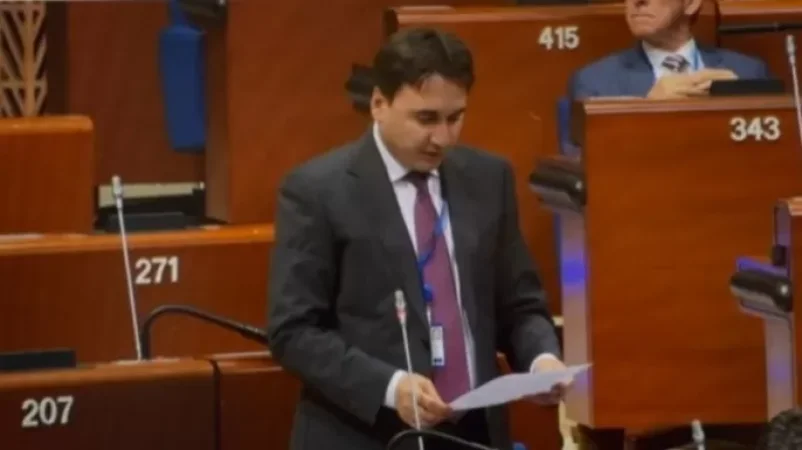
Not condemning the blockade of Nagorno-Karabakh by Azerbaijan clearly indicates support for the realization of this crime and leaves no room for diplomacy. This was stated by Armenian National Assembly delegation member and MP from the "Armenia" faction, Armen Gevorgyan, during his speech regarding the progress of the Bureau and Permanent Committee activities at the Parliamentary Assembly of the Council of Europe (PACE).
In his speech on the situation in Nagorno-Karabakh, Gevorgyan urged reflection on three main directions. He particularly pointed out that a member state of the Council of Europe is implementing a blockade affecting 120,000 people in Nagorno-Karabakh, with daily threats of the use of force against them. “Azerbaijan’s impunity has led to a strengthening of this authoritarian regime’s sense of invulnerability and has turned our organization into an agent legitimizing its aggressive policies against the Armenian people,” said Gevorgyan.
Highlighting the next direction, Gevorgyan emphasized that the blockade of Nagorno-Karabakh is the next phase of the Armenian Genocide of 1915. He stressed that the state criminal policy pursued by Azerbaijan should not be confused with potential peaceful processes.
“Group punishment of people based on their ethnic affiliation is a war crime. This has nothing to do with negotiation. Therefore, not condemning it clearly means supporting the realization of this crime, rather than leaving room for diplomacy,” he remarked.
As the third important direction, the member of the National Assembly delegation pointed out what is happening in Nagorno-Karabakh as a threat to Europe’s civilizational identity. “Now, we are faced with a choice between democracy, dignity, and peace on one hand, and ‘energy security,’ shame, and violations on the other. History reminds us of the price of disgraceful choices,” Gevorgyan summarized.
In conclusion, the MP noted that despite Armenia’s geographical and demographic sizes and ongoing challenges, the Armenian people will continue to create conditions for the preservation and development of their national culture and identity, regardless of whether it pleases someone or not.
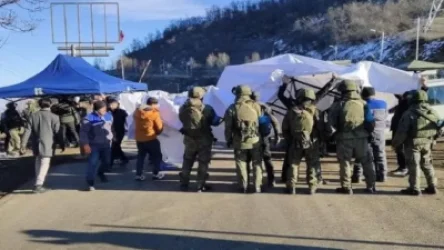
It is noteworthy that on the morning of December 12, a group of Azerbaijanis in civilian clothes closed the Stepanakert-Goris highway linking Artsakh to Armenia on environmental grounds, near the Shushi-Karin Tak junction. Starting from December 13, the Azerbaijani side periodically cuts off gas supplies to Artsakh. Currently, there is no gas in Artsakh.
Since January 9, power supplies from Armenia to Artsakh have also been disconnected from the territory under Azerbaijani control. The Azerbaijani side is not allowing specialists to approach and understand the reasons, in case emergency restoration work is necessary. The electricity supply in Artsakh is being implemented through scheduled outages.
The Lachin corridor remains closed.
Նմանատիպ հոդվածներ
Azerbaijan is Outraged: Foreign Ministry Calls UN Population Fund's Statement Biased
Today the PACE Will Discuss the Humanitarian Consequences of the Blockade of the Lachin Corridor
QP Confirms Meeting with Papikyan: Details of the Discussion Revealed
Russia is Working Diligently with Armenia and Azerbaijan, Says Peskov
Ավելին Politics բաժնից
Ալեն Սիմոնյանը հայտարարել է՝ որ կուսակցությունները ընդհանրապես մանդատ չունեն
Ռոբիկը եթե ուզում է, կարող է մանդատը վերցնել ու գալ ԱԺ․ Վահագն Ալեքսանյան

ԿԸՀ–ն հրապարակեց ընտրությունների վերջնական արդյունքները