EU Adopts Urgent Resolution on the Consequences of the Nagorno-Karabakh Blockade
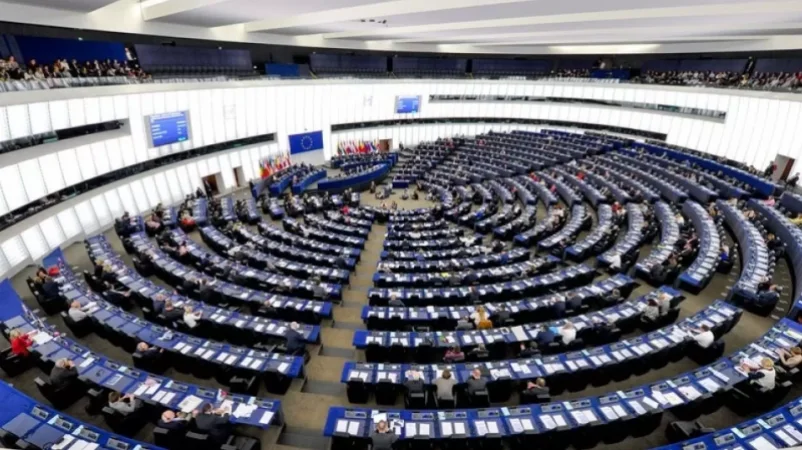
The European Parliament has adopted an urgent resolution regarding the humanitarian consequences of the blockade of Nagorno-Karabakh. The information was reported on Twitter by the Armenian Embassy in Belgium.
The text of the resolution highlights that the closure of the only road connecting Nagorno-Karabakh to Armenia and the outside world by self-declared environmentalists has disrupted access to essential goods and services, including food, fuel, and medicine, for 120,000 Armenians who are effectively under blockade. The blockade has led to a serious humanitarian crisis, significantly affecting the most vulnerable groups within the population. Transportation of critically ill patients has become almost impossible, with one fatality reported in this situation. Furthermore, hundreds of families are separated from each other.
The humanitarian crisis has been aggravated by Azerbaijan's blockage of natural gas supplies to Nagorno-Karabakh, leaving homes, hospitals, and schools without heating. Azerbaijan is violating its international obligations under the trilateral statement of November 9, 2020, which mandates that Azerbaijan ensure the safety of people, vehicles, and cargo moving in both directions through the corridor.
The text also notes that the obstacles present along the Lachin corridor hinder the peace process between Armenia and Azerbaijan and undermine international trust.
In light of the above circumstances, the European Parliament:
- Expresses sorrow over the blockade of the Lachin corridor and the tragic humanitarian consequences resulting from the Nagorno-Karabakh conflict,
- Urges Azerbaijan to respect and fulfill the trilateral statement of November 9, 2020, and immediately reopen the Lachin corridor to ensure free movement and access to essential goods and services, thereby guaranteeing the security of the region and preserving the means of survival for the people,
- Stresses the necessity of a comprehensive peace agreement that guarantees the rights and safety of the Armenian population of Nagorno-Karabakh, urging Azerbaijan to protect the rights of Armenians living in Nagorno-Karabakh and to refrain from incitement that sows discrimination against Armenians and calls for them to leave Nagorno-Karabakh,
- Urges Azerbaijan to refrain from further disrupting transport, energy, and communication links between Armenia and Nagorno-Karabakh,
- Categorically condemns Azerbaijan’s treatment of human rights defenders, urging EU missions and member states to support their work,
- Believes that Russian peacekeepers should urgently be replaced with OSCE international peacekeepers in accordance with a UN mandate,
- Calls for unimpeded access for international organizations to Nagorno-Karabakh to assess the situation and provide humanitarian assistance,
- Calls for a UN or OSCE fact-finding mission to be sent to the Lachin corridor to assess the humanitarian situation on the ground,
- Calls for the resumption of unconditional negotiations based on the principles of the Helsinki Final Act,
- Encourages active participation by the EU to protect the population of Nagorno-Karabakh from the consequences of “Baku’s actions,” referring to Russia’s role as “unconstructive” and calling the OSCE Minsk Group “ineffective,”
- Commands its president to send the current resolution to Armenia, Azerbaijan, and international organizations.
It is noteworthy that on the morning of December 12, a group of Azerbaijanis in civilian clothes closed the Stepanakert-Goris highway connecting Artsakh to Armenia under the pretext of environmental reasons at the Shushi-Karin Tak intersection.
Նմանատիպ հոդվածներ
Azerbaijan's Foreign Ministry Issues Statement on EC Urgent Resolution Regarding Lachin Corridor
Confirmation from Artsakh: Meeting Held with Azerbaijani Side - Details
International Position Will Eventually Lead to Concrete Results: Mirzoyan on His Speech Outcomes at the OSCE
Intent to Send CSTO Mission to Armenia-Azerbaijan Border Still in Effect, Lavrov
Ավելին Politics բաժնից
ԱԺ-ում ներկայացված կլինեն երեք խմբակցություն. Հովակիմյանի հայտարարությունը
5 քաղաքական ուժերը հայտարարություն են տարածել
Զելենսկիի շնորհավորական ուղերձն` Թրամփին