"Thousands Killed as a Result of These Criminal Actions": Statement by the Ministry of Foreign Affairs of Artsakh

In these days, we commemorate the innocent victims of the mass massacres committed against the Armenian population in Azerbaijan's capital, Baku, 33 years ago. The murders, looting, violence, and atrocities committed with exceptional brutality lasted for a week, from January 13 to January 20, 1990. Those who escaped death faced organized deportations. According to various sources, between 150 and 300 people were killed as a result of this inhumane crime. This statement has been issued by the Ministry of Foreign Affairs of Artsakh.
The Baku massacres, alongside the massacre of Armenians in Sumgait in 1988, marked the beginning of a horrific phase in Azerbaijan's genocidal policy against Armenians. Manifestations of this policy included mass killings and deportations of the Armenian population of the former Azerbaijan SSR, the 1991 "Ring" operation that displaced villages along the border of Artsakh, and aggressive wars waged against the Republic of Artsakh from 1991 to 1994, in April 2016, and from September to November 2020, which were accompanied by war crimes committed by Azerbaijani armed forces. As a result of these criminal actions, thousands were killed, and hundreds of thousands became victims of ethnic cleansing.
A significant part of Azerbaijan's policy to exterminate Armenians in their historic homeland became the widespread and systematic propaganda of anti-Armenianism, which was accompanied by the dehumanization of Armenians and encouragement of crimes grounded in military offenses and ethnic intolerance. Specialized international organizations have consistently documented extreme manifestations of anti-Armenianism in Azerbaijan. Unfortunately, no effective measures have been taken to eliminate them. Consequently, favorable conditions for committing and justifying crimes against humanity have formed in Azerbaijan.
Both the impunity of the Baku massacres and the subsequent mass crimes have led to a situation where Azerbaijan considers the blockade of Artsakh's 120,000 population and the creation of conditions for a humanitarian disaster as a matter of course.
Long-term peace in the region cannot be established based on the outcomes of Baku's genocidal policies. They must be resolutely condemned and rejected by the international community, and the first step should be the immediate cessation of the blockade of Artsakh, which has been ongoing for more than a month.
Նմանատիպ հոդվածներ
Ավելին Society բաժնից

Լուվրի նոր տնօրենը խոստովանել է թանգարանի վատ վիճակը

Եվրոպական մի քանի երկրներում ուժեղ շոգ է սպասվում
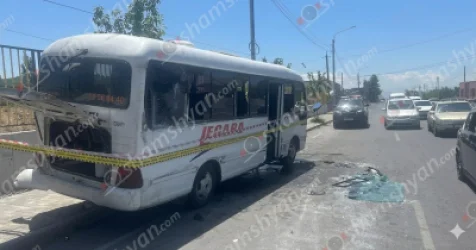
Երեխաներին էքսկուրսիա տանող ավտոբուսի վթարի ականատեսը որոշ մանրամասներ է ներկայացրել