The Renewed Armenia-Azerbaijan Conflict Highlights Russia's Diminishing Influence: Coverage by 'The New York Times'

The renewed Armenia-Azerbaijan conflict underscores Russia's waning influence, as reported by Ivan Nechepurenko, a correspondent for 'The New York Times'. The report highlights the blockade of the only road connecting Nagorno-Karabakh to Armenia due to protest actions by Azerbaijani activists, emphasizing the weakening position of Russia in the region.
Specifically, the report mentions that at the end of 2020, when Russian President Vladimir Putin mediated the conflict between Azerbaijan and Armenia in the Caucasus and deployed 2,000 Russian peacekeepers between the two sides, it was considered a strategically savvy move. This agreement gave Russia military presence in Azerbaijan while deepening Armenia's hopes of seeing Russia as its security guarantor. It positioned Putin as a peacemaker and seemingly confirmed his claim of Russia's legitimate influence to maintain stability in the post-Soviet space.
Two years later, Azerbaijan reignited the struggle for the territory of Nagorno-Karabakh. Distracted by the Russian-Ukrainian conflict and weakened, Russia did not intervene. Ignoring the presence of Russian peacekeepers, Azerbaijan appears to be testing whether Moscow continues to impose its will on other, smaller countries amid its struggle in Ukraine.
“One can observe that Russia's resources in the region are becoming limited,” stated Farhad Mamedov, a pro-government analyst based in Azerbaijan's capital, Baku. In his report, Ivan Nechepurenko noted that the road blockades imply entirely new escalations: “There are limited food and drink supplies in Nagorno-Karabakh supermarkets, and the availability of diapers and essential medicines is so scarce that residents are posting on Facebook looking for them. Since Friday, people have had to obtain coupons to buy rice, pasta, buckwheat, or sugar.”
“The complete focus on Ukraine makes the situation more precarious and gives Azerbaijan a new opportunity to use force and be more aggressive,” said Vahan Kostanyan, an advisor to the Foreign Minister, in a recent interview.
Ivan Nechepurenko quoted the opinion of analyst Zaur Shiriev from a crisis group in Baku, who pointed out that Russia's leverage is increasingly diminishing in both Azerbaijan and Armenia. It seems that the Russian army has much less to gain from providing military assistance to Armenia since it needs that weaponry for Ukraine. The article also emphasized the analyst's thought that Putin wishes to protect ties with Turkey, Azerbaijan's dominant ally.
Armenian political analyst Tigran Grigoryan remarked that the Ukrainian conflict has “created an environment where Russian deterrent power is not functioning in the region.” How to resolve the current crisis remains unclear. Azerbaijan insists it is not blockading Nagorno-Karabakh and is facilitating humanitarian and medical access.
The journalist notes that the reality is far more dire for ethnic Armenians in Nagorno-Karabakh, who are blocked off and facing shortages of food and various essentials. Families separated at the onset of the blockade are unable to unite, as some members have been in Armenia.
“Armenia has a significant strategic challenge,” said Thomas de Waal, a senior fellow at Carnegie Europe who has long studied the Nagorno-Karabakh conflict. “Mr. Pashinyan would like to pursue a much more balanced foreign policy, but he is tethered to Russia as his main geopolitical ally,” he noted.
Nonetheless, as Russia has become “distracted”, the European Union and the United States have stepped up efforts to establish long-term peace and strengthen their influence in the Caucasus. According to Ivan Nechepurenko’s views, evidence of the above is seen in the meetings between Pashinyan and Aliyev organized by the European Union in August and October.
Analysts characterized the negotiation paths as unusual: one was led by Russia while the other was directed by the EU, as Moscow and the West are preoccupied with internal issues. Toivo Klaar, the EU Special Representative for the South Caucasus, stated in an interview, “In the current circumstances, there are more opportunities for Armenia and Azerbaijan to overcome the conflict. The question is whether they can seize those opportunities.”
Նմանատիպ հոդվածներ
Individuals Who Assaulted Mirzoyan and Committed Theft from Prime Minister's Residence Arrested
Upcoming News Leak on the Pashinyan-Aliyev Agreement, Says Zohrapyan
Blood Samples Disposed and Fake Results Issued: Alert Over Tampered Test Results
Which Regions of Armenia Felt the Strong Earthquake Recorded in Iran and at What Intensity
Ավելին Society բաժնից

Լուվրի նոր տնօրենը խոստովանել է թանգարանի վատ վիճակը

Եվրոպական մի քանի երկրներում ուժեղ շոգ է սպասվում
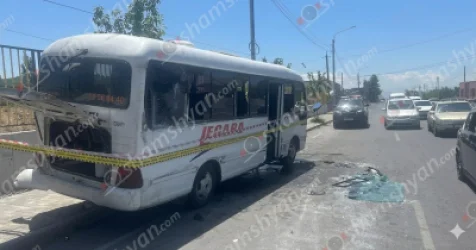
Երեխաներին էքսկուրսիա տանող ավտոբուսի վթարի ականատեսը որոշ մանրամասներ է ներկայացրել