Armen Sarkissian Calls on the World Not to Remain Indifferent to the Nagorno-Karabakh Issue in Time Article
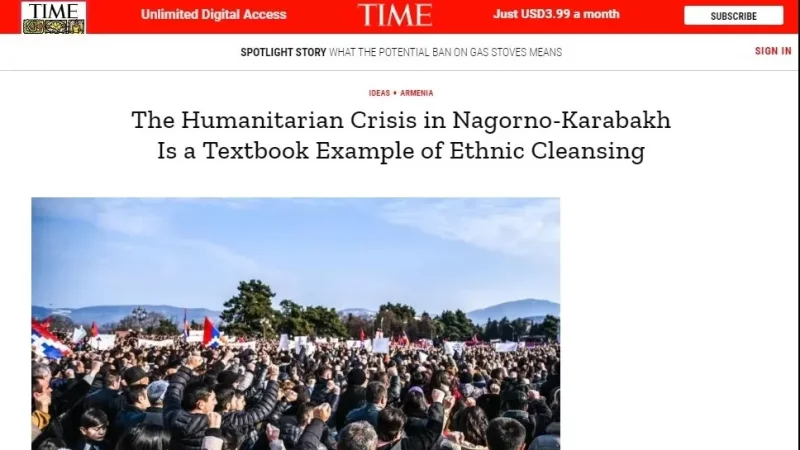
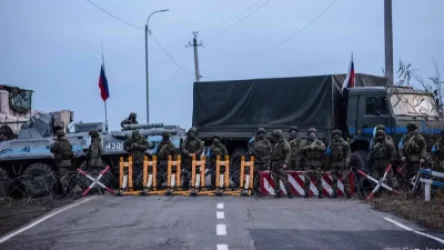
In the last five weeks, Nagorno-Karabakh, located between Armenia and Azerbaijan, has been under blockade by the latter. While much of the world celebrated Christmas and New Year, over 120,000 Armenians living in the ancient Armenian homeland, surrounded by Armenian churches, monasteries, and monuments that date back decades before the spread of Christianity in Europe, have been cut off from the world.
This is highlighted by Armenia's fourth President, Armen Sarkissian, in an article published in the esteemed British publication Time. In his article titled "The Humanitarian Crisis in Nagorno-Karabakh: A Textbook Example of Ethnic Cleansing," Sarkissian explains how a group of Azerbaijanis, presenting themselves as "environmental activists," have blocked the only road connecting Armenia to Nagorno-Karabakh, the Lachin corridor, since December 12, 2022. First, the flow of food and medicine was reduced, followed by a gradual depletion of the necessary supplies for sustaining normal life.
"A place that used to receive 400 tons of food and medicine daily now gets barely a few vehicles of assistance at best. Hospitals have suspended surgeries indefinitely. Children are hungry. As the air temperature drops to -4, there is a severe need for fuel, and families are forced to burn waste to heat their homes," Sarkissian writes.
Armenians, who endured genocide for a long time in the Ottoman Empire before coming under Soviet rule in the 20th century, are now facing collective punishment in the 21st century aimed at removing them from their own homes, he notes.
Sarkissian points out how, historically, the Armenian territory of Artsakh was handed over to Soviet Azerbaijan by Stalin in 1921, contrary to history and demographics, with the aim of controlling the diverse population of the Soviet Union more easily. "In 1988, the people of Artsakh overwhelmingly voted in a referendum to annul Moscow's artificial cartography, secede from Soviet Azerbaijan, and defend their Armenian identity. However, this courageous act of self-determination led to new massacres against Armenians, whose desires were not respected," he writes.
He also mentions that Armenians won the First Nagorno-Karabakh War against Azerbaijan, which lasted until 1994 when Artsakh declared its sovereignty. In 2020, at the height of the COVID-19 pandemic, Azerbaijan, with the overt support and involvement of Turkey, launched a surprise attack now known as the Second Nagorno-Karabakh War.
"Azerbaijan wanted the territory of Nagorno-Karabakh without its inhabitants. Its successes on the battlefield were followed by brutal efforts to erase all traces of Armenian history. While Armenia preserves medieval mosques in its capital, maintaining excellent relations with the Islamic world and welcoming all people of faith, Azerbaijan has engaged in the desecration and destruction of Armenian churches in the regions that have come under its control due to its policies. Hundreds of Armenian servicemen remain imprisoned in Azerbaijani captivity. The humanitarian crisis we are witnessing now, or, more accurately, that the world refuses to see, is a textbook example of ethnic cleansing. More than a dozen NGOs, including Genocide Watch, have issued severe warnings that Azerbaijan's blockade aims to purposely create conditions that lead to the total or partial physical destruction of a national, ethnic, racial, or religious group, as defined by the Convention on the Prevention and Punishment of the Crime of Genocide. All 14 risk factors for crimes against humanity, as outlined by the UN Secretary-General's Office on Prevention of Genocide, are now present," Sarkissian emphasizes.
The only lifeline for Armenians in Artsakh is the narrow corridor connecting them to Armenia. Local and Armenian diaspora volunteers are doing everything possible to provide assistance. However, such efforts will not succeed alone. History, particularly Armenian history, teaches us that the success of a genocidal campaign always depends on the silence of the world. It is time for the international community to speak out," concludes Armen Sarkissian in his article.
Նմանատիպ հոդվածներ
Ավելին Politics բաժնից
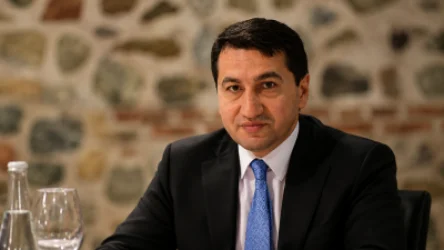
Ադրբեջանի նախագահի օգնական Հիքմեթ Հաջիևը Հայաստանում է․ ինչ են քննարկել
ՔՊ-ական պատգամավորին մեղադրանք է առաջադրվել
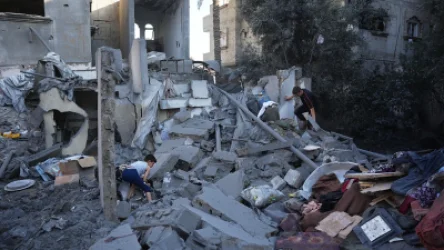
Փլատակների տակ մնացած հազարավոր զոհեր կարող են երբեք չնույնականացվել․ ԿԽՄԿ-ի ահազանգը