CNN on the Closure of the Lachin Corridor and the Situation in Artsakh
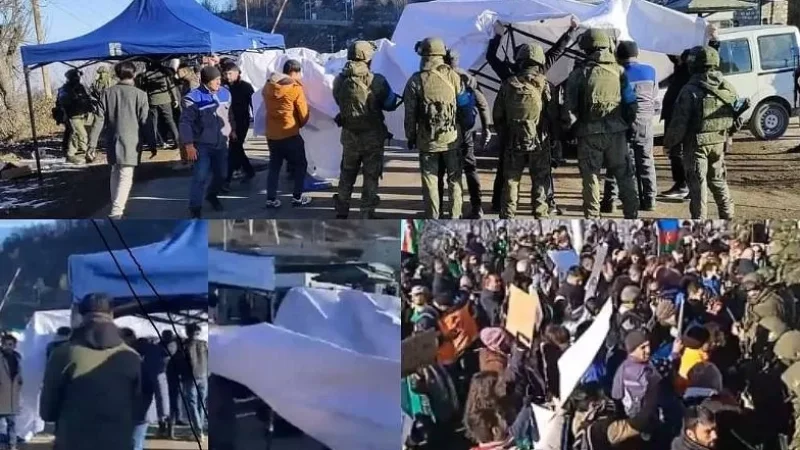
CNN has published an article discussing the situation that has arisen in Artsakh following the blockade of the Lachin Corridor, as reported by Armenpress. It notes that demonstrators have closed the Lachin Corridor with the support of the Azerbaijani government, as Azerbaijani political analysts claim that protests in Azerbaijan are considered illegal if they do not have government approval.
The author of the article reports that many difficult issues have arisen in Artsakh. UNICEF, for its part, has warned that children are in need of essential food and services, with some being separated from their parents or legal guardians while being on the other side of the blocked road. Despite this, the author notes that Armenians in Nagorno-Karabakh are not losing hope and are continuously helping each other.
“The US, EU, UN Secretary-General, and more than a dozen nations, including Canada and Mexico, have called on Azerbaijan to open the road to Nagorno-Karabakh, but these calls have been ignored… Russia has not been able to make any significant moves to resolve the issue. At the same time, Russia does not wish to allow Western countries to intervene and resolve the standoff,” the article states.
The author also reminds that after the 44-day war in 2020, a ceasefire was established between Armenia and Azerbaijan through Russia, with Russian peacekeepers deployed in the region, although this was not deemed a satisfactory solution.
“As Russia has weakened in Ukraine, there is no effective mediator between Armenia and Azerbaijan. Azerbaijan is seeking to gain maximum advantages on the ground, leveraging its substantial wealth derived from oil and gas,” the article mentions.
“A network of economic and strategic factors has tied Moscow to Turkey and its ally Azerbaijan. Amid the imposition of sanctions on Russia by the West and tensions in relations with numerous economic partners, Moscow's dependency on Turkey has been increasing for trade and sanction evasion purposes. Turkey has become the main intermediary for Russian oil and gas exports and the importation of strategic technologies,” the article's author writes, adding that as Russian-Turkish ties have strengthened, Moscow is unwilling to respond to Azerbaijan's conduct, potentially leading to a severe and deadly outcome.
According to Michael Rubin, a senior fellow at the American Enterprise Institute who studies the region, if global powers neglect the situation, there could be a risk of ethnic cleansing. Rubin believes the US is not powerless in this situation and has direct levers to influence Turkey and Azerbaijan through diplomatic and economic tools.
The author concludes that “Russia and Turkey aim to dominate the South Caucasus at the expense of their smaller neighbors.”
“At a time when the West is competing with Russia over Ukraine, framing it as a struggle for democracy against autocracy, this is a vital arena to demonstrate and prove that the West has real influence in the post-Soviet region… The US and the EU have recklessly left Russia in charge of maintaining peace in the South Caucasus. Western powers must now act with all their diplomatic weight to rectify this mistake,” the article's author concludes.
Նմանատիպ հոդվածներ
This Fraud and Deceitful Person is Now Supplying Us Oil and Gas, Says Bild
Iran's Pro-Armenian Statements Worry Ankara and Baku: Statement from Turkey
March Will Become a Month of Intensified Military Operations: Statement from Ukraine
Has Armenia Turned to the UN World Food Programme? Ministry of Foreign Affairs Provides Details
Ավելին Politics բաժնից
Ուկրաինայի ԱԳՆ-ի աղմկահարույց հայտարարությունը՝ կենսաբանական զենքի կիրառման վերաբերյալ
Նարեկ Մանթաշյանը հայտնում է «Նուբարաշեն» ՔԿՀ-ում իրականացված խուզարկությունների մասին
Ուկրաինան պատրաստ է բանակցել արժանապատիվ խաղաղության շուրջ. Զելենսկի