Aliyev is Uninterested in a New Large-Scale Conflict: Thomas de Waal
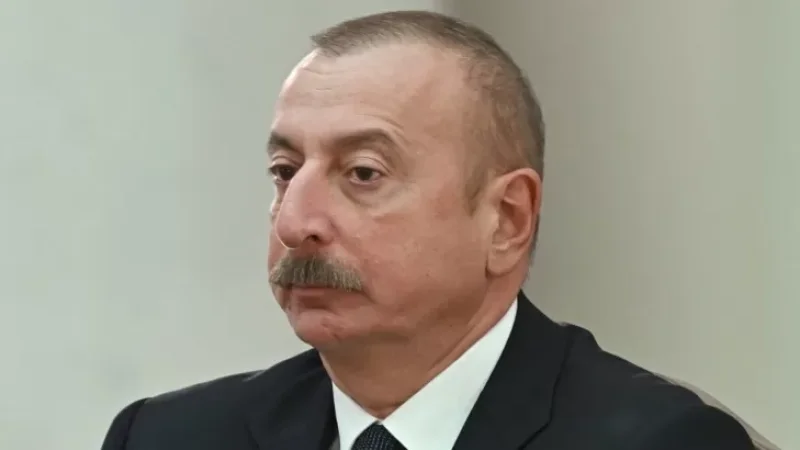
“In my opinion, Aliyev is not interested in a new large-scale conflict,” said Thomas de Waal, a leading analyst at the Carnegie Endowment and an expert on the Karabakh conflict, in an interview with Radio Liberty.
“Radio Liberty.” - Back in September, you mentioned that Aliyev's goal is to force Armenia to sign a peace treaty, renouncing claims over Karabakh and obtaining the so-called ‘corridor.’ Are the current actions in Lachin concrete activities on the ground?
Thomas de Waal: Of course. What is happening now constitutes very serious actions on the ground. I am afraid that 2023 will be tense and heavy. I hope there will not be a new conflict, but, of course, the signs are already there, as long as serious negotiations are not underway and the November 2020 agreements are not being implemented, because there is no transit through the Lachin road. This is one of the basic provisions of the trilateral statement. There are serious concerns that the fate of the Armenians in Karabakh and the issue of the Zangezur corridor will be decided more through actions on the ground rather than through negotiations. There are serious attempts to resume negotiations in January in Brussels; let's see how that goes. But for now, the situation is very serious.
“Radio Liberty.” - So, does Armenia’s sharp rejection of granting a sovereign corridor mean that war is inevitable?
Thomas de Waal: No, no. I’m not saying that. I think that if a conflict occurs, its scale will be small compared to what we saw in 2020. Perhaps also for the simple reason that the military resources of the Armenian side are limited. In my view, President Aliyev is not interested in a new large-scale conflict. Rather, he is trying to achieve a situation where any negotiations that fail can be used to pressure the Armenian side. We’ll see if that works. Right now, of course, it is a festive period in Russia, and I think if not now, then in a week, we will witness an activation from Moscow, because what is happening is a blow not only to the negotiations but also to Moscow’s authority in the region.
“Radio Liberty.” - Why isn’t Russia intervening, since according to the trilateral statement, it falls within their area of responsibility?
Thomas de Waal: Yes, that’s a very crucial question, to which I don’t have an answer. There is a more general reason that all of Russia’s military, economic, and political resources have been directed toward Ukraine. Certainly, the peacekeeping mission remains in Karabakh, but it is no longer as strong and professional as it was a year ago. One reason is that Moscow, as we know, has been trying for many years to maintain good relations with both Yerevan and Baku, hoping for their support as well. So, the second factor is that the Russians do not want to anger Azerbaijan. But in reality, what is happening now undermines the November 2020 agreements and Russia’s authority because, as you mentioned, it is Russia’s responsibility to keep the Lachin corridor open.
“Radio Liberty.” - So you disagree with the frequently voiced claim in Yerevan that Russia is not opposed to this pressure on Armenia because it also needs that corridor?
Thomas de Waal: No, there are different interests for Moscow. I don’t think that a single person sitting in the Kremlin makes all the decisions regarding the Caucasus, Armenia, and Azerbaijan. There are various military, economic, and political interests there, and Russia has been maneuvering between Armenia and Azerbaijan for 30 years. Yes, there is Moscow's interest in opening a route to Nakhichevan and ensuring its security with Russian federal security forces, as mentioned in the 2020 trilateral statement. But there is also another Russian interest in keeping its mission in Karabakh for as long as possible, especially after 2025. And of course, as was the case before the 2020 war, Moscow does not oppose pressure on the Armenians. Baku and Moscow have the impression that Armenia is dragging its feet in the negotiations. Both in Baku and Moscow, there was an expectation that a peace treaty would be signed in 2022. And of course, there is also Baku's perspective that Ruben Vardanyan is a so-called Kremlin project, Putin’s man. I don’t think so, but I agree that Vardanyan’s arrival in Karabakh complicated the negotiation process.
“Radio Liberty.” - Why do you think so?
Thomas de Waal: Because he is a stronger, more authoritative figure, while Baku thought they would be able to negotiate with the local Armenians. There are, of course, doubts about Vardanyan—who he is. There is also the economic factor, which has been reported as both Russia’s and Azerbaijan’s economic interests colliding around a mine near Karabakh.
“Radio Liberty.” - As I understood, you still believe that Russia is a strong mediator, or does Moscow no longer have leverage over Baku?
Thomas de Waal: I have, of course, said many times that the European Union is a much more neutral and credible mediator, which enjoys significantly greater trust in Baku and Yerevan, and less so in Stepanakert. But still, the main diplomatic players are Baku and Yerevan, and the more the European Union is involved in this process, the better. There is also hope that this year, the European Union’s border service will be reinstated and that a new round of negotiations between Aliyev and Pashinyan will be launched under the mediation of Charles Michel. I see no other alternative, and I believe there is an understanding in Yerevan and Baku that much can be achieved this way, peacefully.
“Radio Liberty.” - The issue of Western military assistance is actively discussed in Armenia. Do you think that is realistic?
Thomas de Waal: Unfortunately, it is not very realistic. I think there is an option to engage more softly in the region—through observers, economic and technical support. But the main security factor remains Russia's mission in Karabakh; it remains a factor even amid the war in Ukraine. But it is already time to discuss what will happen in Karabakh in 2025. What kind of mission will operate, Russian or international, or perhaps some kind of international observer mission. But alternatives must be found to the ethnic cleansing of Armenians, which is not only a tragedy in itself but also a path to new clashes, new conflicts.
“Radio Liberty.” - Why isn’t the West at least imposing sanctions on Azerbaijan? After all, a humanitarian crisis has already emerged.
Thomas de Waal: Sanctions are the last resort. Of course, at the moment, Western sympathy leans more toward Armenia, but there has been no angel in a 30-year conflict, aggression has occurred on both sides. Additionally, there is a desire to cooperate with Azerbaijan, even in this situation. Therefore, the scenario of sanctions is not being discussed.
Նմանատիպ հոդվածներ
This Fraud and Deceitful Person is Now Supplying Us Oil and Gas, Says Bild
Iran's Pro-Armenian Statements Worry Ankara and Baku: Statement from Turkey
March Will Become a Month of Intensified Military Operations: Statement from Ukraine
Has Armenia Turned to the UN World Food Programme? Ministry of Foreign Affairs Provides Details
Ավելին Politics բաժնից
Ուկրաինայի ԱԳՆ-ի աղմկահարույց հայտարարությունը՝ կենսաբանական զենքի կիրառման վերաբերյալ
Նարեկ Մանթաշյանը հայտնում է «Նուբարաշեն» ՔԿՀ-ում իրականացված խուզարկությունների մասին
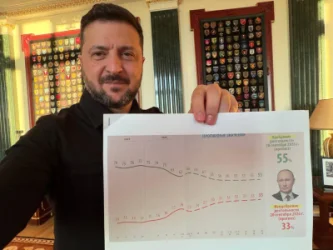
Ուկրաինան պատրաստ է բանակցել արժանապատիվ խաղաղության շուրջ. Զելենսկի