Experts Predict Natural Decline of Nearly All Azerbaijani Gas Fields by 2030
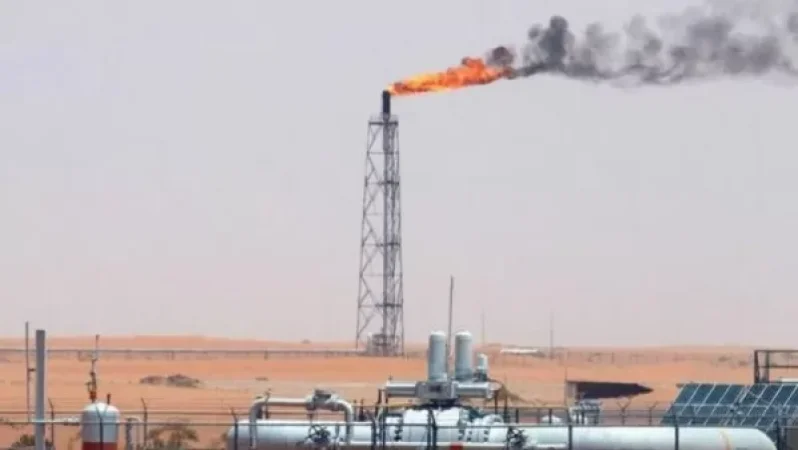
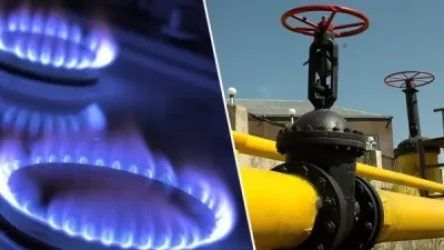
The Luys Foundation continues its series of articles on the energy crisis in Europe and the role of Azerbaijani gas, this time addressing the Southern Gas Corridor, examining the existing obstacles and future prospects for its expansion.
Both the Trans-Anatolian Natural Gas Pipeline (TANAP) and the Trans-Adriatic Pipeline (TAP) are already operating at full capacity this year. Therefore, when exploring the prospects for the expansion of the Southern Gas Corridor, it is essential to understand the potential for increasing the throughput of each of these components.
The primary factors that will affect gas supply from Azerbaijan to the EU over the coming decade include the level of gas extraction, specifically the development pace of new Caspian fields, Azerbaijan’s domestic demand, as well as Georgia's demand for Azerbaijani gas. Additionally, the possible competitive advantage of the Turkish market over the EU market for Azerbaijani gas (i.e., the share of gas flowing through TANAP that is advisable to leave for Turkey from an economic and political standpoint).
According to the Luys Foundation's assessment, considering various circumstances, including the heavy loading of existing pipelines and the technical impossibility of expanding them quickly, it is more realistic to expect additional annual gas supplies from Azerbaijan to the EU of up to 5 billion cubic meters by 2025 (aside from the already committed 10 billion cubic meters of long-term obligations).
Expert forecasts suggest that by the 2030s, nearly all of Azerbaijan's operational gas fields will be facing natural decline. In all realistic scenarios, it can be concluded that Azerbaijan, utilizing its natural gas resources, could, at best, increase its gas supplies to the EU to 15 billion cubic meters per year by 2025, and to 20 billion cubic meters by 2030.
Even with an annual supply of 20 billion cubic meters, the share of Azerbaijani gas in the EU market will remain relatively small, constituting a maximum of 5% of the EU's annual consumption (approximately 400 billion cubic meters).
The prospect of direct gas supplies to the EU through the Southern Gas Corridor via Moscow and Tehran remains as unrealistic today (mainly due to political circumstances) as it was three years ago. The most realistic alternative source for gas supplies to the EU through this corridor could be Turkmenistan.
Shortly after the 44-day war and the commissioning of the last component of the Southern Gas Corridor, the Trans-Adriatic Pipeline, Azerbaijan and Turkmenistan signed a memorandum of understanding regarding the disputed
Նմանատիպ հոդվածներ
Ավելին Politics բաժնից
Ադրբեջանի տարածքային ամբողջականությունը ճանաչել ենք․ Փաշինյան

ԿԳՄՍ նախարարը՝ մինչև 16 տարեկան երեխաների մուտքը սոցիալական ցանցեր սահմանափակելու մասին
Հունաստանի կոպիտ արձագանքը՝ Թուրքիայի ընդունած նոր օրենքին