Heated Debates at the Black Sea Economic Cooperation Organization Meeting
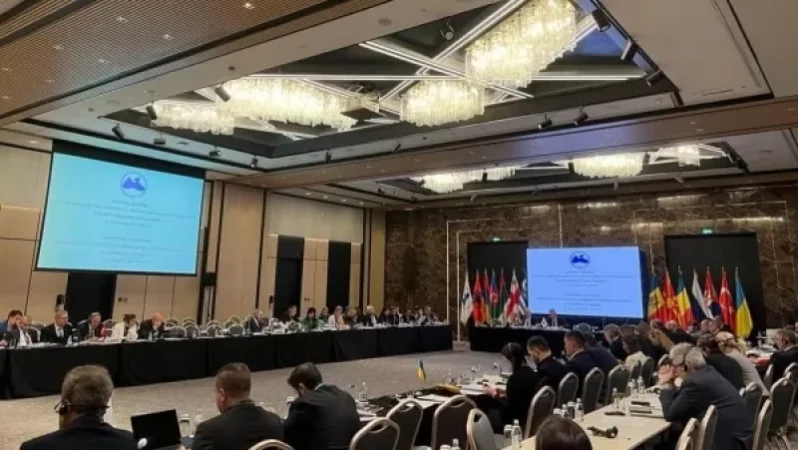
The Deputy Chair of the Economic Affairs Permanent Committee of the National Assembly, Babken Tunyan, has shared some details about the plenar session of the Parliamentary Assembly of the Black Sea Economic Cooperation (BSEC).
“Today, at the BSEC PA meeting, the mandates of new delegation members were to be confirmed. It was clear from the start that the main intrigue would revolve around the mandates of the Russian delegation members. Even before the actual voting, there was a heated debate lasting nearly two hours on how to conduct the voting. Should all new members be voted on together, or each country separately, or each member of every country individually? Ultimately, the third option was chosen.
Considering the statements made before the vote, the representatives from Russia called for the Russian-Ukrainian conflict not to be tied to this process, urging not to paralyze the organization’s work, and announced that if any of their members’ mandates were not confirmed, they would leave the session.
The Assembly members first unanimously voted in favor of confirming the mandate of Gevorg Papoyan, a new member of the Armenian delegation. The mandate for the first member of the Russian delegation was not confirmed; of the 13 delegations, 7 needed to vote in favor, but only 5 did (including the Armenian delegation). The Azerbaijani delegation left the hall prior to the vote to avoid participating in it.
Following this vote, the Russian delegation announced that it would cease payment of membership fees and left the hall. It is worth noting that Russia’s annual contribution is around 256,000 euros, which constitutes 14% of the BSEC PA budget, and if the situation does not stabilize, this organization’s budget will face issues, especially since countries are unwilling to increase their financial contributions.
The next tension was also in the context of the Russian-Ukrainian conflict. Regarding economic reports, Ukraine suggested replacing the term “Russian-Ukrainian conflict” with “Russian military aggression” in all texts. We stated that these reports are economic, and there is no need to politicize them or express political evaluations, and thus we did not support these proposals. Other countries voted in favor, and the proposals were accepted. This effectively recognized Russia as an aggressor.
The session will continue on December 8.
Նմանատիպ հոդվածներ
Ավելին Economy բաժնից
Ռուսաստանը սահմանափակել է երկաթուղային հաղորդակցությունը Ֆինլանդիայի հետ
Մոսկվայից Երևան նոր ավտոբուսային երթուղի է գործարկվել
Ադրբեջանը ևս 20 տարով կապահովի Վրաստանի գազամատակարարումը