First FIFA World Cup in Winter: Qatar's Historic Event and High Spending
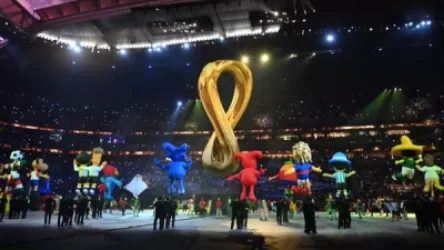
The FIFA World Cup has officially commenced in Qatar. The tournament opens today, November 20, at 8 PM Yerevan time with a match between Qatar and Ecuador at the Al Bayt Stadium in Al Khor, located 50 kilometers north of Qatar's capital, Doha. The hosting of the opening match by the home team is a tradition of FIFA, and this tournament will be unique in many aspects, often described with the phrase "for the first time."
When we say "World Cup," we immediately think of summer, yet "Qatar 2022" will be the first tournament ever held in winter. In November, temperatures in Qatar range from 20 to 30 degrees Celsius, whereas summer temperatures soar above 50 degrees. This prompted the decision to host the event in winter.
This edition of the tournament will be the first to take place in an Arab country. Additionally, it will feature enormous stadiums equipped with massive air-conditioning systems. Air must be purified and cooled for the fans and players via advanced and costly equipment. Thousands of large and small special ducts installed along the field, under the stands, and above the fans will circulate cold air, continuously passing through filtration and oxygenation processes before being directed back to the field and stands. This entire system will consume a vast amount of electricity, supplied by solar panels installed on the roofs, an abundant resource in this Arab nation.
The "Al Janoub" Stadium, built for the World Cup, opened in 2019. Journalists from Europe reported that when outside temperatures were 30 degrees, it was only 19 degrees inside the stadium. The 22nd World Cup has become one of the most expensive international sporting events, with an expenditure of at least $220 billion for its organization. Qatar has allocated an average of 18.3 billion annually since winning the bid in 2010. Given that the country's Gross Domestic Product is around 180 billion, more than ten percent of it has been directed to the football tournament. For comparison, Russia spent $11.6 billion for the 2018 World Cup.
New stadiums, commercial and entertainment centers, an airport, a metro, hundreds of hotels, hospitals, roads, and other infrastructure have been built in Qatar. Approximately 1.2 million tourists are expected to arrive to watch the tournament.
"We receive more than 900 flights each day at this time," expressed Badr Mohammed Al-Mheer, the executive director of Hamad International Airport, built near the capital.
The matches will take place in five cities: Doha, Al Rayyan, Lusail, Al Khor, and Al Wakrah, with eight stadiums, seven of which were constructed specifically for this event.
Those who have seen the magnificent stadiums and new hotels are astonished, stating that nothing like this has been seen in the world. Meanwhile, expected revenues from the tournament will not even reach $5.5 billion, which is considerable for another country but a negligible amount when compared to the expenses incurred by Qatar.
This tournament is essential for Qatar to elevate its international profile as the first Arab nation to host the World Cup, marking a historic achievement. However, at what cost? According to Western media, from 2010, when stadium construction and other infrastructure development began, approximately 6,500 migrant workers from South Asian countries lost their lives by February 2021. The primary causes cited were inhumane working and living conditions, illnesses, neglect of safety regulations, and other factors related to exploitation.
The International Labour Organization, under the auspices of the UN, has stated that migrant rights have not been adequately protected in Qatar, nor have the circumstances of their deaths been properly investigated. Naturally, Qatari authorities deny these allegations and assert that some shortcomings have been corrected.
Many in the West criticize FIFA's decision to award the tournament to Qatar, highlighting human rights violations, the persecution of dissent, and discrimination against sexual minorities in the country. Some teams, including Germany's "Die Mannschaft," have even proposed boycotting the tournament. Athletes plan to express their discontent in various ways, such as Danish players promising to wear protest jerseys on the field.
National leaders are more restrained in their comments on the issue. French President Emmanuel Macron stated last Thursday in Thailand that he is against a boycott. "Sports should not be politicized; all issues—be they climate or human rights—should be seriously addressed when deciding on the hosting of the Olympics or World Cups, but once the tournament starts, it should not be politicized," he stated as the leader of the reigning world champions.
This World Cup is taking place during a dramatically dangerous period for the world, with heightened tensions between superpowers and war in Europe. In ancient Greece, there was "ekecheiria"—an Olympic truce. No military operations occurred during the seven days before and after the games. Perhaps football can also bring peace to people.
According to FIFA's president, football can unite people around values of joy and peace. "I urge world leaders, especially to Ukraine and Russia, to agree on a ceasefire at least during the World Cup. This tournament should bring hope for joy, unity, and peace," stated Gianni Infantino.
Russia, which hosted the last tournament, has been punished and stripped of its right to participate in the 22nd World Cup as an aggressor state. In Qatar, 32 teams will compete for the World Cup. The teams are divided into eight groups, each consisting of four national teams. Group matches will continue until December 2, after which the tournament will progress to knockout stages. The prize fund for the tournament amounts to $440 million. This will be the last World Cup featuring 32 teams, as it will expand to 48 teams starting in 2026.
The favorites include Brazil, followed by Argentina, the Copa America champions, and thirdly Germany. The Round of 16 will take place from December 3 to 6, the quarter-finals on December 9 and 10, the semi-finals on December 13 and 14, with the bronze medal match on December 17 at the Khalifa Stadium in Al Rayyan, and the final match taking place on December 18 at the Lusail Stadium.
About 5 billion people are expected to watch the tournament on television.
Նմանատիպ հոդվածներ


Ավելին Sport բաժնից

«Արարատ-Արմենիան» պատմության մեջ առաջին անգամ դուրս եկավ Չեմպիոնների լիգայի որակավորման երկրորդ փուլ
Կասիլյասը նշել է, թե որ հավաքականը կհասնի ԱԱ-2026-ի եզրափակիչ

ԼՈՒՍԱՆԿԱՐ. Հալանդը ցուցադրել է իր նոր «թալիսմանին»