The Risk of New Aggression from Azerbaijan Remains High, Says Armen Grigoryan
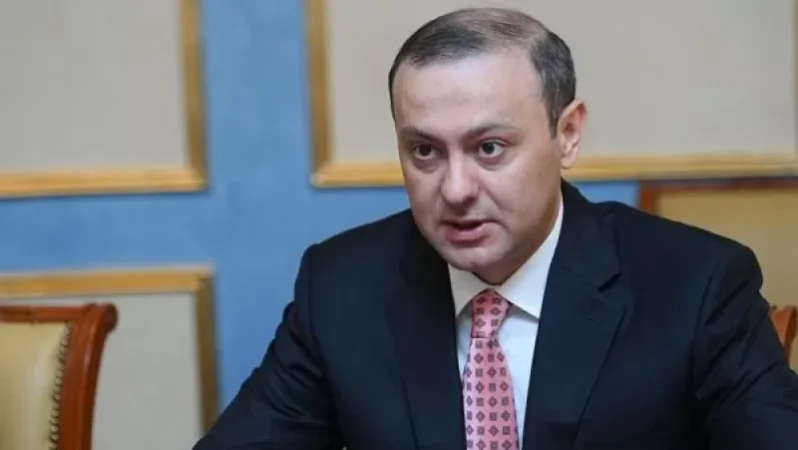
The Office of the Armenian Security Council has published the speech of Security Council Secretary Armen Grigoryan at the 10th meeting of the Secretaries of Security Councils of CIS member states. Below is the full text:
“Dear colleagues,
Before I proceed with my speech, I would like to thank Nikolai Patrushev, the Secretary of the Security Council of the Russian Federation, for the invitation to today's meeting of the Secretaries of Security Councils of CIS member states. Tomorrow, Russia celebrates National Unity Day, and I congratulate Nikolai Patrushev and, through him, the entire Russian people, wishing them peace and prosperity.
Dear colleagues,
Today's agenda includes the topic of “Challenges and Threats to International Security in Modern Conditions,” and within this framework, I would like to address the security issues in the South Caucasus, particularly the situation at the Armenian-Azerbaijani border.
The sharpness of this issue for us is caused by the military aggression carried out by Azerbaijan against Armenia on September 13 of this year.
I would like to emphasize that this was not a border incident or a border clash, as some forces tried to present it, but a large-scale invasion into the sovereign territory of the Republic of Armenia, involving heavy artillery, multiple rocket launcher systems, and combat drones. The Azerbaijani armed forces shelled 36 settlements and communities deep within Armenian territory, including the cities of Goris, Jermuk, Vardenis, and Kapan.
Thanks to the steadfast and heroic resistance of the Armed Forces of the Republic of Armenia and the response from our partners, the Azerbaijani offensive was halted, but the geopolitical situation remains tense.
This aggression by Azerbaijan has been discussed at the UN Security Council, where the majority of its members condemned Azerbaijan's illegal military actions. The aggression has also been widely condemned by the international community.
Peaceful civilian populations and critical civilian infrastructures have been targeted in this Azerbaijani aggression. The total number of people temporarily displaced from the Gegharkunik, Vayots Dzor, and Syunik regions of Armenia has exceeded 7,600, primarily women and the elderly, as well as 1,437 children and 99 disabled individuals. Approximately 192 residential buildings, 3 hotels, 2 schools, and 1 healthcare facility have been partially or completely destroyed. Seven power supply facilities, five water supply facilities, three gas pipelines, and one bridge have been damaged. Ambulance vehicles and four private cars were also fired upon. The Kecuit reservoir, located south of the resort town of Jermuk, has been shelled as well.
As a result of the aggression, the death toll has exceeded 210, of which 3 are civilians. Two individuals are reported missing. A total of 293 servicemen and 8 civilians have been injured. At the same time, disturbing footage has emerged from the Azerbaijani side showing the torture of captives, infliction of bodily harm, extrajudicial killings of Armenian servicemen, including women, as well as degrading treatment of deceased bodies.
I must note that the risk of new aggression from Azerbaijan not only persists but remains quite high; nearly every day, the Azerbaijani side organizes new provocations and violates the ceasefire, blaming the Armenian side for it.
I would also like to emphasize that since May 2021, the consequences of Azerbaijani aggression against the sovereign territory of the Republic of Armenia have not been eliminated, and Azerbaijani armed forces continue to illegally control dozens of square kilometers of our territory.
Dear colleagues,
Currently, the Republic of Armenia is making efforts to normalize relations with Azerbaijan. The work of the demarcation and border security commissions, for which an agreement was reached during the trilateral meeting of the Presidents of Russia and Azerbaijan and the Prime Minister of Armenia on November 26, 2021, is crucial in the normalization process. Two meetings of the demarcation and border security commissions have already been held, with a third planned to take place soon.
In this process, significant importance is attributed to the foundational documents of the Commonwealth of Independent States and the United Nations. In particular, on December 21, 1991, during the first days of the establishment of the CIS, the Alma-Ata Declaration was adopted, in which our states recognized each other's territorial integrity and the inviolability of existing borders.
Just two days ago, on October 31, a statement was adopted following the trilateral meeting of the leaders of Armenia, Azerbaijan, and Russia in Sochi, according to which the parties agreed to refrain from using force or the threat of use and to discuss and resolve all contentious issues exclusively based on mutual recognition of sovereignty, territorial integrity, and inviolability of borders, in accordance with the UN Charter and the 1991 Alma-Ata Declaration.
At a meeting in Prague on October 6, mediated by the President of France and the President of the European Council, an agreement was reached whereby the parties would base the demarcation process on the documents of the CIS and the UN, according to which the former administrative borders of Soviet republics have already become state borders between independent countries, including Armenia and Azerbaijan. Recognizing this fact is extremely important for ensuring stability and security not only at the Armenian-Azerbaijani border but also throughout the entire CIS region.
We value the establishment of the demarcation and border security commissions. However, this does not by any means imply that there are no borders at all, as is sometimes attempted to be presented. The claim that there are no borders is very dangerous and irresponsible. It blurs fundamental concepts such as sovereignty and territorial integrity and opens the door to aggressive actions. Existing documents of the CIS and the UN confirm the fact that during the Soviet era, the Armenian-Azerbaijani border was already delineated. Consequently, an invasion of Azerbaijani troops into the sovereign territory of Armenia has occurred, and these troops must withdraw from Armenian territory.
Dear participants of the meeting,
In the context of unblocking transport communications in the region, I would also like to point out that the Azerbaijani side has constantly raised the issue of what they call the opening of a “transport corridor” through Armenian territory. The position of the Republic of Armenia on this issue has not changed: there cannot be a road or transport route in the logic of a corridor on the territory of Armenia. I have stated this many times and would like to emphasize once again that there is no mention of such corridors in any of the trilateral statements of the leaders of Armenia, Russia, and Azerbaijan on November 9, 2020, January 11, 2021, and November 26, 2021, as well as in the order by President Vladimir Vladimirovich Putin of the Russian Federation on November 10, 2020, No. 695, regarding “measures to maintain peace in Nagorno-Karabakh.” Therefore, we consider any arbitrary and unrealistic interpretation of the agreements reached to be unacceptable.
At the same time, we are interested in finding a real solution to the issue of unblocking communication routes in the region and support the activities of the trilateral Working Group established under the co-chairmanship of the Deputy Prime Ministers of Armenia, Azerbaijan, and the Russian Federation. The work of this working group is based on the principle that the rehabilitated and constructed transport infrastructures must operate fully under the sovereignty and national legislation of the states through which they pass. The Republic of Armenia is ready to promptly open roads on this basis. Moreover, the draft government decision on opening three checkpoints to ensure transport communication between the western regions of the Republic of Azerbaijan and the Nakhchivan Autonomous Republic has long been in official circulation.
However, as we can see, the Azerbaijani side is not interested in a real solution to this issue in a constructive way and continues to push the “corridor” solution, which is unacceptable to Armenia. In short, it is very difficult to communicate and make agreements with those who have no desire to engage in dialogue and pursue completely different goals.
Dear colleagues,
In this context, I want to draw your attention to the fact that we are talking about the opening of all communications in the region, and it is sometimes overlooked or not mentioned that according to the statements of the leaders of Armenia, Russia, and Azerbaijan—let me quote point 9 of the November 9, 2020, Statement—“All economic and transport links in the region are unblocked.” That is, communications must be opened not only for Azerbaijan but also for Armenia. Thus, this is not a one-sided road but a comprehensive process from which all parties should benefit. In particular, Armenia is interested in using communication routes and networks passing through Azerbaijan to transport goods in both directions.
Dear colleagues,
Dear Nikolai Platonovich,
In conclusion, I would like to once again thank the Russian side for the warm welcome and hospitality and wish everyone a good day and productive work.
Thank you for your attention.”
Նմանատիպ հոդվածներ
Meeting of Mirzoyan, Blinken, and Bayramov to Take Place Today: Armenian Foreign Ministry
Pashinyan Elected as Head of the Political Council of the CPP. New Composition Announced
Pashinyan to Respond to Aliyev's Statements Made in Shushi
The Risk of New Azerbaijani Aggression Remains Very High: Mher Grigoryan
Ավելին Politics բաժնից

«Ուժեղ Հայաստան» դաշինքը հայտարարություն է տարածել իր անունից տարածվող ապատեղեկատվության վերաբերյալ
Վաշինգտոնի կենտրոնի խորհրդավոր արձանագրությունը համարվել է Թրամփին սպանելու կոչ
Իսրայելը ցանկանում է պահպանել Իրանի նկատմամբ անկախ գործելու հնարավորությունը