Soldiers to be Certified: What Changes are Planned

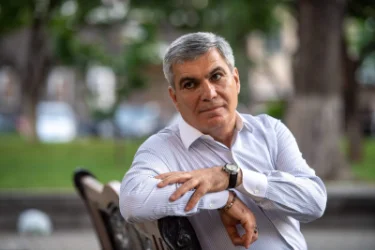
The Armenian Ministry of Defense has developed a certification program for soldiers, which will be followed by a salary increase, allowing multiple issues to be resolved simultaneously: ensuring normal social conditions for them and raising the level of their knowledge and preparedness. This information was shared by Defense Minister Suren Papikyan during a presentation of a package of changes in front of the National Assembly's Committee on Defense and Security.
The discussion revolves around amendments to the law on “Remuneration of Officials” as well as changes to the law on “Military Service and the Status of Servicepersons.” The idea was presented in the government and approved back in October.
In brief, the proposed package of changes includes the certification of contractors, after which their salaries will be increased. According to the authors of the legislative changes, this will raise the knowledge and skills of military personnel while simultaneously addressing their social issues. Ultimately, the aim is to achieve a modern army with well-paid servicemen.
According to the Minister, the certification will initially be voluntary, but servicemen who successfully pass it will be required to undergo the process again after three years. This is designed to keep soldiers in “good shape.”
The minister noted that if a regular contract soldier who is not on combat duty currently receives an average of 155,000 drams (about $390) per month, while a soldier on combat duty receives about 200,000 drams, following certification, the former will receive approximately 215,000 drams as a “net” salary, meaning after taxes, and the latter will earn up to 300,000 drams.
Over the course of three years, exactly this amount has been allocated for comprehensive reform; the government will spend 66 billion drams or about $165 million. Thus, it amounts to just over 20 billion drams annually.
If a soldier fails the certification the first time, they will have the opportunity to retake it within a year. Three committees will be formed for the certification: one by the Minister of Defense, one by the General Staff, and another by the corps. In the Minister's committee, senior and higher-ranking officers will undergo certification, while officers in the middle ranks will take examinations in the General Staff committee; junior officers and privates will go through the corps committee. When necessary, they may involve employees from other state institutions to ensure the quality of certification and objectivity.
During the meeting, committee members emphasized that the proposed changes would contribute to solving the raised issue: stimulating a continuous improvement of knowledge among military personnel and ensuring decent salaries. “The certification process will undoubtedly advance our army. The committee will also be actively involved. We cannot remain indifferent,” said committee head Andranik Kocharyan.
According to him, a soldier standing on the front line with a weapon should be confident that his family is provided with everything necessary. Expert Artur Hovhannisyan pointed out that the decision has been a long time coming. He hopes that the reform will allow for improving the quality of the armed forces and put an end to the practice of conscripting everyone without regard to their moral and intellectual qualities. He believes that in the future, the certification program could also include knowledge of foreign languages, as language proficiency is one of the best ways to familiarize officers with contemporary trends in military arts.
Նմանատիպ հոդվածներ
Why the Enemy in Jermuk Wasn't Captured: The Chief of the General Staff Responds
Enemy Attempts to Disrupt Engineering Works with Gunfire, Chief of General Staff
New details emerge in the brutal murder case in Pemzashen: Another person is searched for
Urban Non-Working Mothers to Receive 31,600 Dram Monthly
Ավելին Society բաժնից

Իրանցի երգչուհին դատապարտվել է 74 մտրшկի հարվшծի՝ առանց հիջաբի երգելու համար

Ֆրանսիայում ավիավթարից զոհվել է Ubisoft-ի համահիմնադիր Կլոդ Գիյոմոն
Փրկարարները հեռացրել են երթևեկելի հատվածի քարերը․ ճանապարհը դարձել է երկկողմանի երթևեկելի