Baku Realizes November 9 Declaration Has No Force, Legal Power Needed: 'Hraparak'
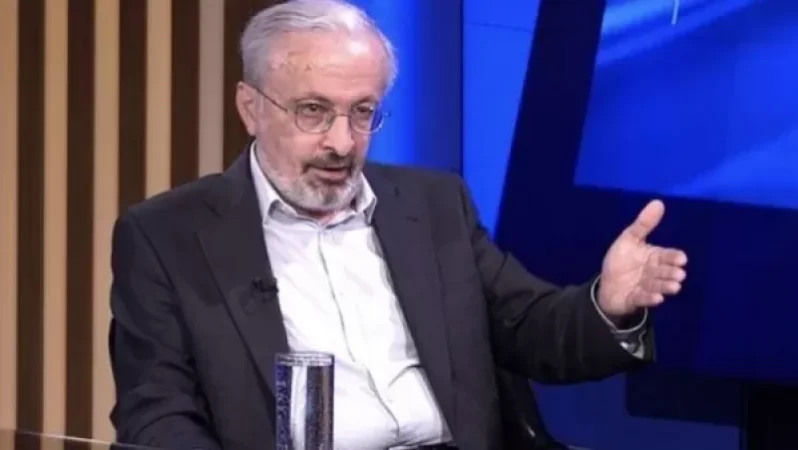
Doctor of Political Science and former National Assembly President Tigran Torosyan is the interlocutor of ‘Hraparak’. Nikol Pashinyan held several meetings in Prague; he met with the President of Turkey, and the Aliyev-Macron-Michel-Pashinyan quadrilateral statement was circulated. What were the subjects of these meetings? Did they open ‘new territories for Armenia’s advancement,' as Pashinyan stated before heading to Prague, or did he go to sign another capitulation, as the opposition claims?
The Erdogan-Pashinyan meeting in Prague was one of those ‘corridor’ meetings that occur without an agenda or results, during which various officials make meaningless, grand statements purely to have their names mentioned in the media once again. The value and significance of any meeting are evaluated not based on groundless statements but on substantial results regarding the format of the meeting, the status of the participants, and the legal and political significance and content of the accepted documents. As for the quadrilateral meeting, it had no status because the ‘mediators’ Emmanuel Macron and Charles Michel had no authority or obligation and acted as individuals. The former's meaningless and unserious initiatives have already become a tradition, while the latter has no role in international relations by virtue of his office. Moreover, they are not authorized by any organization and have no influence on any process, nor do they possess any serious experience or knowledge in organizing negotiations. The accepted statement has no legal value; it is meaningless paper.
In terms of political significance, three formulations can be distinguished. The first is the following: 'Armenia and Azerbaijan recognize each other’s territorial integrity and sovereignty'; the second, 'Armenia expressed its agreement to facilitate the EU's civilian mission along the border with Azerbaijan. Azerbaijan agreed to cooperate with this mission to the extent it is concerned'; The meaning of ‘civilian mission’ is unclear, as there is no such concept in international relations—what should its authorities and goals be, and so on? Therefore, that record is meaningless. However, it should also be noted that Azerbaijan demanded to record that it will determine how much it will engage with this, meaning it has not invited them and will engage when it deems necessary.
Regarding the first formulation, it should be reminded that according to the UN Charter, by signing it upon membership, both countries acknowledged that they recognize each other and the territorial integrity and sovereignty of other member countries. Thus, nothing new is being recorded, and only indirect political consequences of that statement can be discussed. These are several.
A. It is easy to notice that due to the ignorance of Armenia's current authorities, a serious attitude towards Armenia has developed in international relations, and their ‘results’ manifest at the minimum level with statements lacking legal force. Pashinyan has not only started from zero, as he claimed, but has also reduced Armenia's international role to zero.
B. Before the regime change in 2018, communications with Azerbaijan were conducted within the framework of a professional negotiation mission led by the three permanent members of the UN Security Council—the Minsk Group with the OSCE mandate, namely Russia, the USA, and France’s representatives; today they consist of two individuals with no authority.
C. In the photographs from the meeting, it is clearly visible that the Armenian representatives are seated with absent expressions, indifferent to the occurring events. This is evidenced by the fact that the statement records that allegedly Azerbaijan recognizes Armenia's territorial integrity; however, it is not recorded that Azerbaijan must immediately withdraw its armed formations from the territory of the Republic of Armenia. Without this record, signing the statement means accepting the latest humiliation of Armenia’s current authorities by Aliyev.
D. Not the least important, but a significant aspect of the statement is the registration that the next meeting of the delimitation commissions will take place in Brussels. This is an obvious attempt to push Russia out of the process, to which Armenia has agreed. Armenian representatives have become Aliyev's miserable subordinates. This is also confirmed by the statement released by Armenia's foreign ministry the day after the meeting, which stated that Azerbaijan does not wish to discuss issues related to Artsakh with Armenia. After four years of leading the country, they still do not understand that Armenia's partner regarding Artsakh should be international organizations, not Azerbaijan. The result is again zero.
These are the results of ignorance, primitive sorcery, and scheming. Expect the next as the so-called 'peace agreement.' Your opinion—does this document really guarantee peace? How can we establish real peace in the region without resorting to shameful, irretrievable concessions? Do you agree with Ter-Petrosyan, who says whoever comes will have to sign and in delaying we will end up approving a worse document later? No document can guarantee peace. Such an idea can either have an irreparable romantic or be a pure hypocrite. For any state, the guarantee of peace can only be a military with proven superiority against its enemies and a politically mature state both in domestic and foreign arenas. If, by the region, you mean the South Caucasus, then today Armenia has no influence on regional processes, and it is unnecessary to speak of establishing peace in the region and our country's role in it.
Regarding the articulation of the first president, which you mentioned, the issue is not whether to sign or not but the content of the document. Moreover, it is very easy to prove that whether the document is 'bad' or 'good' depends not on signing it sooner or later but on its content, and therefore, the knowledge, experience, and work of those working on the document. Let me remind you, in 1997-98, there was a document on the negotiation table, and in 2019, there was an entirely different one. Today, in 2022, there will be a completely different one. Moreover, this last one will have nothing to do with establishing peace. Aliyev will continue to present his shameless demands that know no borders and gradually achieve their realization as long as this government remains in Armenia. Baku is interested in signing the contract because it has realized the simple truth that the November 9 statement has no legal force, and all its gains based on it are illegal, and when a legitimate, competent government that defends Armenia's interests is established in Armenia, it will announce that. Therefore, it really needs a document with legal force that would legitimize the results of this government’s continued capitulation. Essentially, it is preparing not for peace but for a document legitimizing the results of capitulation.
Նմանատիպ հոդվածներ
Ավելին Politics բաժնից
Կարևոր ուղերձ՝ ՌԴ–ՀՀ հարաբերությունների ֆոնին
ՌԴ-ն պնդում է` ամերիկյան միջուկային զենքը պետք է դուրս բերվի Եվրոպայից
Վերահաշվարկից հետո կուսակցությունների ձայների հաշվեկշռում փոփոխություններ են արձանագրվել